


Top 5 products for Japanese Plum

Latest reviews
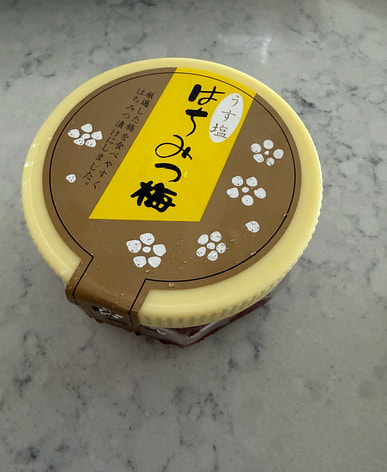 I like sweet plums, so I always keep them on hand.
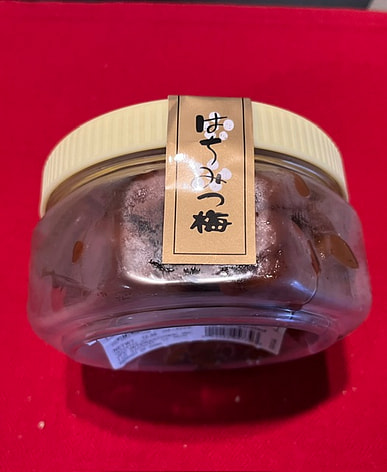 Perfect to add to my jook! (Rice porridge). Addsgreat flavor and very healing
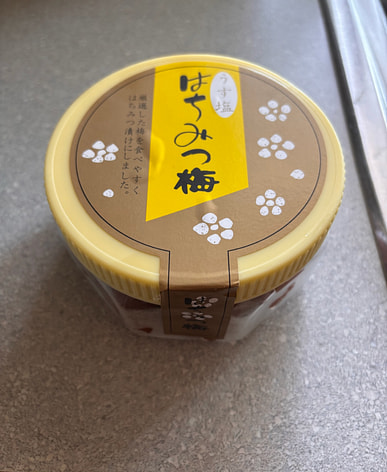 I don't like salty pickled plums, so I'm glad I found these.
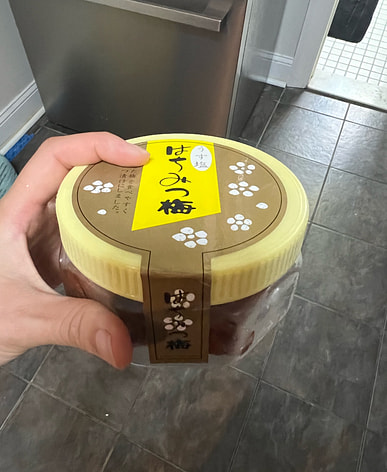 This variety is delicious!
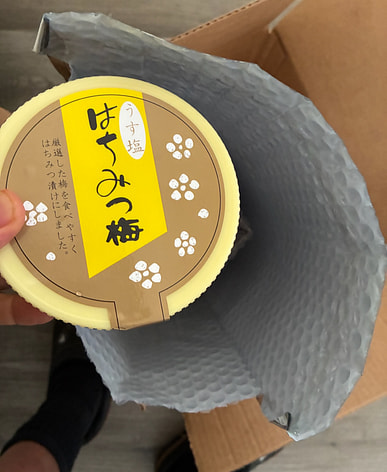 Just perfect!!!Thank you!!! Weee!!
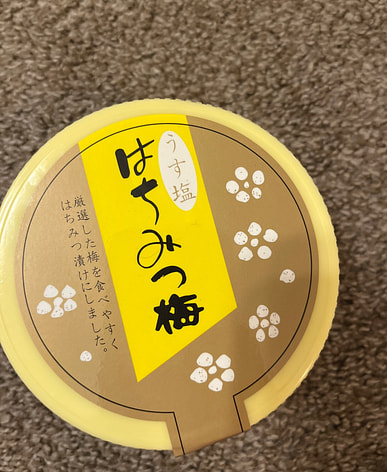 The taste isn't much different from shiso, but I prefer this one because I like the milder flavor.
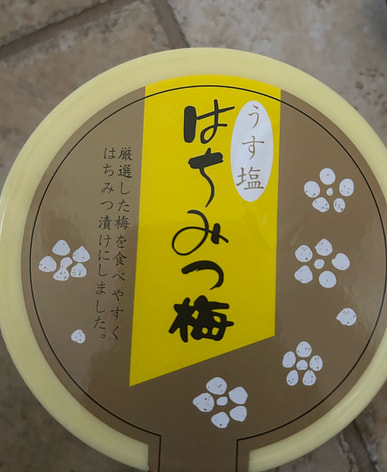 My favorite umeboshi. I like to make rice balls putting umeboshi inside. I’m eating it everyday. Soon, it will run out.
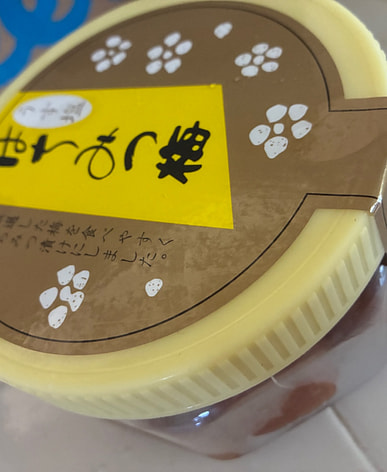 I always buy it here because it's not always available at the Nikkei Market I usually go to.
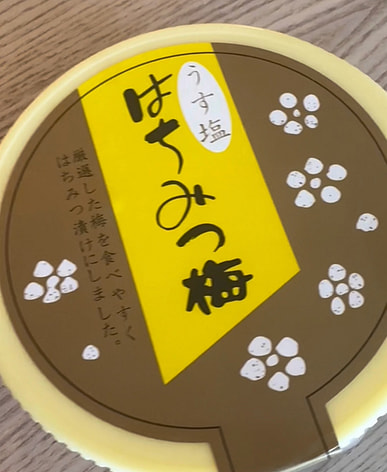 sour and sweet
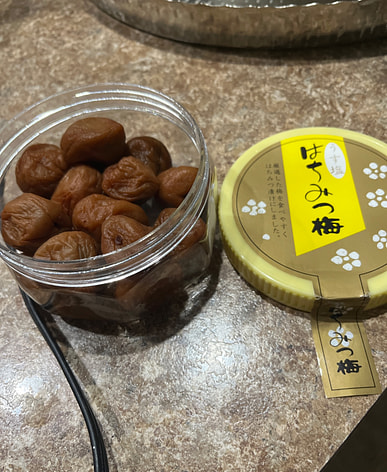 The pieces are big and tasty.
Trending in cities
New York, New York
Brooklyn
San Francisco, California
Las Vegas, Nevada
Chicago, Illinois
Seattle, Washington
Los Angeles
Austin, Texas
San Antonio
San Jose
Houston
Philadelphia, Pennsylvania
Tucson, Arizona
Cambridge, Massachusetts
Long Island City
Jersey City, New Jersey
San Diego
Davis
Oakland
Irvine
Arlington, Virginia
Ann Arbor, Michigan
Portland, Oregon
Dallas
Bronx
Belvedere Tiburon
Orlando, Florida
Princeton


Latest reviews
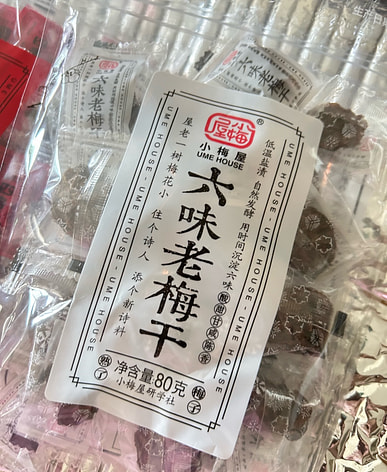 Good times good times (˵ •̀ ᴗ - ˵ )
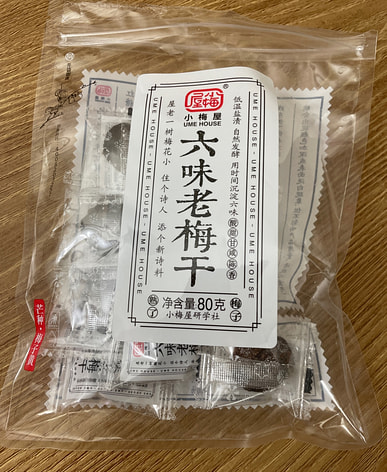 I'm repurchasing it! Although the recipe is sweeter than before, it's still delicious. It's a bit more sour and salty than some other brands, which I personally really like.
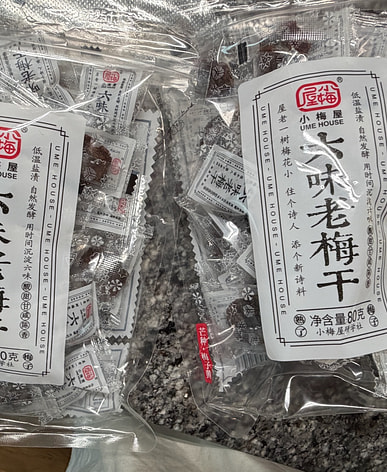 I always keep some preserved plums at home as an appetizer; I eat a couple whenever I feel like it.
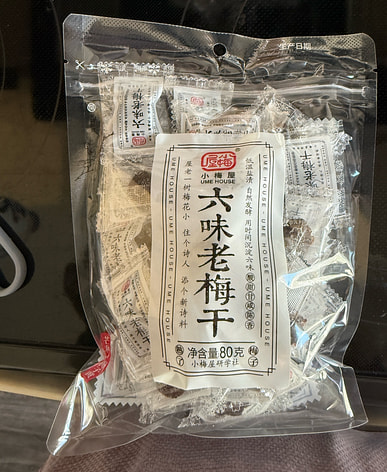 Individually packaged, very convenient, and tastes great!
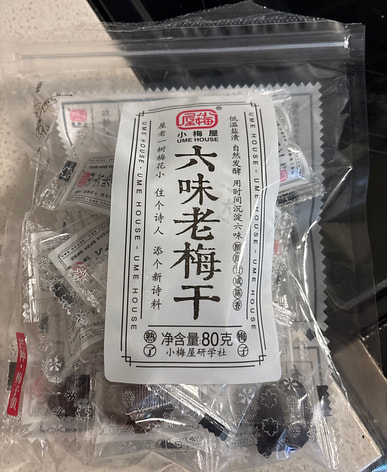 It's good; it leaves your mouth feeling refreshed and has a traditional flavor.
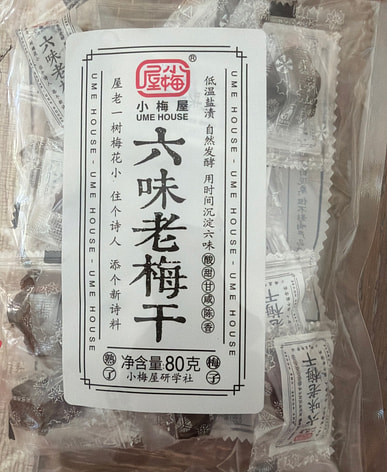 A type of preserved plum that gets better with every bite
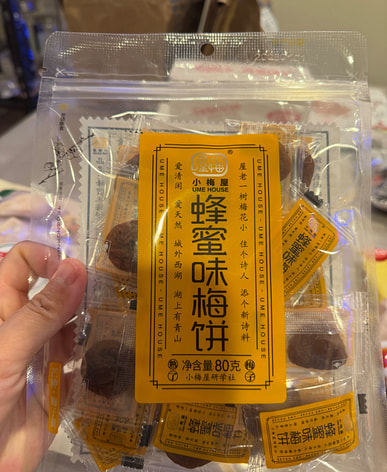 It's sweet and soft, not bad...
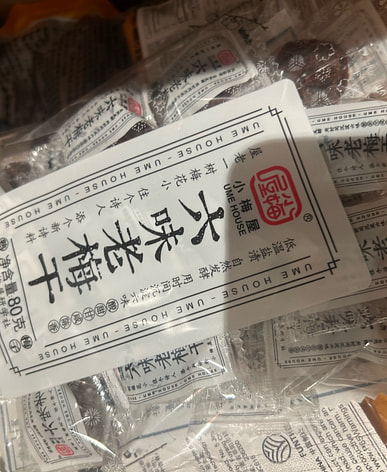 This is really sour!! There's not much meat on it.
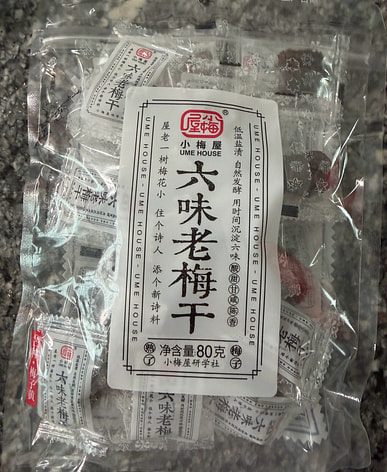 I bought a bag since I still had some stock at home. There were 27 in the bag.
Trending in cities
Claremont, California
Santa Clara
Fremont
Sacramento
Palo Alto
Boston, Massachusetts
San Mateo
Berkeley
Allston
Richmond, Texas
Arlington
Sunnyvale
Bellevue, Washington
Baltimore, Maryland
Dublin
Westford
San Ramon
Pearland
Framingham
Montebello
Gaithersburg
Miami, Florida
Shrewsbury
Gainesville, Virginia
Temple Hills
Lexington
Pacifica
Everett
Harrison, New Jersey

Latest reviews
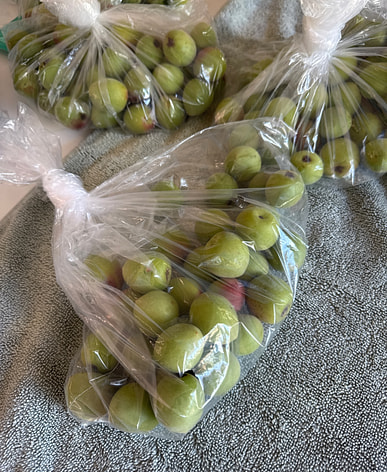 I bought six pounds at a great price; they're very fresh, perfect for making plum wine.
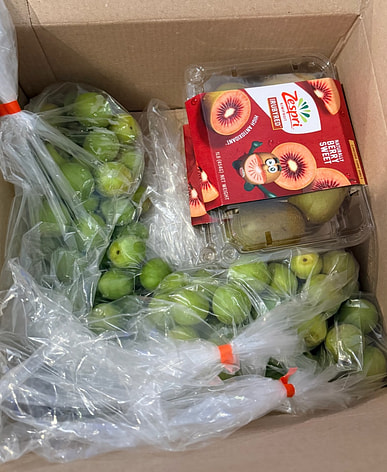 I made cheong (Korean syrup) to pair with my ginger bug. I used my sauerkraut maker. Now just wait 6 months.
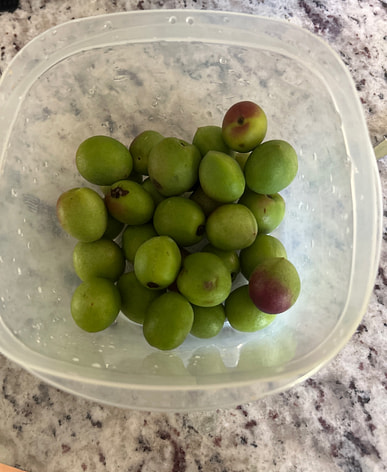 Bought this out of curiosity.
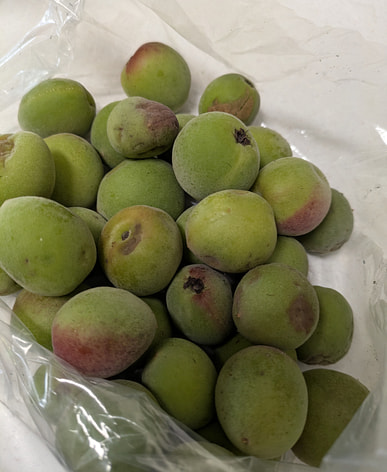 I bought a pound of plums to make plum wine. There were a few that were slightly blemished or lacked shine, but overall they were of good quality.
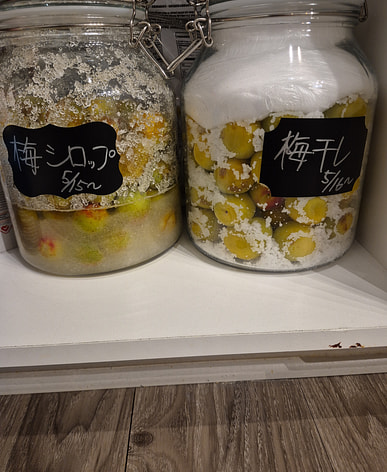 Success!!!!!!!!!!!!!
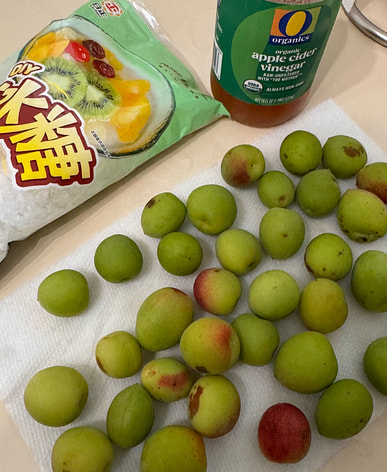 I made plum syrup, even though it's on the smaller side. I can't wait to drink it!
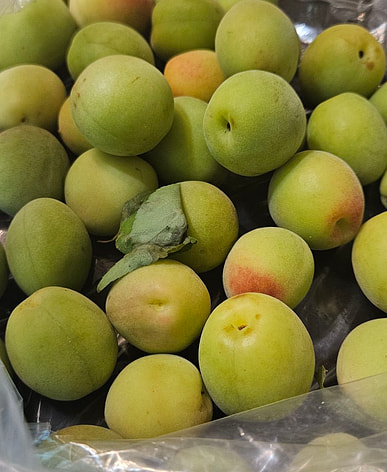 I received some small but healthy green plums. I plan to let them ripen in a cool place and then make plum syrup! I'm looking forward to it.
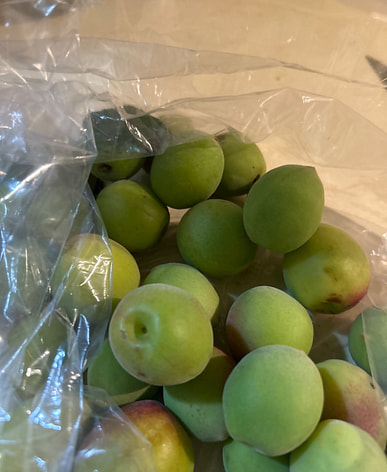 Last time almost a year ago bought big ones. These are small. Can’t wait to make spicy pickles
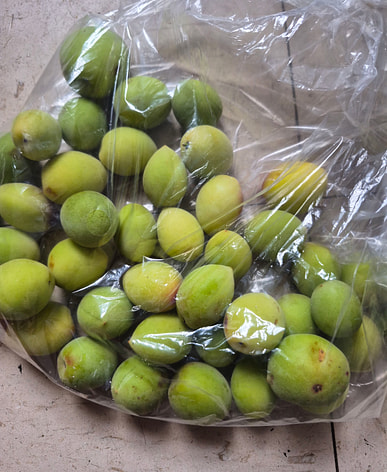 It was really small. I thought it would be bigger.
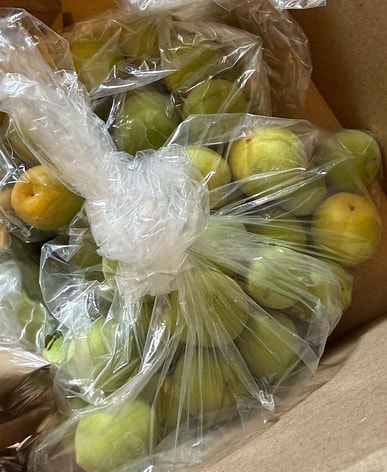 There were some yellow ones mixed in, but I received beautiful green plums! I made plum wine last year and it was delicious, so I'm looking forward to it again this year. I really appreciate that they sell things that are hard to find in my neighborhood!
Trending in cities
Claremont, California
Santa Clara
Fremont
Sacramento
Palo Alto
Boston, Massachusetts
San Mateo
Berkeley
Allston
Richmond, Texas
Arlington
Sunnyvale
Bellevue, Washington
Baltimore, Maryland
Dublin
Westford
San Ramon
Pearland
Framingham
Montebello
Gaithersburg
Miami, Florida
Shrewsbury
Gainesville, Virginia
Temple Hills
Lexington
Pacifica
Everett
Harrison, New Jersey

Latest reviews
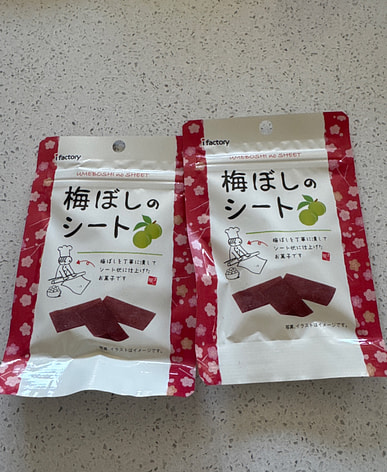 I haven't tried it yet, I'll give a review after I do.
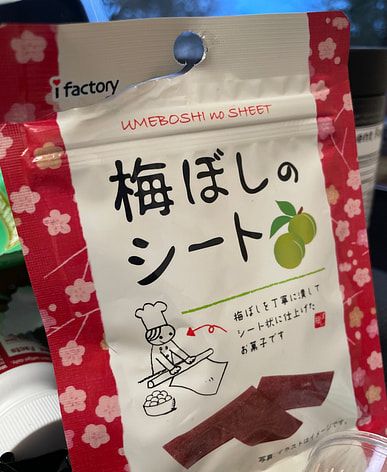 The plum flesh wasn't too sour, which was just right and very delicious.
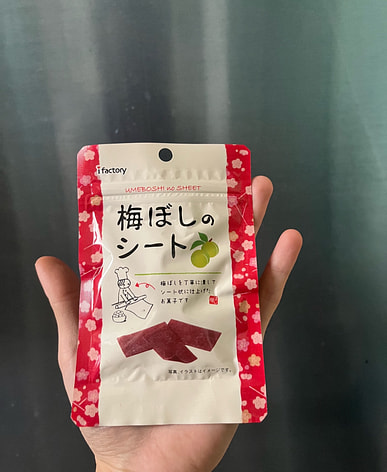 This was my first time buying it. It tasted like the thick plum paste I often buy at convenience stores in Japan, but flattened. It's sweet but has a strong sourness, which I personally like!
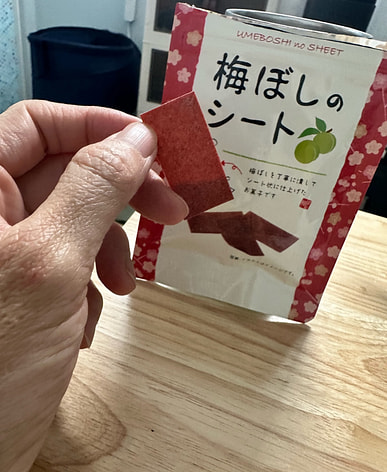 I love dry plum and this is my favorite, good snack and made me refresh. but it a bit price
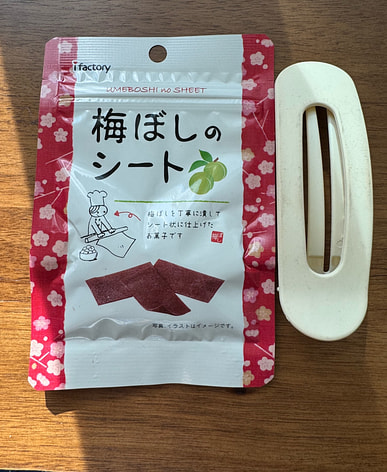 It's a super small pack! Each piece is very thin, but the taste is very authentic salt plum flavor.
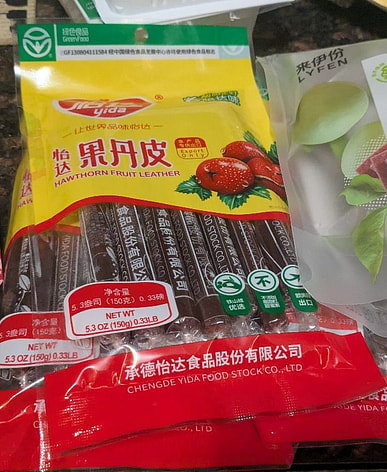 tasty snack
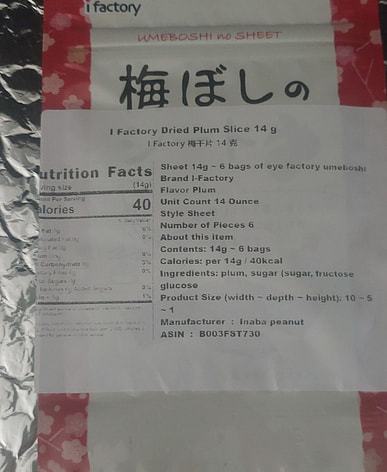 This is my first time buying, hope it tastes good if you review it
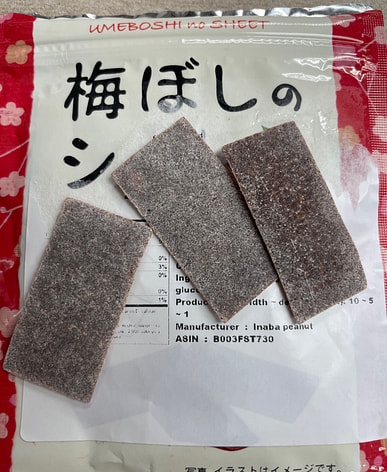 So sour! Delicious! It's full of vitamin C, so I eat it to prevent catching a cold.
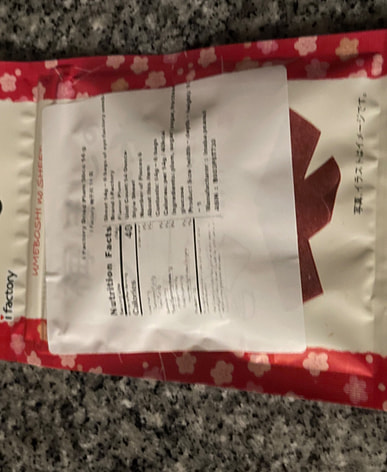 I bought a lot of bags, it's ok, sour
Trending in cities
Claremont, California
Santa Clara
Fremont
Sacramento
Palo Alto
Boston, Massachusetts
San Mateo
Berkeley
Allston
Richmond, Texas
Arlington
Sunnyvale
Bellevue, Washington
Baltimore, Maryland
Dublin
Westford
San Ramon
Pearland
Framingham
Montebello
Gaithersburg
Miami, Florida
Shrewsbury
Gainesville, Virginia
Temple Hills
Lexington
Pacifica
Everett
Harrison, New Jersey

Latest reviews
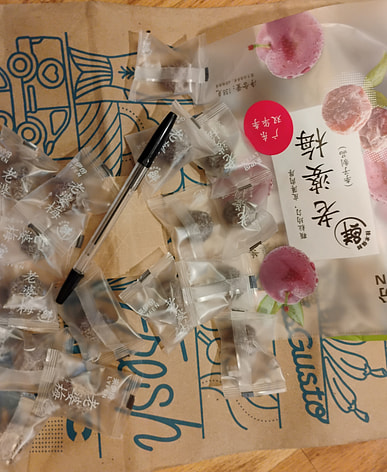 18 pieces, not very soft, sweet, not very sour.
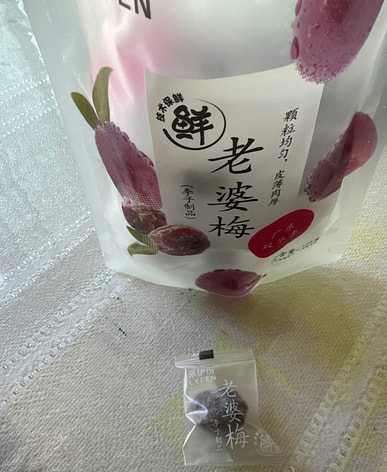 It was quite delicious; everything was great except for the name.
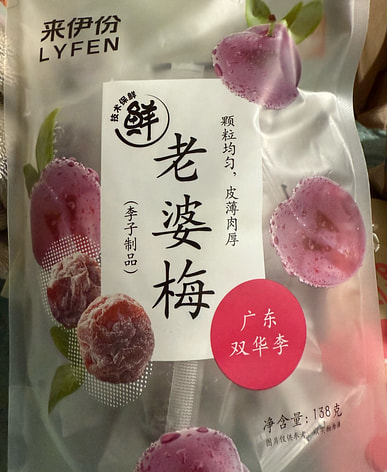 Woooow I really liked them.
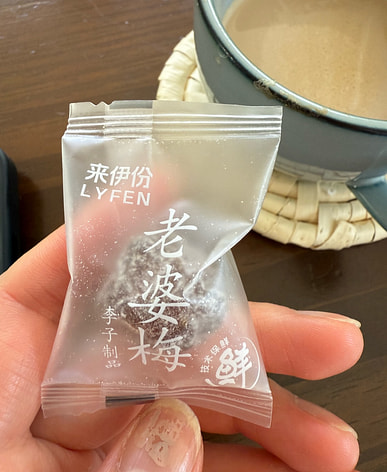 The taste is a bit like Korean plum.
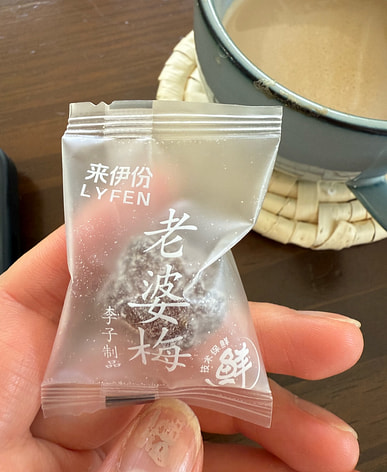 There are only a few plums in a pack, so they feel quite hygienic.
 Mellow taste, slightly sweet and not very sour. Will order again.
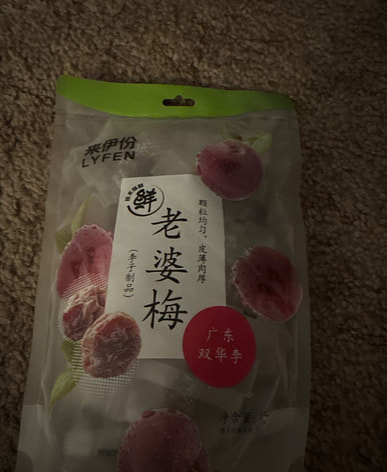 Repurchase………………………………
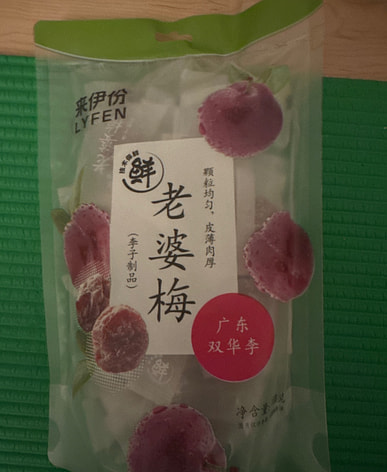 tasty………………………………………
 Haven’t tried yet. I bought it based on the brand.
 It’s okay, 14 pieces per pack
Trending in cities
Claremont, California
Santa Clara
Fremont
Sacramento
Palo Alto
Boston, Massachusetts
San Mateo
Berkeley
Allston
Richmond, Texas
Arlington
Sunnyvale
Bellevue, Washington
Baltimore, Maryland
Dublin
Westford
San Ramon
Pearland
Framingham
Montebello
Gaithersburg
Miami, Florida
Shrewsbury
Gainesville, Virginia
Temple Hills
Lexington
Pacifica
Everett
Harrison, New Jersey
Asian groceries delivered to your door
Weee! serves the major metropolitan areas across the United States as a trusted Asian online grocery store, bringing together products and ingredients from Chinese, Japanese, Korean, Vietnamese, Thai, Filipino, and Indian supermarkets. Shop everyday essentials including dairy, vegetables, fruits, and fresh produce, along with frozen meats and seafood, carefully packed with dry ice and offered in traditional cuts and formats familiar to Asian households. Now accepting EBT/SNAP at checkout in the largest U.S. cities. Buying Asian groceries online has never been easier or more reliable.
Top products for japanese plum
- $6.99 - $8.49iida Umeboshi Hachimitsu Pickled Plums 10.58 oz 100+ Sold weekly
- $3.49 - $4.79Ume House Dried Plum 80 g 400+ Sold weekly
- $7.99 - $16.99Japanese Ume Plums 1 lb
- $2.29 - $3.29I Factory Dried Plum Slice
- $3.79 - $5.29LYFEN Sweet Plum
 $6.99 - $8.49iida Umeboshi Shiso Aji (Pickled Plums) 300 g 200+ Sold weekly
More from our Japanese Store bestsellers related to japanese plum


Related products for japanese plum
 $3.49 - $4.79LYFEN Preserved Plum Flakes 100+ Sold weekly
 $4.29 - $5.79TenWow Salted Preserved Plum 50+ Sold weekly
 $3.29/ea for 2+$3.79 for 1 qtyLYFEN Plum Milk Flavor 200+ Sold weekly
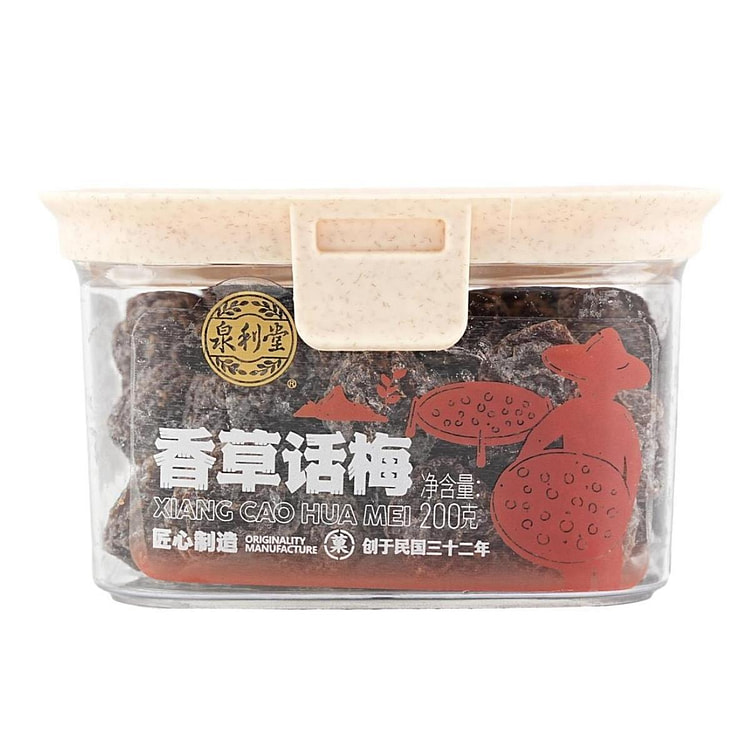 5% off$7.78 - $8.19Quanlitang Vanilla Prune 200g
 $2.49 - $3.49Farmers Grange Dried Bayberry 98 g 100+ Sold weekly
 $2.49/ea for 2+$2.99 for 1 qtyFarmers Grange Sweet Preserved Dried Plum 300+ Sold weekly
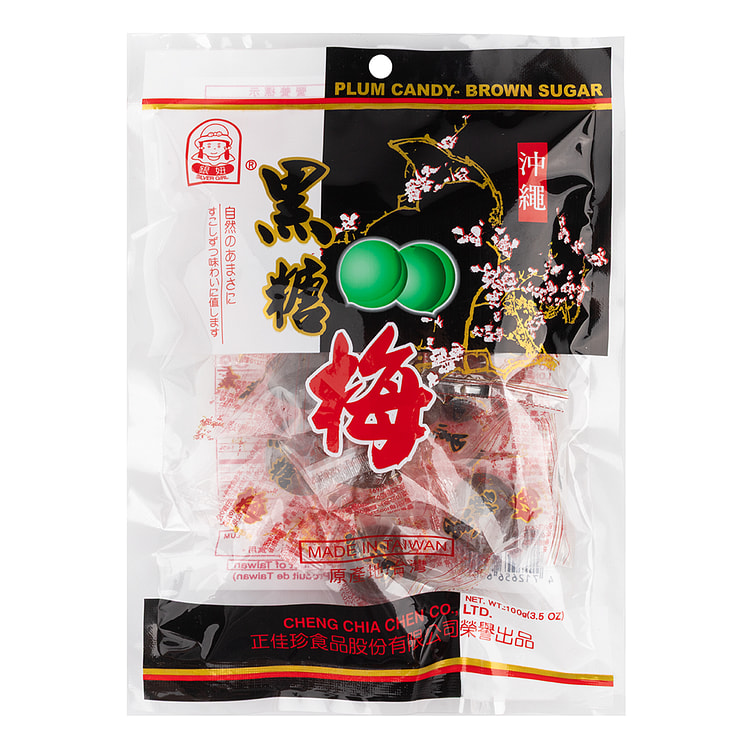 $3.79 - $4.29BROWN PLUM CANDY 100 g
 $1.79/ea for 2+$2.29 for 1 qtyJiabao Preserved Damson Seedless 65 g 200+ Sold weekly
 $3.29/ea for 2+$3.79 for 1 qtyJinguan Brown Sugar Candy with Plum 180 g 200+ Sold weekly
 16% off$11.69 - $13.99Premium Selected Dried Preserved Sour-Sweet Plum 8 oz
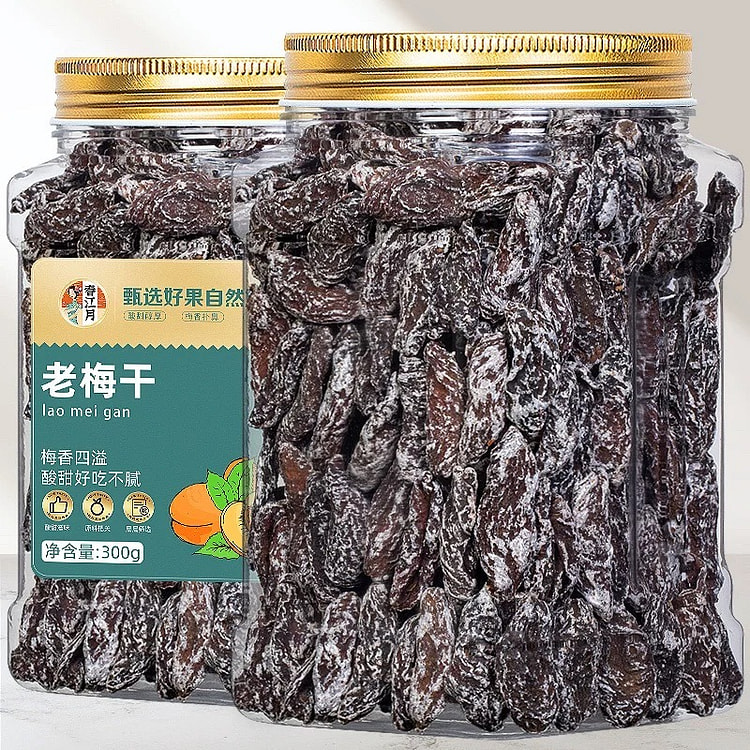 9% off$23.31 - $25.90Lao Meigan leisure snacksShips from DT Global
 $10.99Huamei Seedless Dried Plum Snacks 160gShips from EITO JAPAN
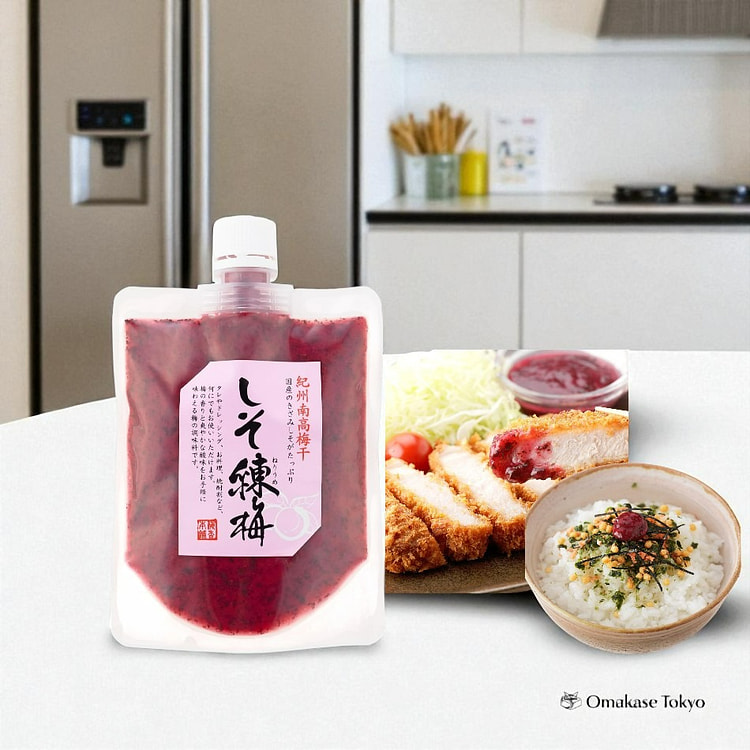 $23.49Kishu Nanko Umeboshi Perilla PlumShips from Omakase Tokyo
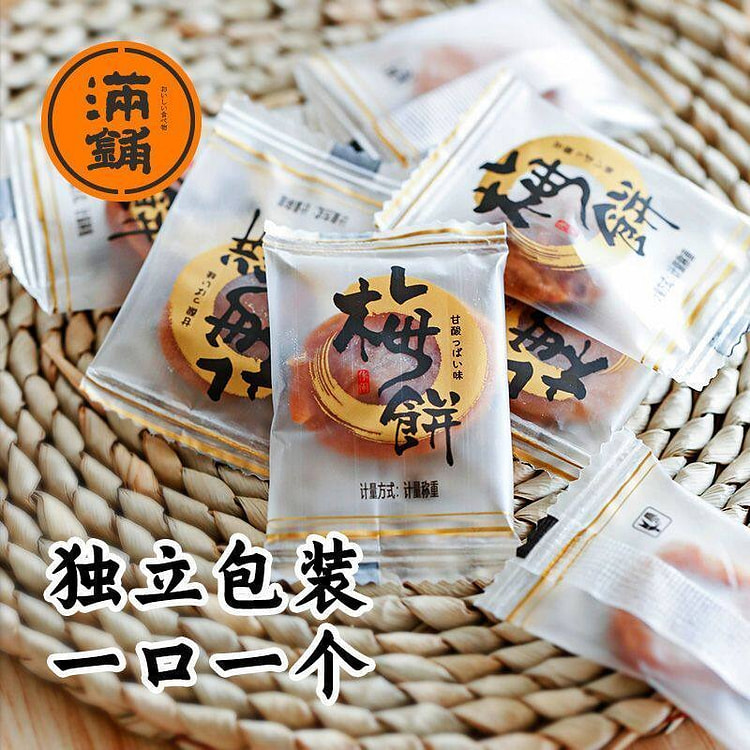 7% off$15.62 - $16.80Japanese plum cake 250 gShips from Long XI
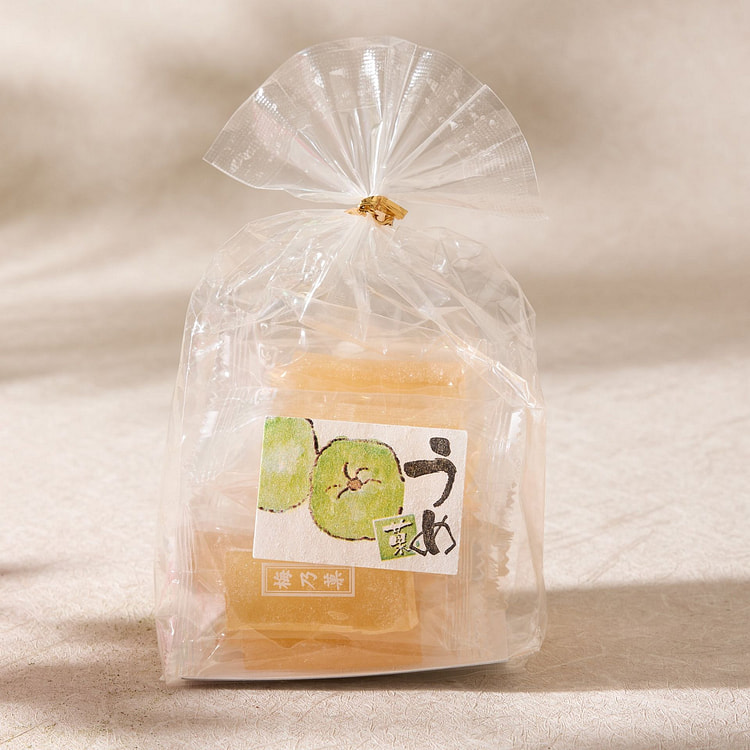 $5.32Japanese Plum Gummy CandyShips from Ichigo
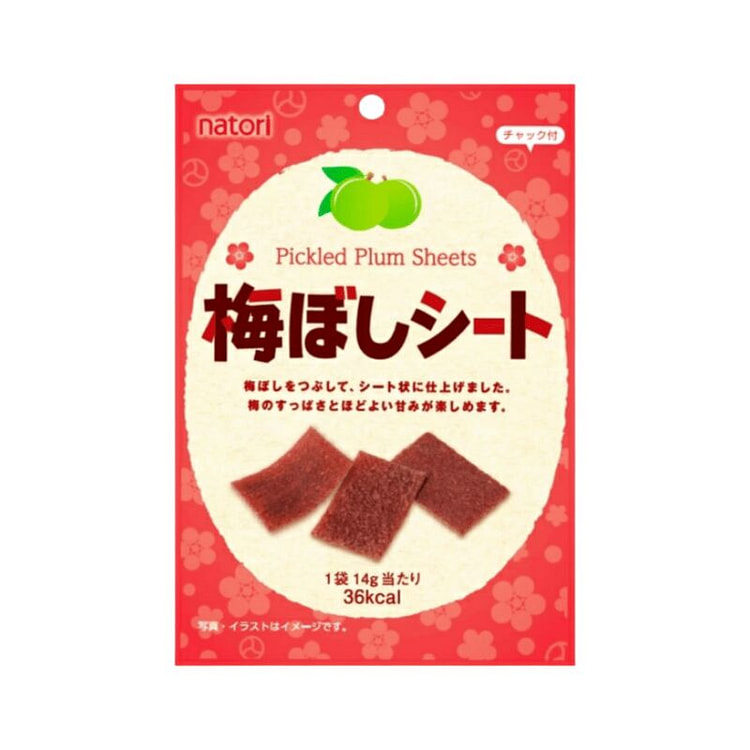 $3.49NATORI Umeboshi Sheet 14gShips from Tao Japan
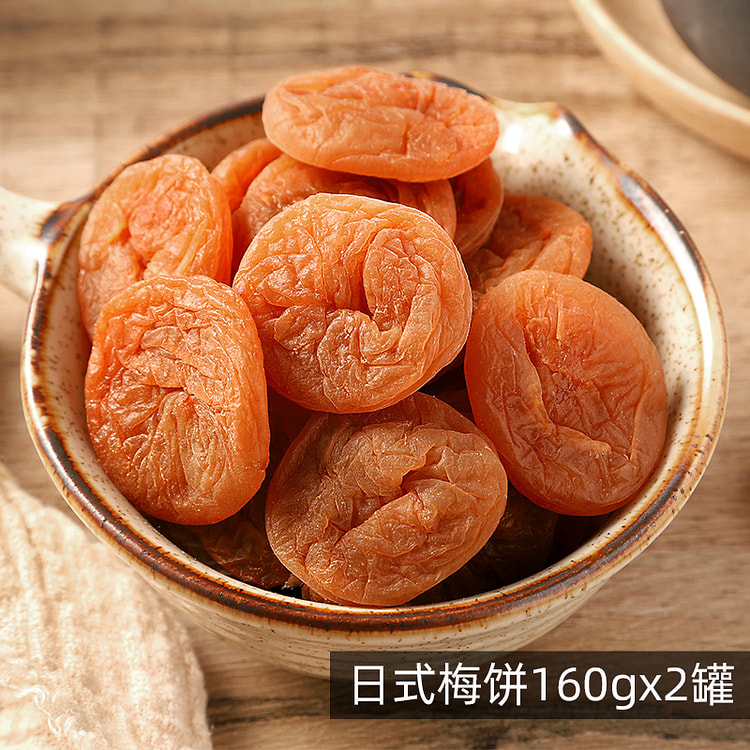 $14.89Japanese plum cake 160g*2 cansShips from Hefeng Mall
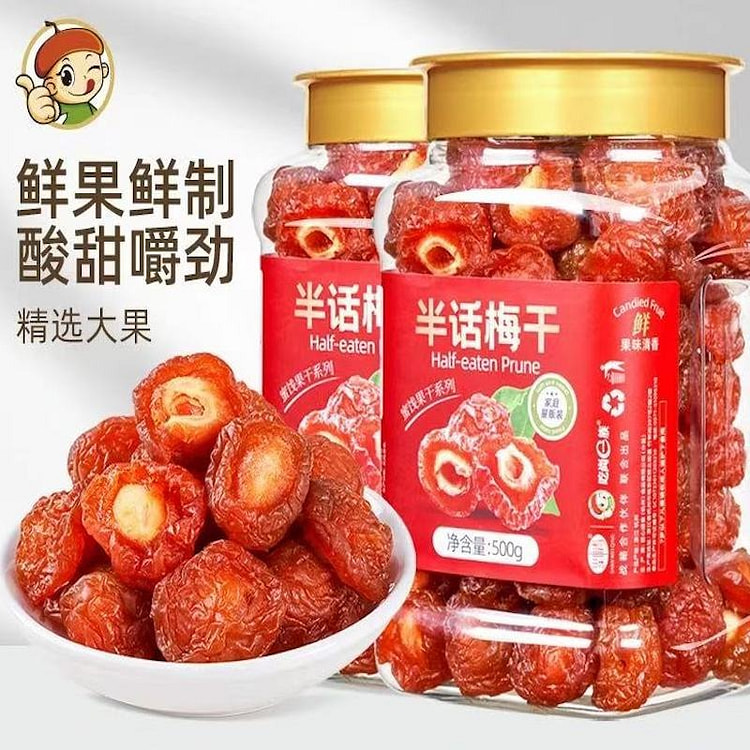 9% off$29.61 - $32.90Eating Shangzu Half Talk Mei GanShips from MissFresh
 $3.99ifactory Umeboshi Plum Sheets 35gShips from EITO JAPAN
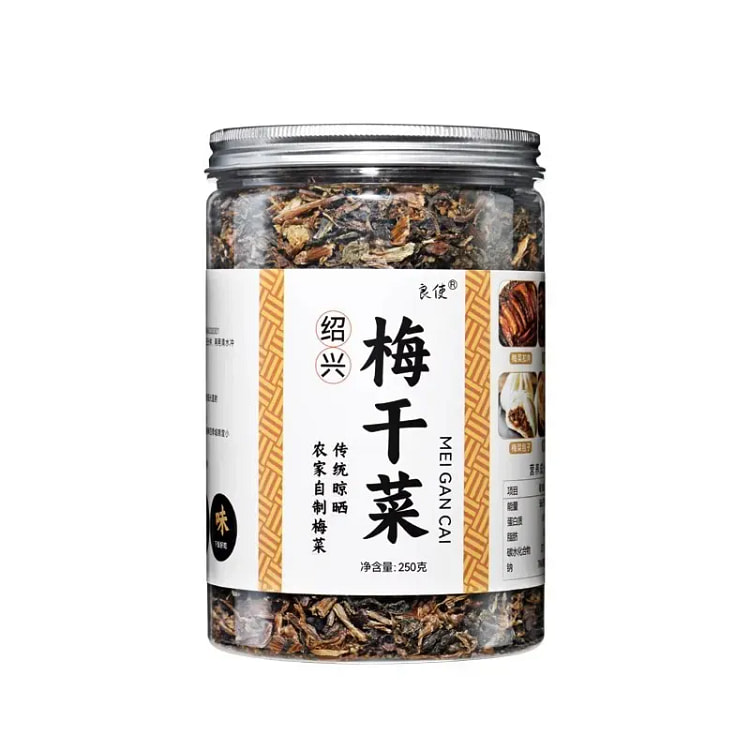 $10.89Dried Preserved Meigan Cabbage 250 gShips from Thumbs up for global purchase
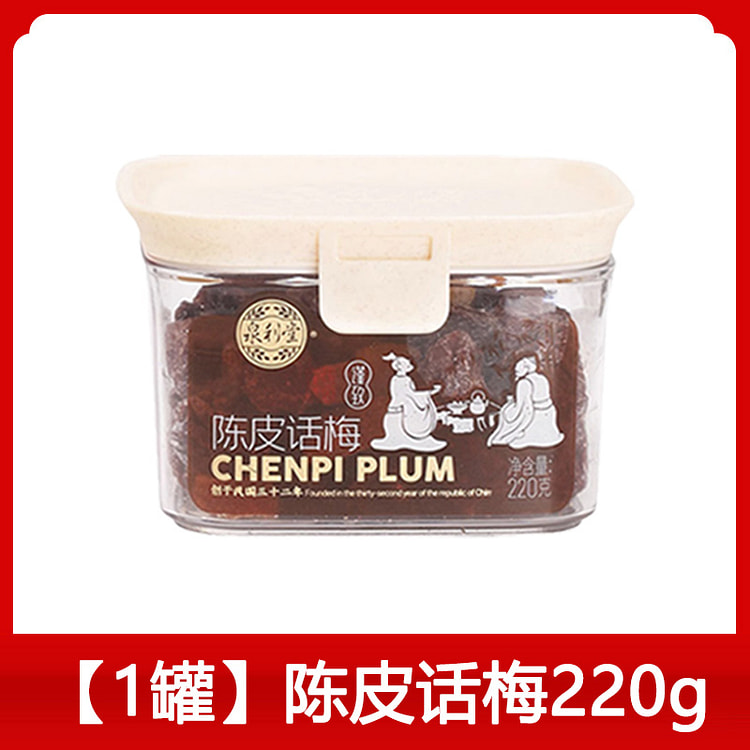 $13.27Quanlitang Chenpi Huamei 220g * 1 cannedShips from A good thing museum
 $3.67ifactory Umeboshi Plum Sheets 35g 1 eachShips from MiauMall
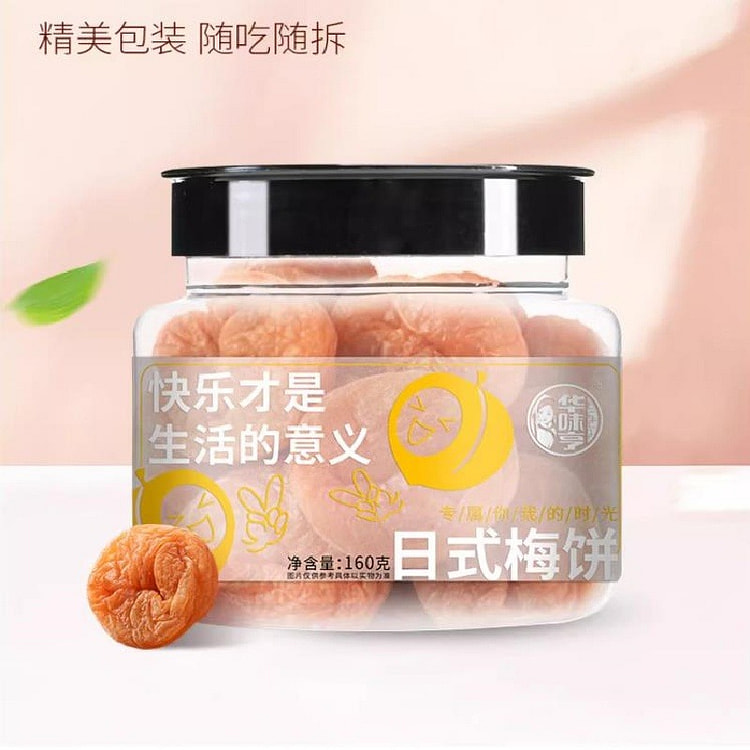 $10.79Plum cake Japanese plum snack, 160g per canShips from Yu Yan shop
 $2.49Nobel Male Plum Super Rich Seedless Umeboshi 20gShips from EITO JAPAN
 10% off$12.42 - $13.80Japanese Plums with Peeled Peel, Japanese Plums, Dried Fruits, SnacksShips from ZW Mall
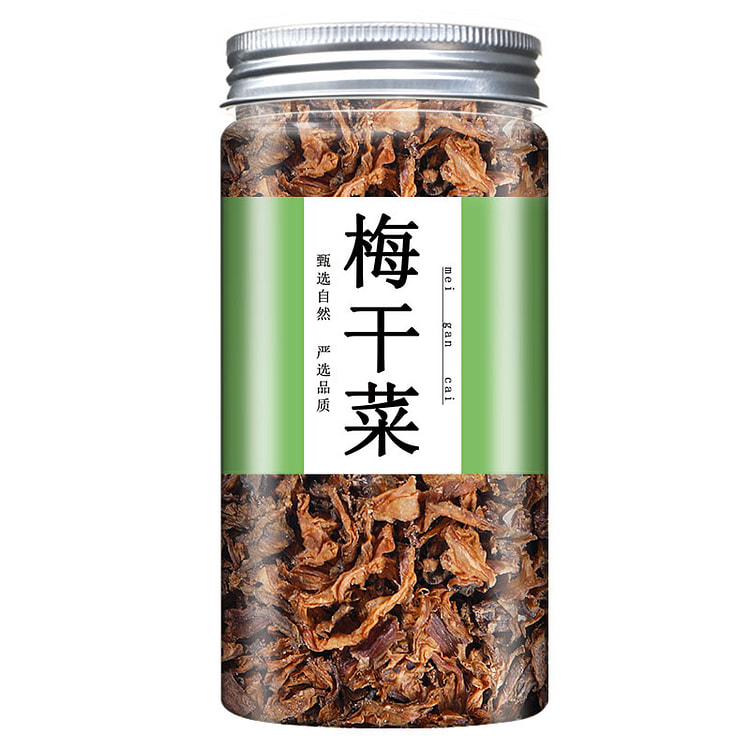 $11.75Meigan cai 250g * 1 canShips from Nochi Mall
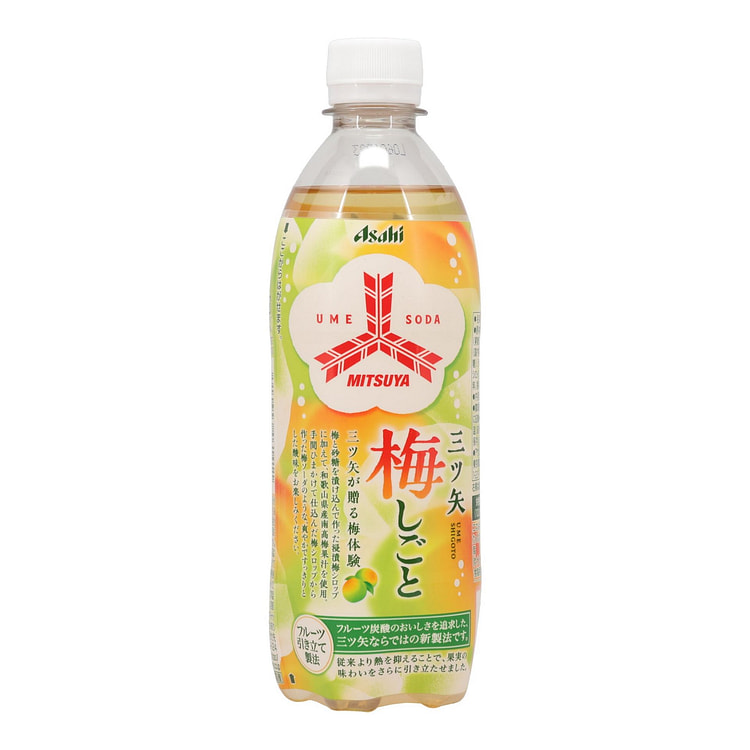 $2.39Mitsuya Cider Japanese PlumShips from Ichigo
 $11.34Shipu high-quality Meigan caiShips from Derun
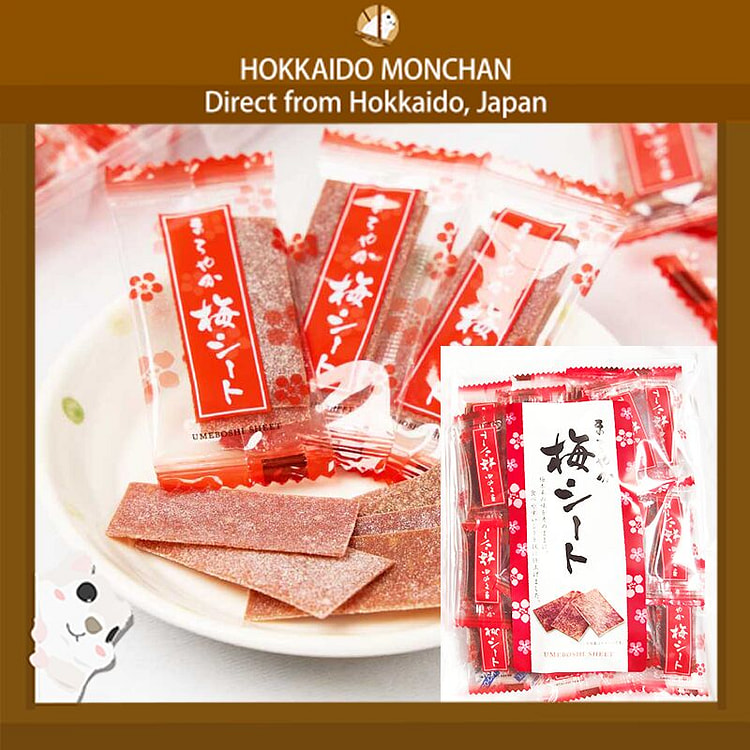 9% off$27.00 - $30.00Japanese Plum Slices 140g 1 eachShips from Hokkaido Monchan
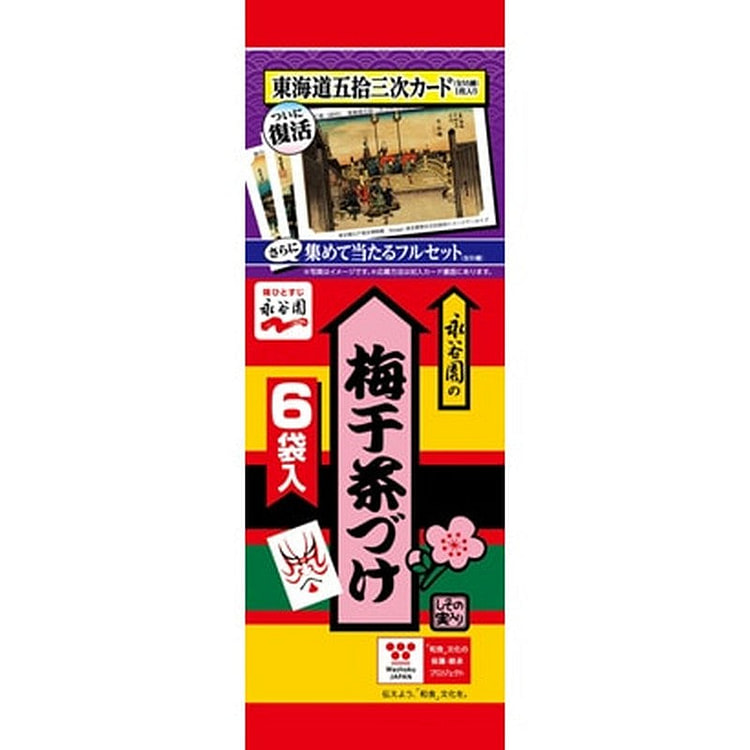 $17.49Nagatanien Umeboshi Chazuke (6 bags)Ships from Mochi Mochi Store
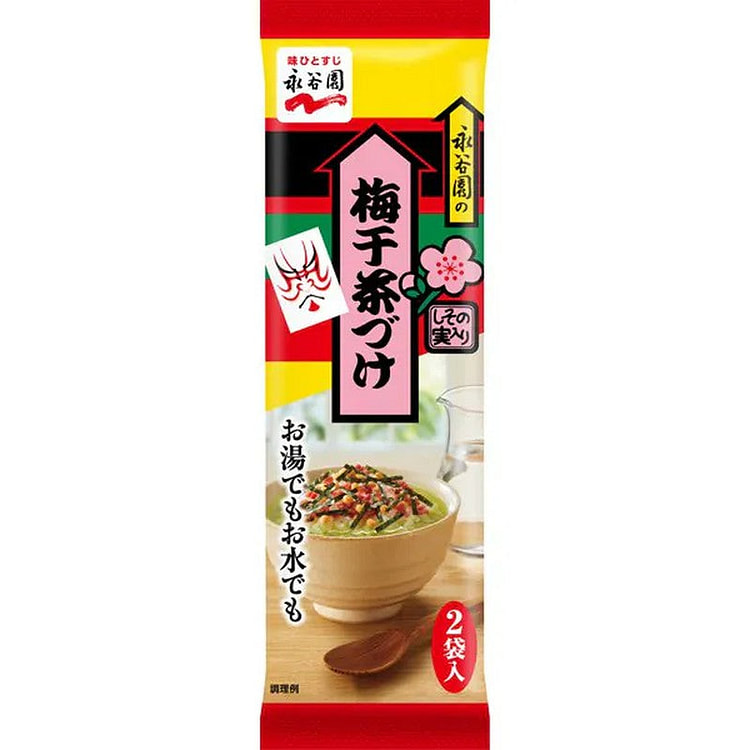 $10.49Nagatanien Umeboshi Chazuke (2 bags)Ships from Mochi Mochi Store
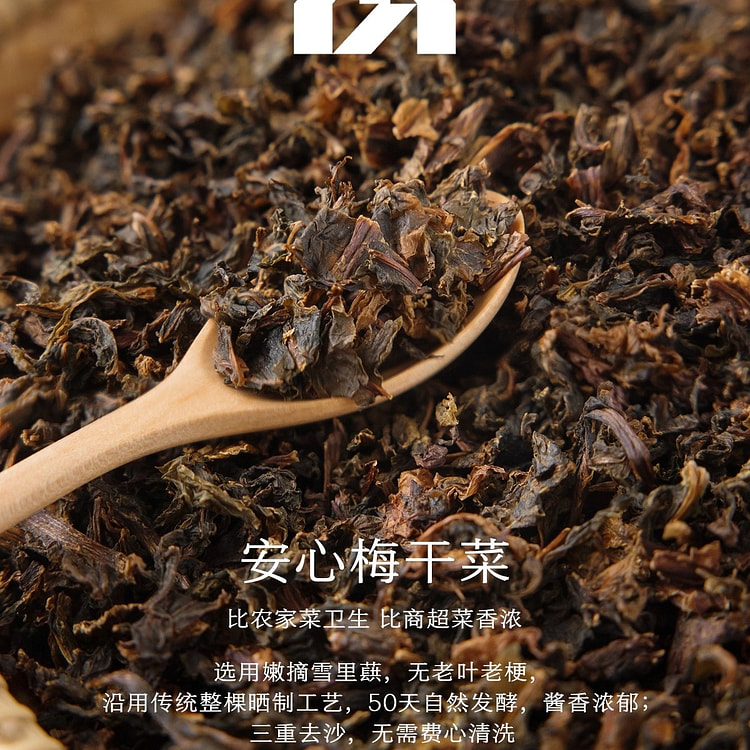 5% off$25.53 - $26.88Nastore Umeboshi vegetables 248gShips from Sishiwei
 $14.99Qiao Suan Hua MeiShips from Lucky Snack
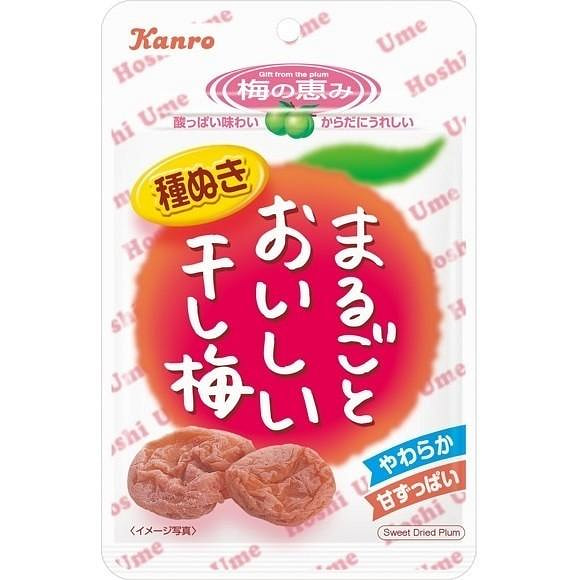 25% off$2.92 - $3.90KANRO Delicious Whole Plum Cake Umeboshi 19gShips from Shinsaibashi Japan
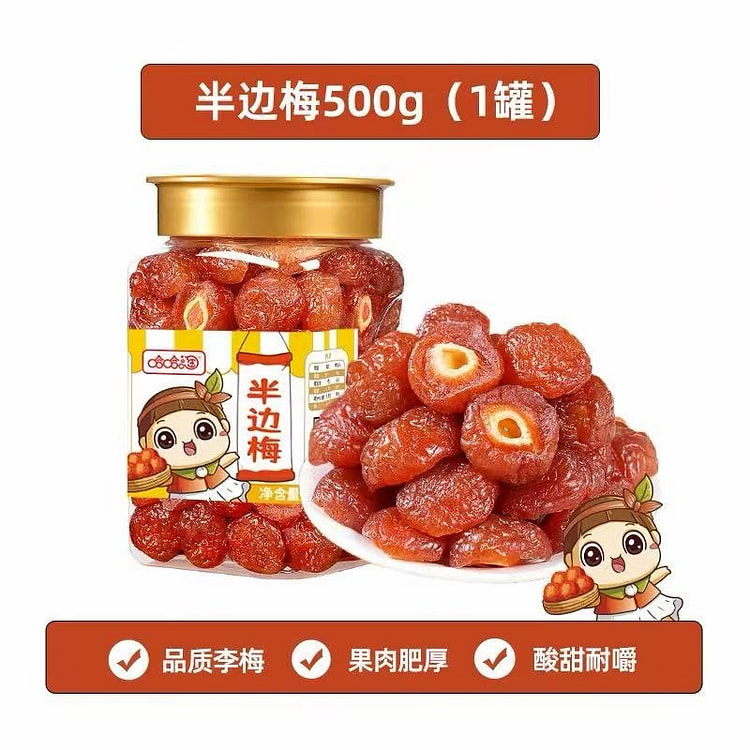 5% off$11.39 - $11.99Haha, Tao Ban Mei Gan 500gShips from Meet you around the corner
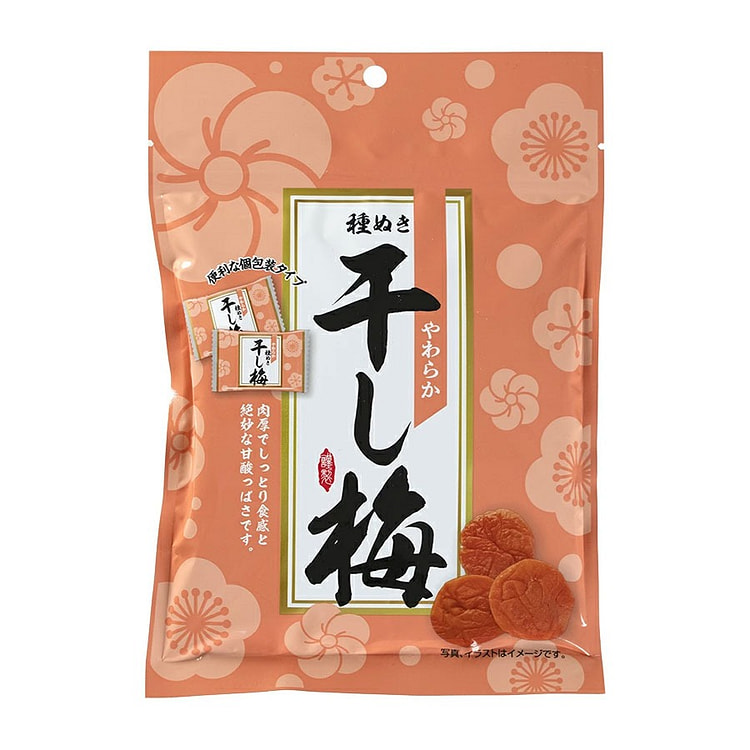 $6.99Seasoned Pitted Umeboshi 50 gShips from Sakura Charm
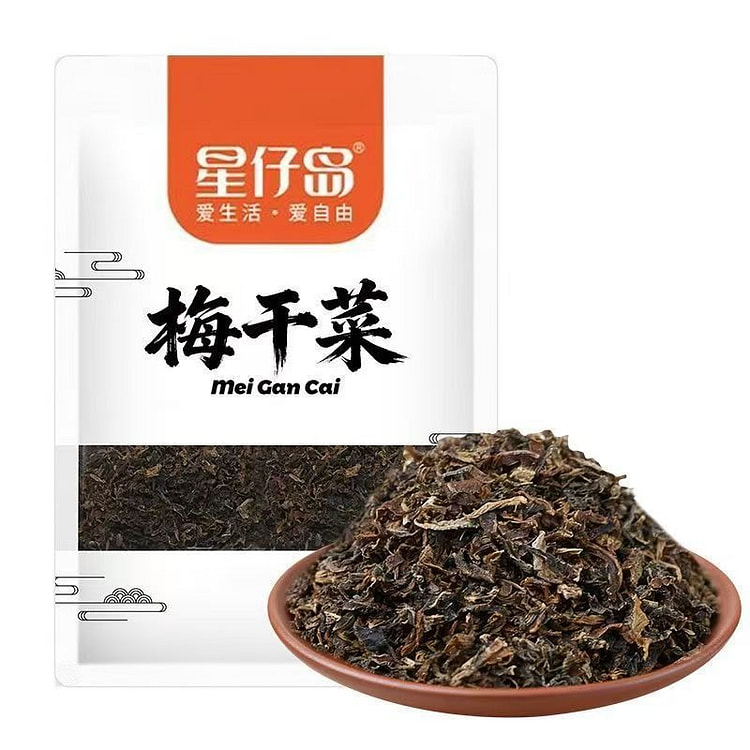 $7.80Xingzai Island Meigan cai 100gShips from Chinese delicious food shop
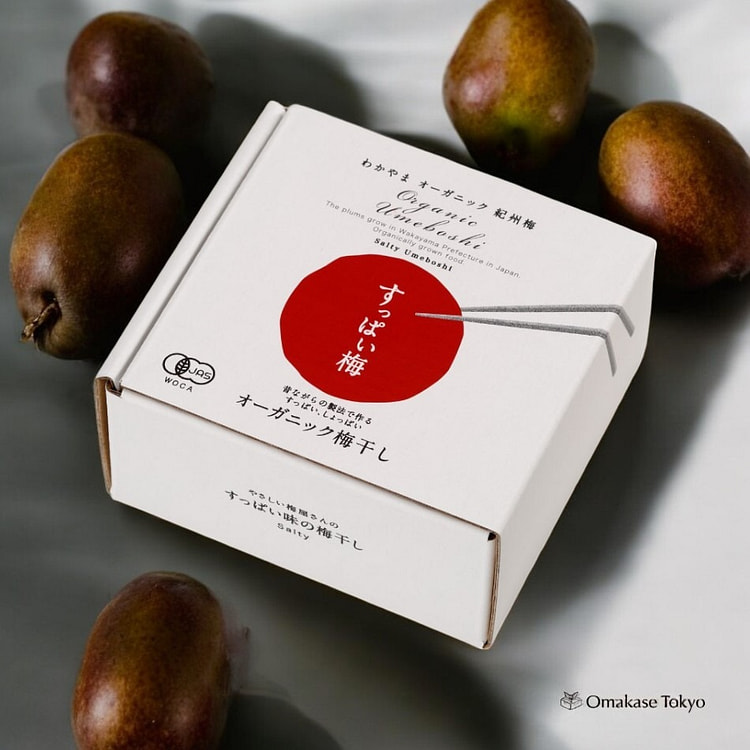 $33.49UMAMI Organic Umeboshi, Sour UmeShips from Omakase Tokyo
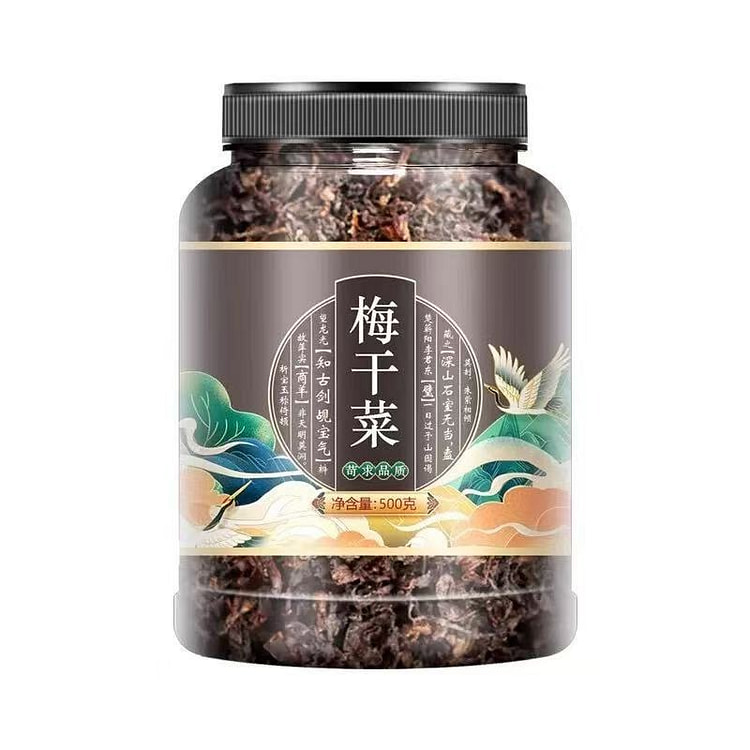 5% off$13.29 - $13.99Gift Hall Meigan cai 500g * 1 canShips from Aigao convenience store
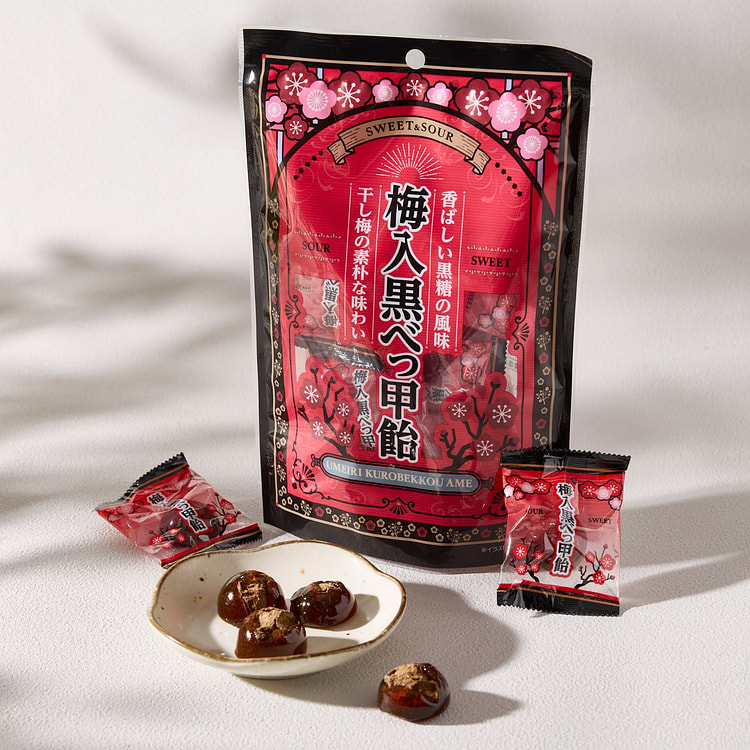 $5.32Japanese Plum & Brown Sugar CandyShips from Ichigo














 Customer since 2018
 Phoenix, AZCustomer since 2020Connecticut, CTCustomer since 2023Washington DCCustomer since 2020Los Angeles, CA
Frequently asked questions
What is a Japanese plum?
A Japanese plum, also known as Ume, is a fruit from the Prunus mume tree. Though it's often referred to as a plum, it's actually more closely related to the apricot.
What does a Japanese plum taste like?
Japanese plums are relatively tart and sour. When made into Umeboshi (pickled plum), they have a distinctively sour, salty, and sweet flavor.
Are Japanese plums eaten raw?
Due to their sour tart taste, Japanese plums are typically not eaten raw.
How are Japanese plums different from other plums?
Japanese plums are smaller in size, have a more sour taste, and are often pickled or made into liqueur, unlike many Western varieties which are typically eaten fresh.
Can I use Japanese plums in baking?
Yes, Japanese plums can be used in baking, often in cakes, pies, and tarts.
What is the shelf life of Japanese plums?
Fresh Japanese plums can last up to two weeks in the refrigerator, while pickled plums or plum products can last much longer.
How do I know when a Japanese plum is ripe?
Japanese plums should feel slightly soft but not mushy to the touch when ripe. They should also have a fresh and fruity aroma.
How should I store my Japanese plums?
Keep them in a cool area away from direct sunlight. Once ripe, they can be refrigerated to extend their shelf life.
Where can I buy Japanese plums?
You can buy it at Weee! Asian Market, www.sayweee.com.
How is the Japanese plum used in cooking?
Japanese plums are often pickled to make Umeboshi, used in sauces or syrups, or fermented to make a type of alcohol called Umeshu.
What are the health benefits of Japanese plums?
Japanese plums are rich in antioxidants, vitamin C and may aid digestion. They are also known to potentially combat fatigue and protect the liver.
Can you grow a Japanese plum tree from a pit?
Yes, you can grow a Japanese plum tree from a pit, but it requires careful preparation and patience as it can take several years for the tree to bear fruit.
When are Japanese plums in season?
Japanese plums are typically in season from late spring to early summer.
Can I freeze Japanese plums?
Yes, you can freeze Japanese plums. However, they should be fully ripe, washed, and pitted before freezing.
Can Japanese plums be substituted for other types of plums in recipes?
Due to their unique tartness and flavor, Japanese plums may not provide the same outcome as other plums if used as a substitute.
Are there different varieties of Japanese plums?
Yes, there are various types of Japanese plums, including the Nanko-ume, Shira-ume, Bungo-ume, and Kōari.
Popular reviews
- I like sweet plums, so I always keep them on hand.
- Perfect to add to my jook! (Rice porridge). Addsgreat flavor and very healing
- I don't like salty pickled plums, so I'm glad I found these.
- This variety is delicious!
- Just perfect!!!Thank you!!! Weee!!
- The taste isn't much different from shiso, but I prefer this one because I like the milder flavor.
- My favorite umeboshi. I like to make rice balls putting umeboshi inside. I’m eating it everyday. Soon, it will run out.
- I always buy it here because it's not always available at the Nikkei Market I usually go to.
- sour and sweet
- The pieces are big and tasty.
- Good times good times (˵ •̀ ᴗ - ˵ )
- I'm repurchasing it! Although the recipe is sweeter than before, it's still delicious. It's a bit more sour and salty than some other brands, which I personally really like.
- I always keep some preserved plums at home as an appetizer; I eat a couple whenever I feel like it.
- Individually packaged, very convenient, and tastes great!
- It's good; it leaves your mouth feeling refreshed and has a traditional flavor.
- A type of preserved plum that gets better with every bite
- It's sweet and soft, not bad...
- This is really sour!! There's not much meat on it.
- I bought a bag since I still had some stock at home. There were 27 in the bag.
- I bought six pounds at a great price; they're very fresh, perfect for making plum wine.
- I haven't tried it yet, I'll give a review after I do.
- The plum flesh wasn't too sour, which was just right and very delicious.
- This was my first time buying it. It tasted like the thick plum paste I often buy at convenience stores in Japan, but flattened. It's sweet but has a strong sourness, which I personally like!
- I love dry plum and this is my favorite, good snack and made me refresh. but it a bit price
- It's a super small pack! Each piece is very thin, but the taste is very authentic salt plum flavor.
- tasty snack
- This is my first time buying, hope it tastes good if you review it
- So sour! Delicious! It's full of vitamin C, so I eat it to prevent catching a cold.
- I bought a lot of bags, it's ok, sour
- 18 pieces, not very soft, sweet, not very sour.
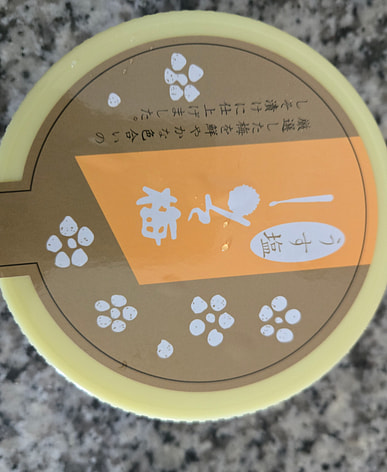 My American husband's favorite! I buy it every month; it's delicious!
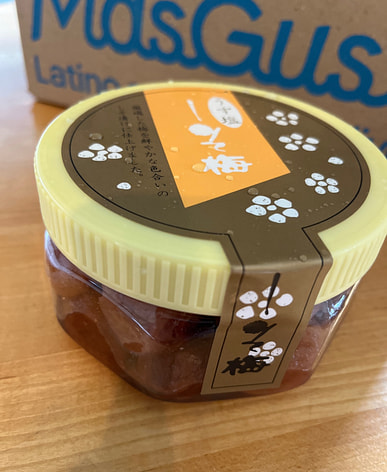 It's great for boiling with somen noodles, and of course, it's also perfect for sushi and small side dishes.
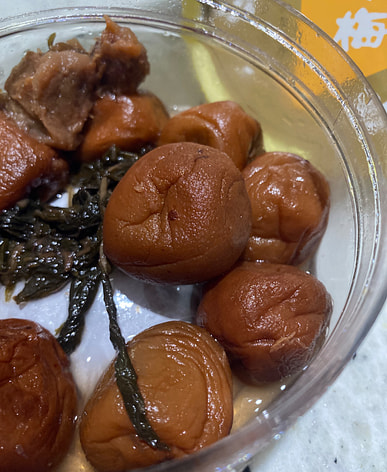 This is must have item to make riceballs (onigiri)!!
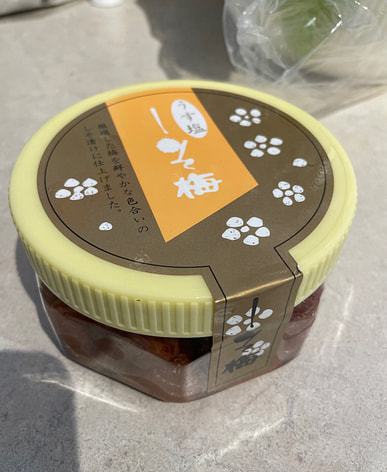 I'm happy that I can buy pickled plums.
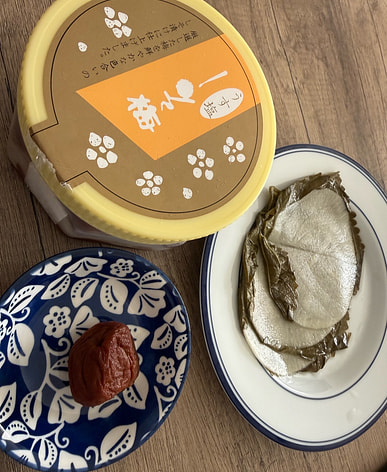 Very appetizing. It has the right balance of saltiness and sourness. Goes well with Japanese rice and pickled vegetables.
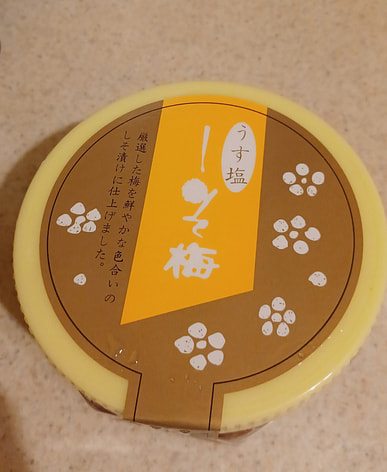 It's going to get hot from today at 31, so I got these at the perfect time. The grains are large and they're not too sour, which is great.
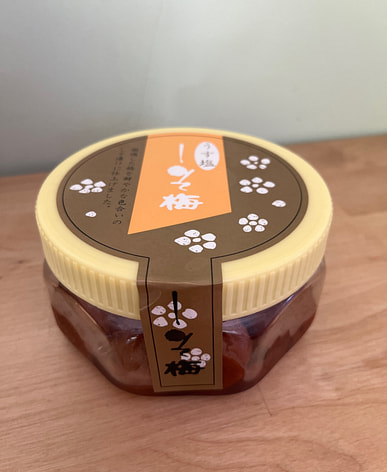 These are just regular pickled plums. I always buy these because they contain shiso leaves.
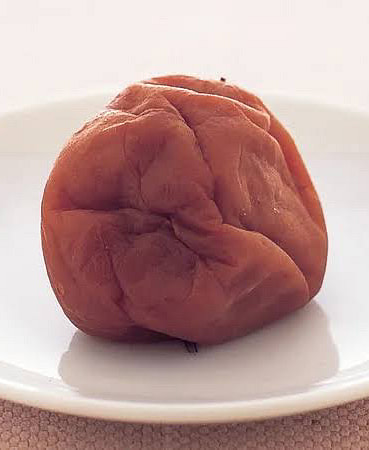 It's not too sour and tastes great.
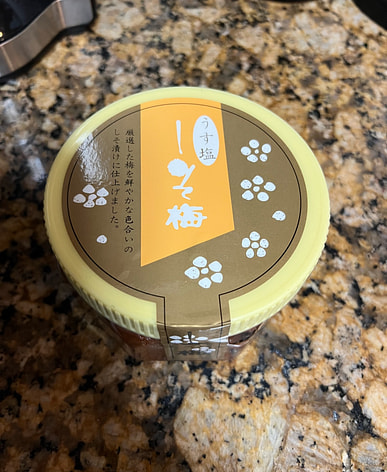 It's delicious! I'm going to make rice balls out of it!
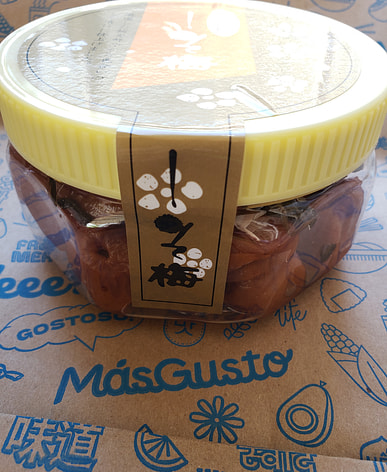 one of our favorite
Related with Japanese Plum
Plum
Japanese
Japanese Plum Potato Chips
Japanese Plum Drink
Japanese Plum Pickles
Japanese Plum Wine
Japanese Plum Tea
Japanese Plum Sauce
Japanese Plum Drinks
Japanese Plum Paste
Japanese Plum Potato Chip
Lyfen Japanese Plum Cake
Soft Japanese Plum
Japanese Plum Candy
Japanese Plum Pickel
Japanese Plum Juice
Japanese Plum Cake
Umeboshi Japanese Plum
Japanese Plum Rice
Japanese Plum Snacks
Japanese Plum Seedless
Fresh Japanese Plum

Asian Groceries
Get the App


Trending Topics
- Baby bok choy
- Kimchi
- Garam masala
- Rice vinegar
- Propitious Mango Ice Cream Viral Tiktok
- Massaman curry paste
- Nori seaweed
- Gochujang
- Miso paste
- Basmati rice
- Paneer
- Oyster sauce
- Green curry paste
- Red curry paste
- Bok choy
- Shaoxing wine
- Hoisin sauce
- Jasmine rice
- Matcha powder
- Soy sauce
- Ghee
- Jackfruit
- Tamarind paste
- Mirin
- Sesame oil
- Yellow curry paste
- Curry leaves
- Dark soy sauce
- Fish sauce
- KEWPIE Japanese Egg Yolks Mayonnaise


© 2015 - 2026 Weee!, Inc.