


Top 5 products for Mugicha

Latest reviews
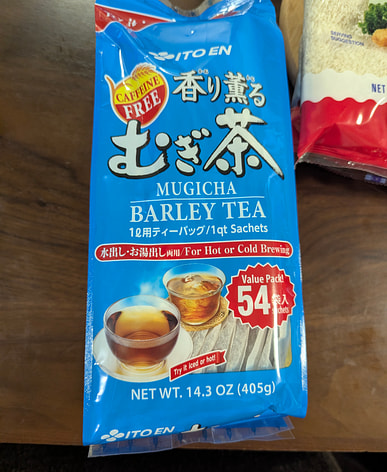 Other teas are good too, but sometimes I just crave barley tea. It's reliably delicious and convenient.
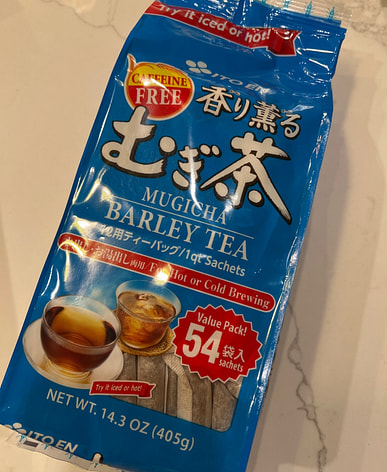 It's barley tea season!! This might be enough for the whole summer!
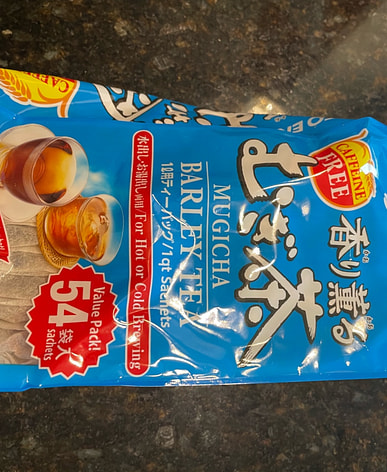 It tastes just like the one in Japan, so it's popular with the kids.
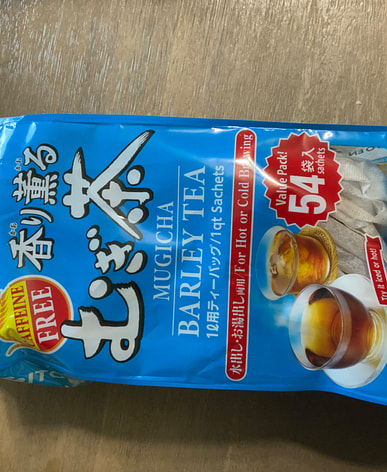 It tastes quite similar to drinking roasted black beans.
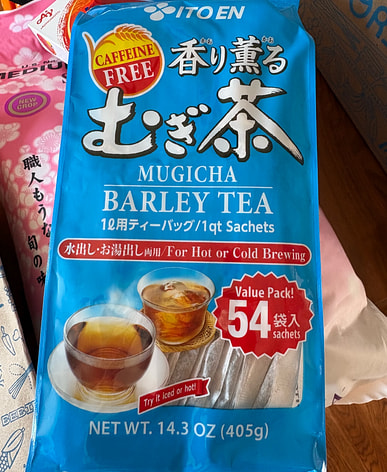 I was craving barley tea, so I bought some!
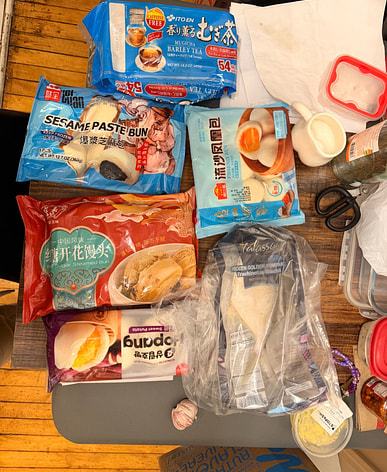 First time buying, hope it tastes good, delivery is fast, and the driver is responsible.
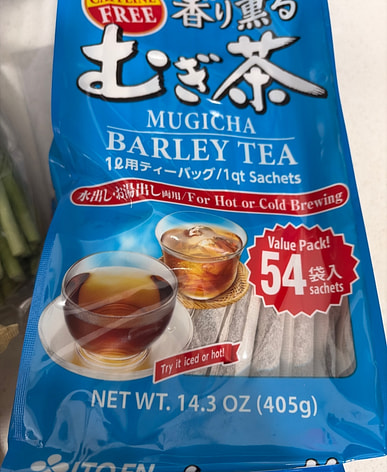 It's great that they deliver things if I forget to buy them.
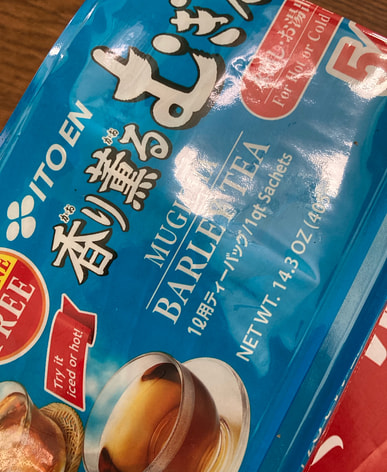 I bought it after seeing the reviews, and tried it again and again.
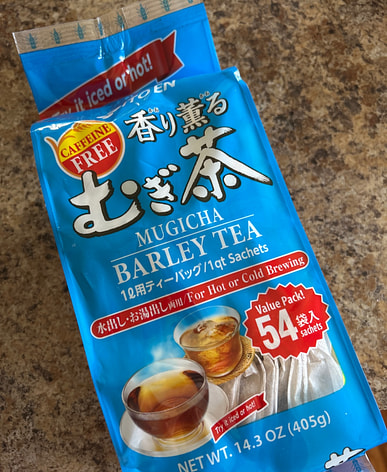 I use a lot of it, so this large pack is a lifesaver. I stock up when it's on sale. I'd love to see other tea packs stocked as well, like oolong tea and sixteen-tea blends.
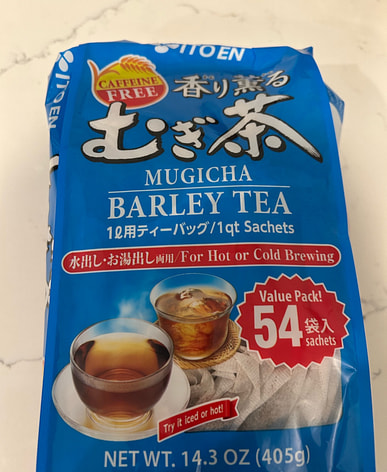 I made it right away with cold water. It was easy to make.

Latest reviews
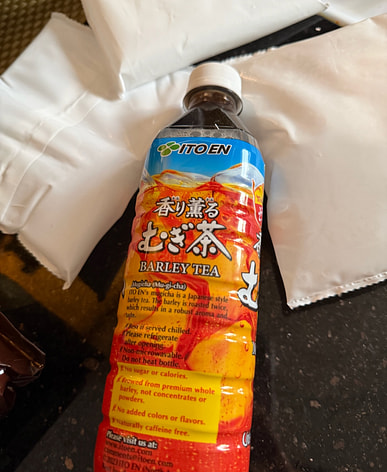 Healthy option for drinks
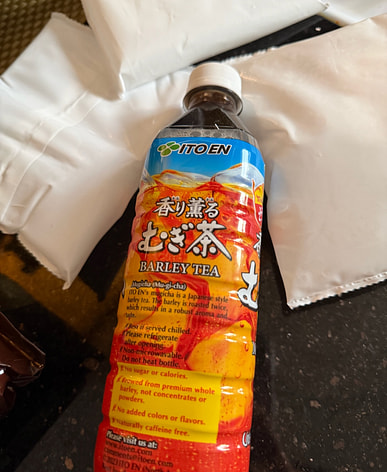 Very refreshing, it’s a great option to choose from and it was on sale!
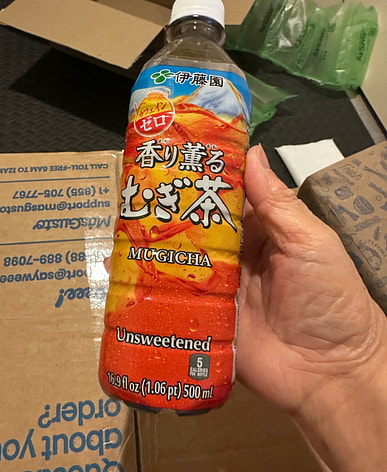 It's a good product that I've always imagined.
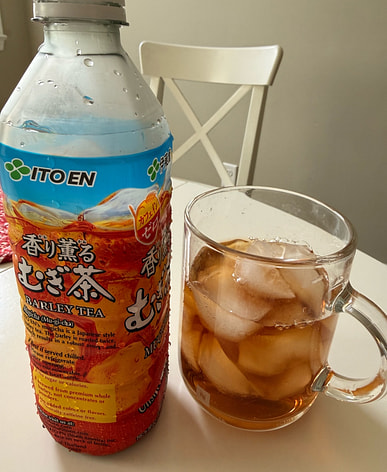 Itoen’s unsweetened barley tea is incredibly refreshing and satisfying.
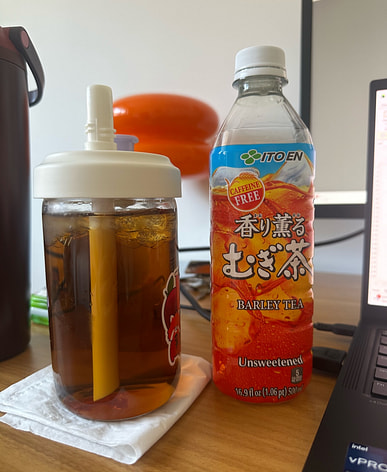 Yummy tea! Good barley taste. You honestly can’t go wrong with any of itoen’s products
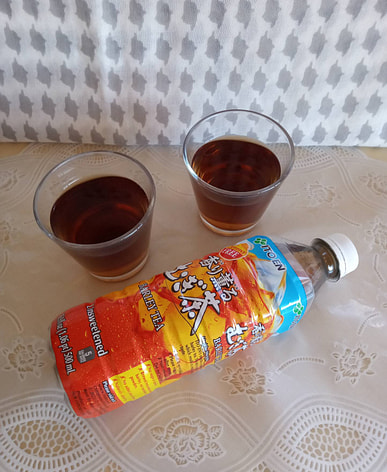 Itoen Barley Tea 500ml, chilled, is very refreshing.
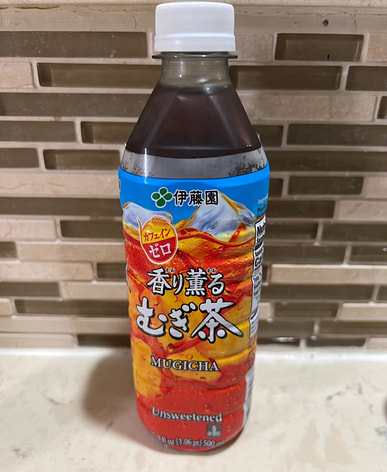 I was able to buy it cheaper than the Japanese supermarket nearby.
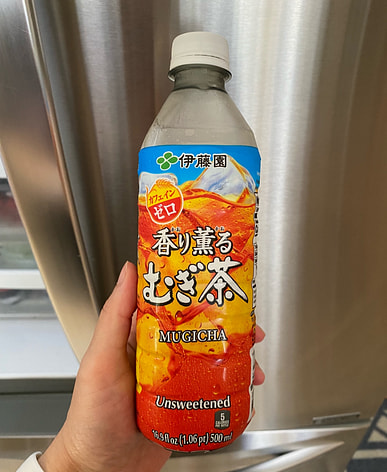 I love the barley tea. It has a deep, roasted, nutty flavor and is caffeine free. Perfect to drink after meals.
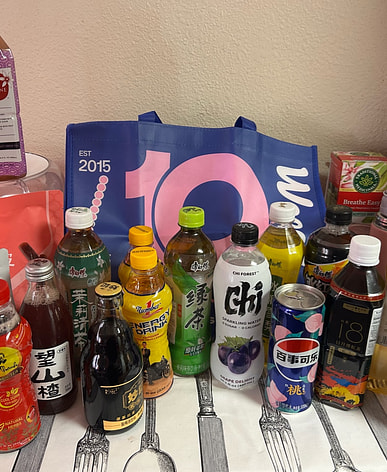 This looks good
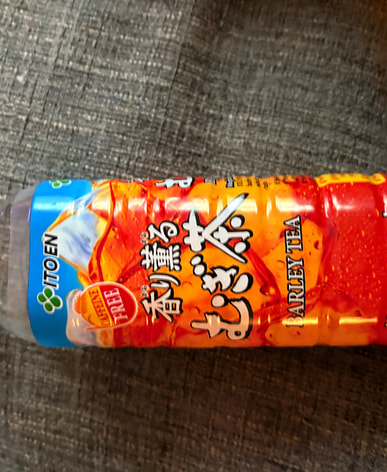 I enjoy this tea, it became my favorite on my travels in Japan. I will be seeking cases of this soon

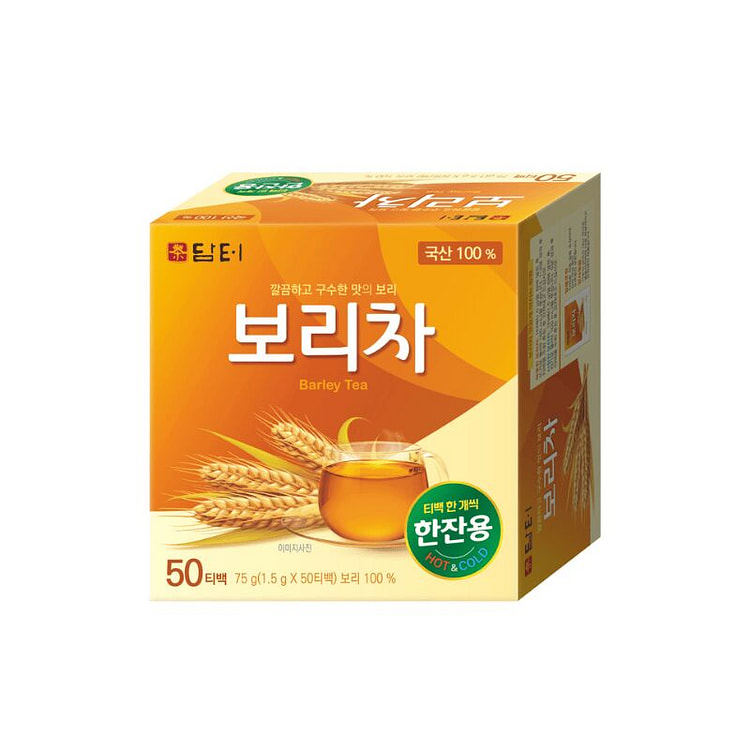
Latest reviews
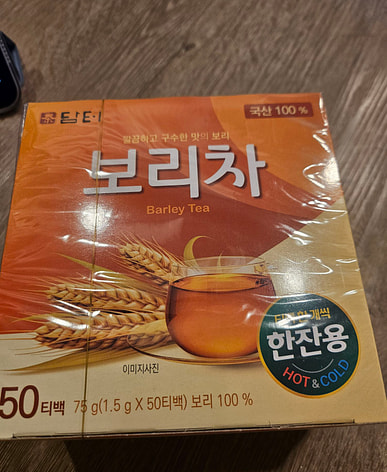 It's convenient and nice to drink barley tea.
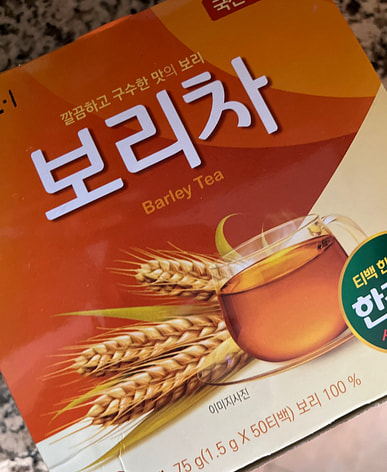 Am I the only one who thinks it tastes better than Japanese barley tea?
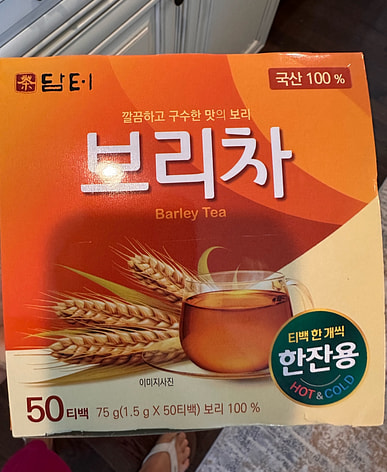 This taste good. Will buy again!
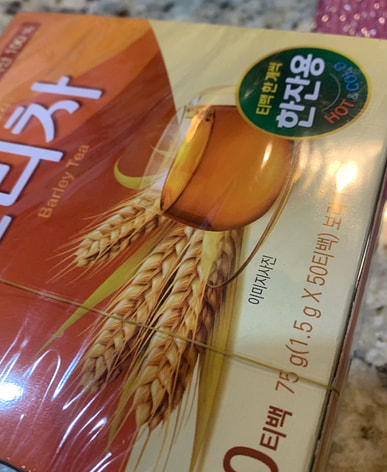 My daughter‘a tea
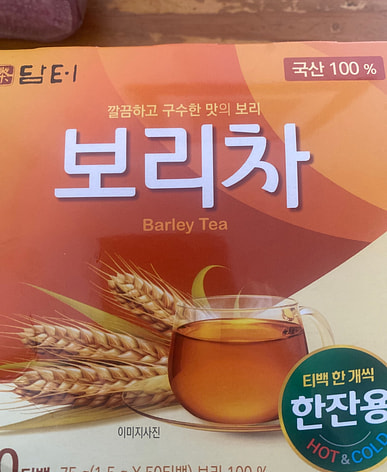 This tea is good
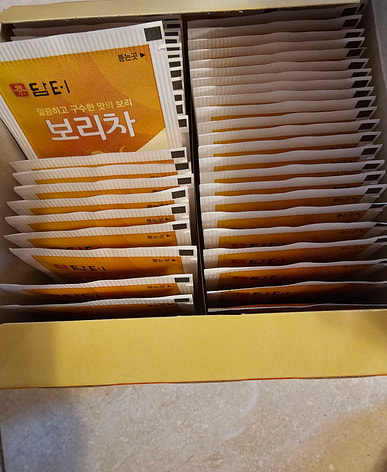 I'm enjoying the delicious barley tea.
 Very refreshing hot and cold
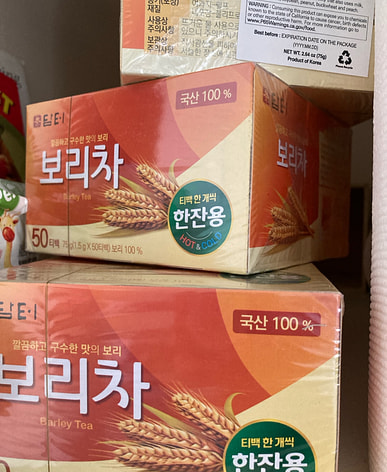 I drink it after making it. I also feed it to my children when they have stomachaches.
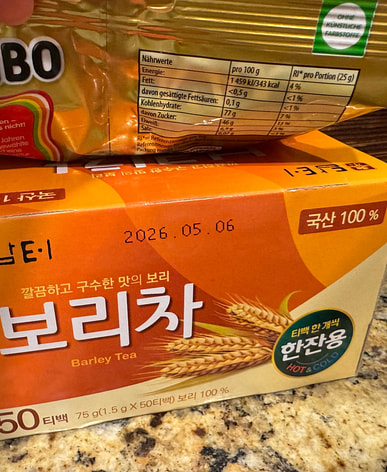 A small bag of tea is very convenient to brew


Latest reviews
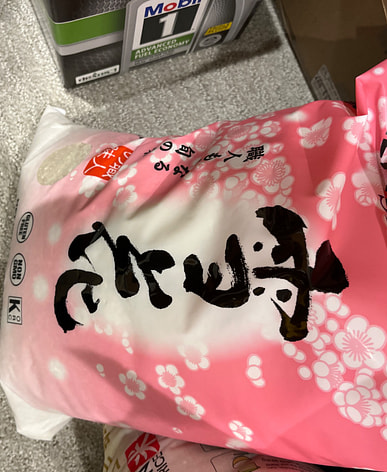 This rice tastes good; I've bought it many times.
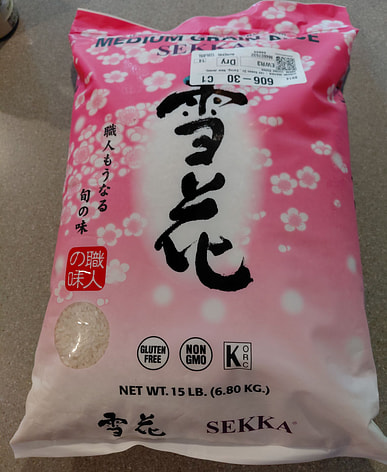 Good rice.
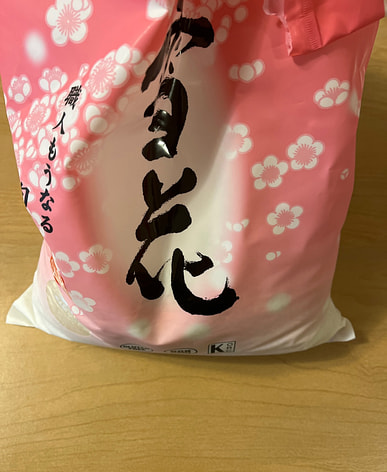 The rice tastes pretty good, and the cooked rice is alright.
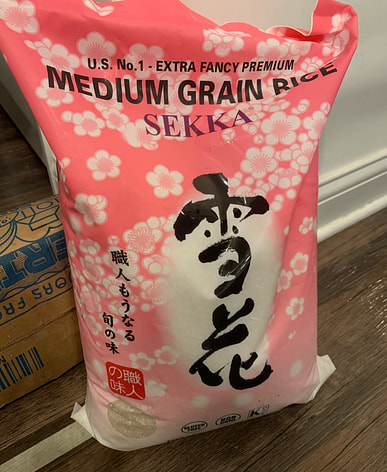 This is the rice I always buy! I think this is more than enough for families with growing boys.
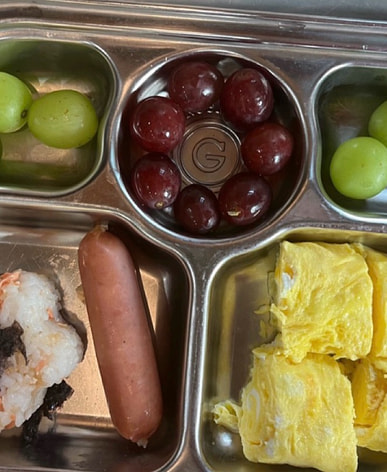 Bento Box Permanent Member States
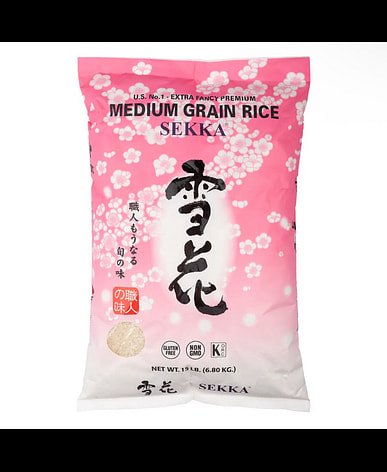 Snowflake rice is very delicious and warm.
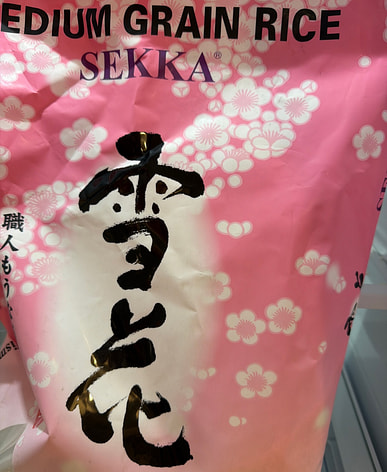 This is a super big bag! The packaging looks like Japanese rice, but it's actually made in the USA. It's an economical and affordable rice!
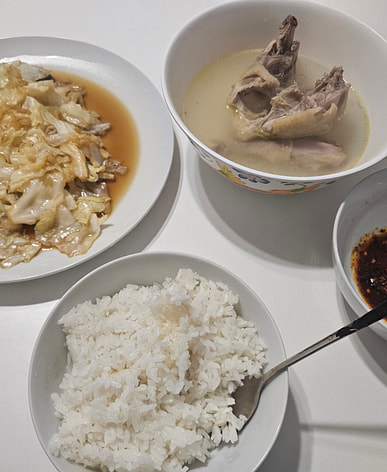 very tasty

Asian groceries delivered to your door
Weee! serves the major metropolitan areas across the United States as a trusted Asian online grocery store, bringing together products and ingredients from Chinese, Japanese, Korean, Vietnamese, Thai, Filipino, and Indian supermarkets. Shop everyday essentials including dairy, vegetables, fruits, and fresh produce, along with frozen meats and seafood, carefully packed with dry ice and offered in traditional cuts and formats familiar to Asian households. Now accepting EBT/SNAP at checkout in the largest U.S. cities. Buying Asian groceries online has never been easier or more reliable.

Top products for mugicha
- $4.99 - $8.79Itoen Tea Bag Kaori Kaoru Mugicha Barley Tea 54p 0.26 oz*54 pack 300+ Sold weekly
- $2.29 - $3.79Itoen Mugicha Barley Tea 100+ Sold weekly
- 35% off$4.49 - $6.99Damtuh Barley Tea Bags 50pcs 1.5 g 200+ Sold weekly
- $11.99Damtuh Barley Tea Bags 100 pcs 75 g
- $13.49 - $19.99Sekka Premium Japanese Medium Grain Rice 1K+ Sold weekly
 35% off$4.49 - $6.99Itoen Oi Ocha Green Tea Unsweetened 67.6 fl.oz 1K+ Sold weekly
Related products for mugicha
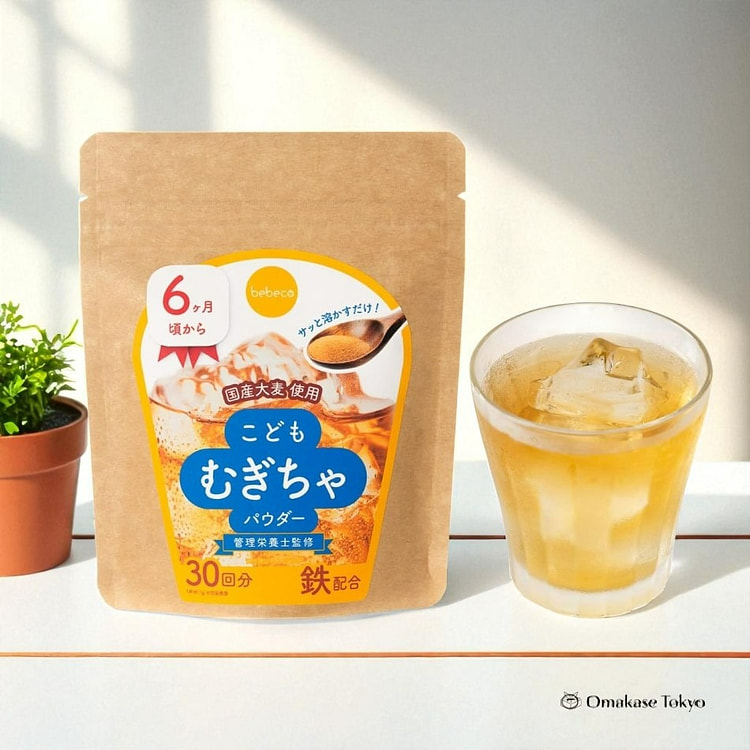 $32.99Bebeco Children's Mugicha Barley Tea IronShips from Omakase Tokyo
 $7.99ISHIGAKI Food Fuji Mineral Mugicha 10g*16 bagsShips from Asakusa Romance
 $9.99Damtuh Barley Tea Bags - 75gShips from Damtuh USA
- 10% off$12.59 - $13.99Damtuh Barley Tea Bags 100 pcsShips from Damtuh USA
 $17.40Dark Roasted Barley Tea (Caffeine-free)Ships from Kokoro Care
 $18.00Chikiriya - Hatomugicha (Job's tears tea) - Tea bags - 5.64ozShips from Chikiriya Kyoto
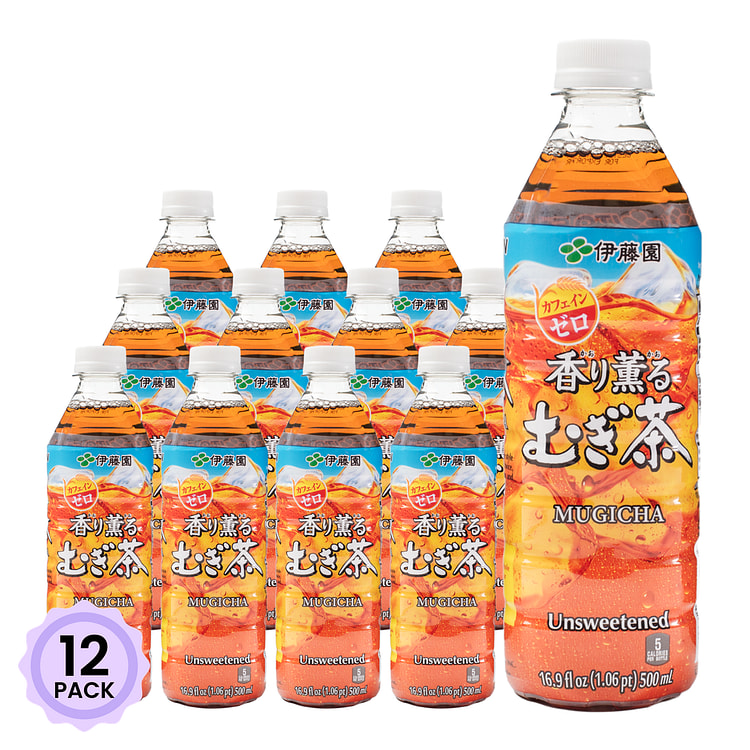 $30.99 - $31.99Itoen Mugicha Barley Tea 500 ml*12 pack
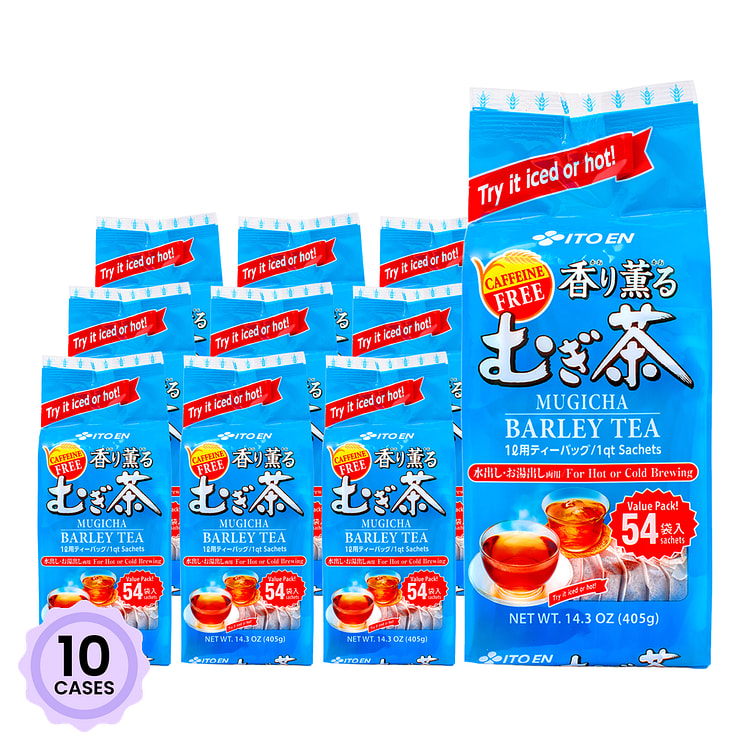 $57.99 - $67.99Itoen Tea Bag Kaori Kaoru Mugicha Barley Tea 0.26 oz*54 pack*10 case














 Customer since 2018
 Phoenix, AZCustomer since 2020Connecticut, CTCustomer since 2023Washington DCCustomer since 2020Los Angeles, CA
Frequently asked questions
What is a mikan?
Mikan is a type of citrus, specifically a Japanese mandarin orange. It's sweet, easy to peel and seedless.
What does mikan taste like?
Mikan has a sweet and lightly tangy flavor, similar to a regular orange but slightly more refreshing.
How to eat a mikan?
Mikan can be eaten raw. It's easy to peel, and you can enjoy its juicy sections directly.
Is mikan the same as a tangerine?
While mikan and tangerines are both types of mandarin oranges, they are not exactly the same. Mikans are specifically Japanese mandarin oranges.
What is mikan used for in Japan?
In Japan, mikan is widely used in various ways. It's eaten fresh, used in cooking, made into drinks, candies, and even dried for preservation.
Are mikans good for weight loss?
Mikans are low in calories and high in fiber, which can contribute to feeling full and may assist with weight control.
Can mikan be frozen?
Yes, you can freeze mikan segments for later use in cooking or smoothies. However, freezing may alter its texture and flavor slightly.
Where can I buy mikan?
You can buy mikan at Weee! Asian Market, www.sayweee.com.
Where is mikan grown?
Mikan is primarily grown in Japan, especially in the regions of Ehime and Wakayama.
What are the nutritional benefits of mikan?
Mikan is rich in vitamin C, fiber, and antioxidants. It's also low in calories, making it a healthy fruit choice.
Can you eat mikan skin?
While the skin of mikan is edible, it's generally not consumed due to its bitter taste.
Can mikan be used in cooking?
Yes, mikan can be used in a variety of dishes. It can be used in salads, desserts, and in sauces for meat dishes.
Is mikan available all year round?
Mikan is typically a winter fruit in Japan, but it may be available in other parts of the world at different times.
How to store mikans?
Mikans should be stored in a cool, dry place. They can also be stored in the refrigerator to extend their shelf life.
Are mikans used in traditional Chinese medicine?
Yes, mikan peels are often used in traditional Chinese medicine for its health benefits.
Is mikan popular in Japan?
Yes, mikan is extremely popular in Japan. It's especially loved in the winter months and is a common sight in Japanese homes during that season.
Popular reviews
- Other teas are good too, but sometimes I just crave barley tea. It's reliably delicious and convenient.
- It's barley tea season!! This might be enough for the whole summer!
- It tastes just like the one in Japan, so it's popular with the kids.
- It tastes quite similar to drinking roasted black beans.
- I was craving barley tea, so I bought some!
- First time buying, hope it tastes good, delivery is fast, and the driver is responsible.
- It's great that they deliver things if I forget to buy them.
- I bought it after seeing the reviews, and tried it again and again.
- I use a lot of it, so this large pack is a lifesaver. I stock up when it's on sale. I'd love to see other tea packs stocked as well, like oolong tea and sixteen-tea blends.
- I made it right away with cold water. It was easy to make.
- Healthy option for drinks
- Very refreshing, it’s a great option to choose from and it was on sale!
- It's a good product that I've always imagined.
- Itoen’s unsweetened barley tea is incredibly refreshing and satisfying.
- Yummy tea! Good barley taste. You honestly can’t go wrong with any of itoen’s products
- Itoen Barley Tea 500ml, chilled, is very refreshing.
- I was able to buy it cheaper than the Japanese supermarket nearby.
- I love the barley tea. It has a deep, roasted, nutty flavor and is caffeine free. Perfect to drink after meals.
- This looks good
- I enjoy this tea, it became my favorite on my travels in Japan. I will be seeking cases of this soon
- It's convenient and nice to drink barley tea.
- Am I the only one who thinks it tastes better than Japanese barley tea?
- This taste good. Will buy again!
- My daughter‘a tea
- This tea is good
- I'm enjoying the delicious barley tea.
- Very refreshing hot and cold
- I drink it after making it. I also feed it to my children when they have stomachaches.
- A small bag of tea is very convenient to brew
- This rice tastes good; I've bought it many times.
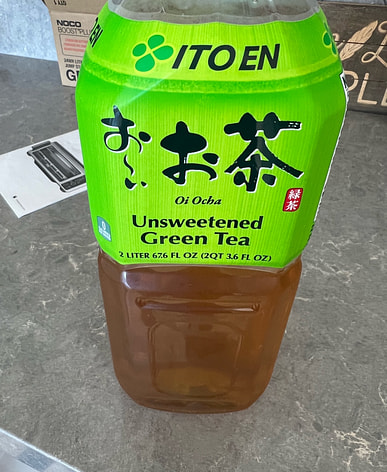 Itoen Original Green Tea is delicious! But it's a bit pricey.
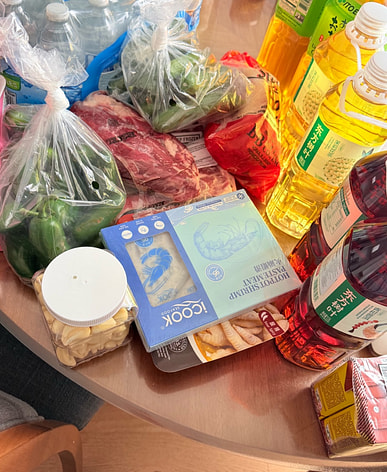 I've repurchased it multiple times and it's really good
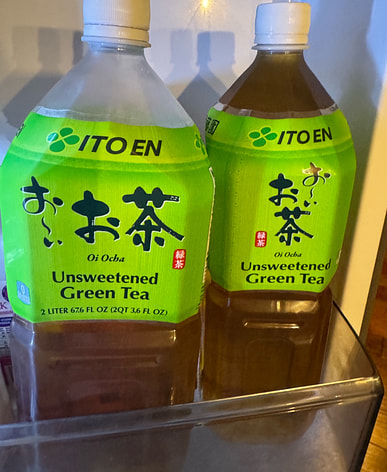 Please have frequent sales on this must-have stock item.
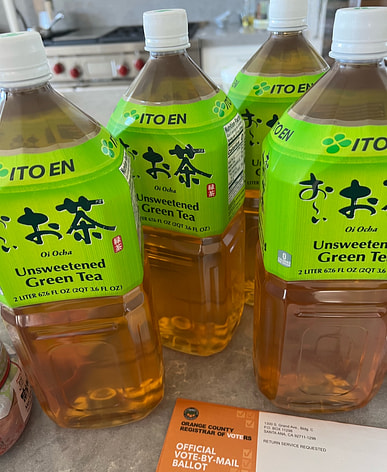 I used to buy small cans of Itoen green tea from Costco, but I've discontinued it!
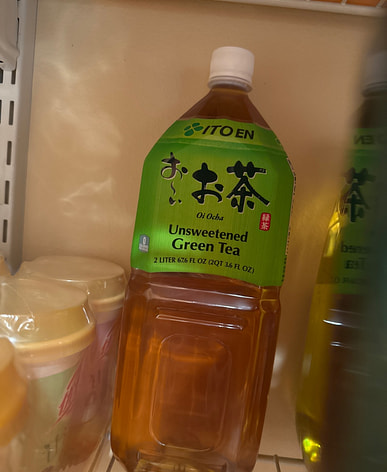 I'm restocking a large bottle of green tea, which I drink regularly.
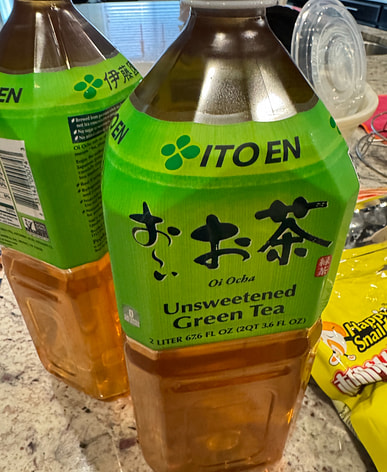 It's good, delicious, I'll keep buying more!
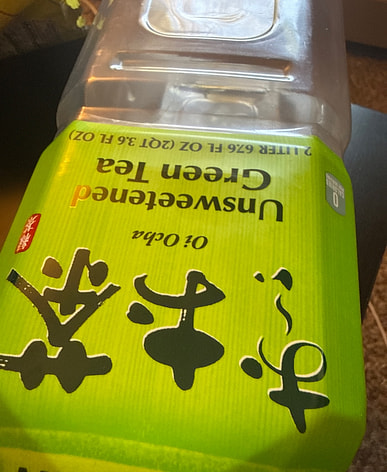 goooood!!!!!!
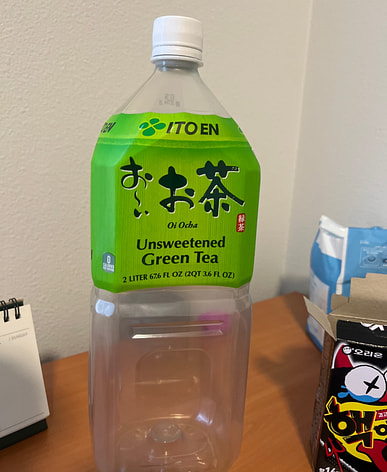 It was so delicious that I finished it all in one day.
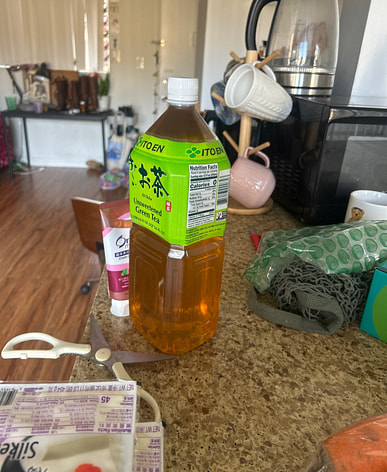 I love tea
Related with Mugicha
Mugicha Bag
Mugicha Barley Tea
Mugicha Itoen
Ito En Mugicha
Itoen Tea Mugicha
Mugicha Cha
Itoen Teabag Mugicha
Itoen Tea Bag Kaori Kaoru Mugicha Barley Tea
Japanese Products Mugicha
Itoen Mugicha Barley Tea 500 Ml
Itoen Kaori Kaoru Mugicha
Mineral Mugicha
Itoen Tea Bag Kaori Kaoru Mugicha
Ishigaki Mugicha
Mugicha Roasted Barley Tea
Mugicha Barley
Japanese Mugicha

Asian Groceries
Get the App


Trending Topics
- Hoisin sauce
- Massaman curry paste
- Jasmine rice
- Miso paste
- Green curry paste
- Curry leaves
- Shaoxing wine
- Paneer
- Oyster sauce
- Garam masala
- Soy sauce
- Fish sauce
- Gochujang
- Jackfruit
- Propitious Mango Ice Cream Viral Tiktok
- KEWPIE Japanese Egg Yolks Mayonnaise
- Ghee
- Basmati rice
- Tamarind paste
- Nori seaweed
- Red curry paste
- Dark soy sauce
- Mirin
- Baby bok choy
- Yellow curry paste
- Sesame oil
- Rice vinegar
- Bok choy
- Matcha powder
- Kimchi


© 2015 - 2026 Weee!, Inc.