


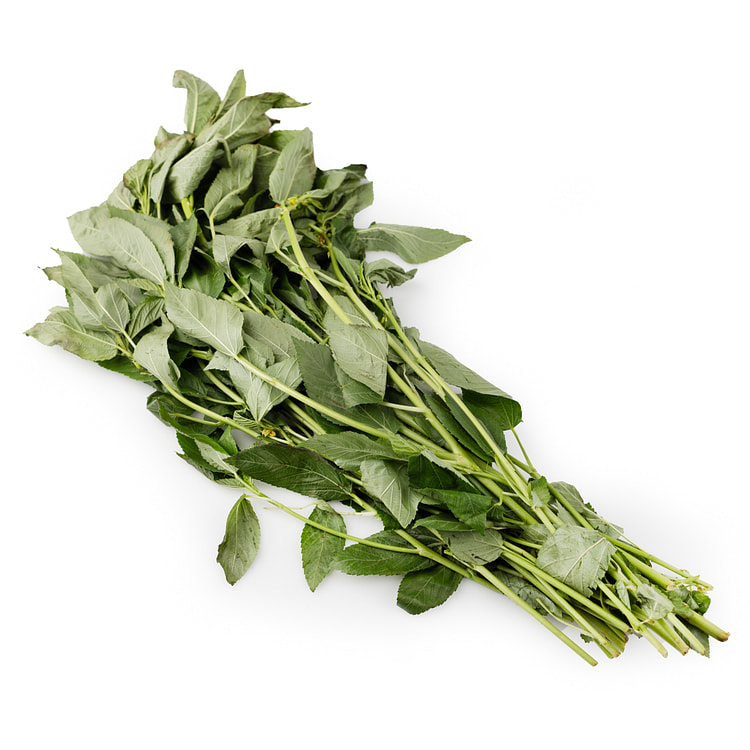
Top 1 products for Saluyot Leave
Latest reviews
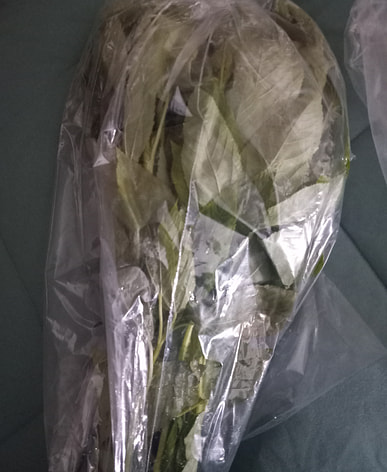 Fresh and cleaned
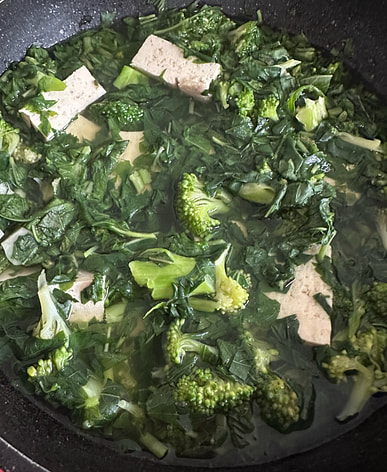 Mallow Cook with broccoli
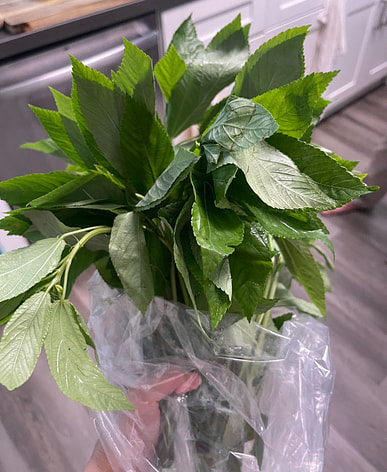 Super fresh. Love it!
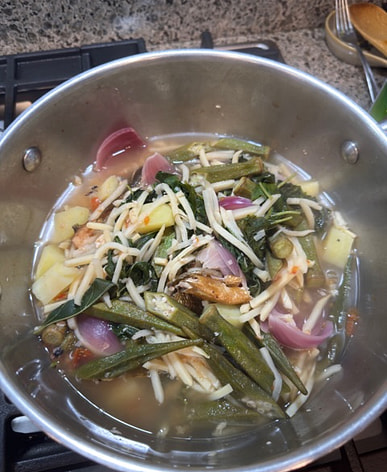 I cant say enough about the freshness of this saluyot. it is 10/10
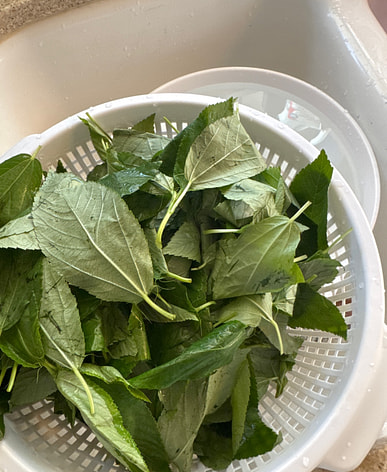 very fresh vegetables
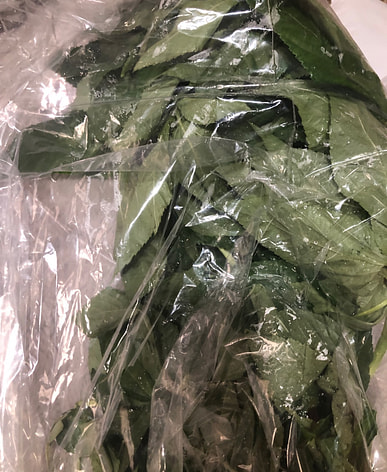 Looks fresh as always
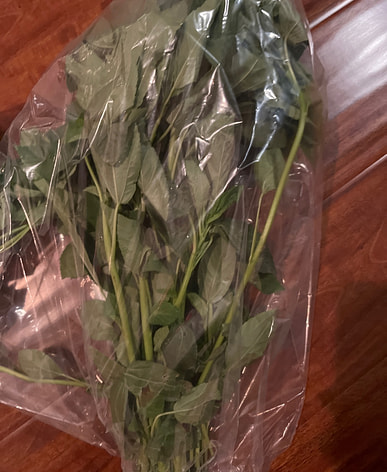 Fresh. Will buy again
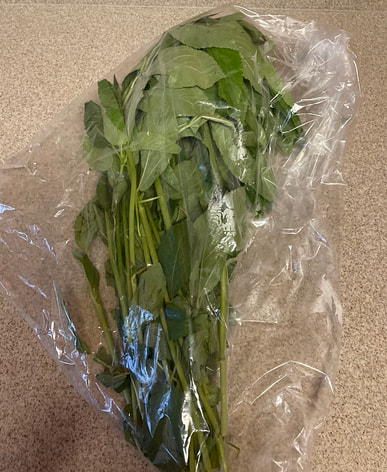 Great quality - so fresh! Can’t wait to try it.
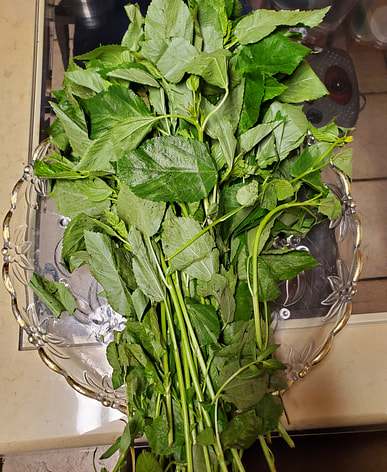 The jute is fresh, delicious, and cheap. Although this season the vegetables are a bit older than a month ago because it's the end of the season, I'm still very satisfied because it's not easy to find in the markets if you're not in an area with a lot of Vietnamese people. I bought it many times, washed it, blanched it, and froze it. When I cooked it in the winter, it was still as delicious as new.
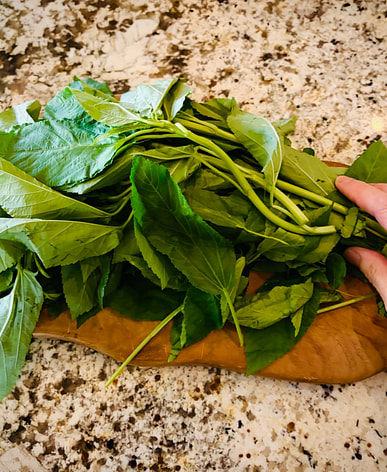 The large leaves are satisfying to eat. They are great for dipping in soy sauce, in miso soup, or mixed with natto.
Asian groceries delivered to your door
Weee! serves the major metropolitan areas across the United States as a trusted Asian online grocery store, bringing together products and ingredients from Chinese, Japanese, Korean, Vietnamese, Thai, Filipino, and Indian supermarkets. Shop everyday essentials including dairy, vegetables, fruits, and fresh produce, along with frozen meats and seafood, carefully packed with dry ice and offered in traditional cuts and formats familiar to Asian households. Now accepting EBT/SNAP at checkout in the largest U.S. cities. Buying Asian groceries online has never been easier or more reliable.
















 Customer since 2018
 Phoenix, AZCustomer since 2020Connecticut, CTCustomer since 2023Washington DCCustomer since 2020Los Angeles, CA
Frequently asked questions
What are Saluyot leaves?
Saluyot leaves are from a plant known as the jute mallow plant, a shrub-like plant grown in tropical regions for its fiber and edible leaves.
What is the nutritional value of Saluyot leaves?
Saluyot leaves are a rich source of Vitamin A, C, and E, along with important minerals like calcium, iron, and fiber. They also have anti-oxidant properties.
Where can I buy Saluyot leaves?
You can buy it at Weee! Asian Market, www.sayweee.com.
Can Saluyot leaves be frozen for future use?
Yes, you can freeze Saluyot leaves. It's best to blanch them first to preserve their nutrients, then drain and pack them tightly before freezing.
Can pregnant women eat Saluyot leaves?
Yes, Saluyot leaves are safe to eat during pregnancy. However, as with any food, it's important to consume them as part of a varied and balanced diet.
Can I grow Saluyot leaves at home?
Yes, Saluyot is a tropical plant but can be grown in pots or in the ground. It prefers full sun and well-drained soil.
How do I store Saluyot leaves?
Saluyot leaves should be stored in a cool, dry place. They can also be refrigerated to extend their shelf life.
Do I need to wash Saluyot leaves before cooking?
Yes, like any other vegetable, you should thoroughly rinse Saluyot leaves under running water to remove any dirt or debris before cooking.
Where are Saluyot leaves mostly cultivated?
Saluyot is mainly cultivated in the Middle East, Africa, and Asia. It is especially popular in the Philippines.
How do you cook Saluyot leaves?
Saluyot leaves can be used in a variety of dishes. They can be sauteed, added to soups or stews, or cooked with other vegetables and meats.
Are Saluyot leaves safe to eat raw?
While Saluyot leaves can technically be eaten raw, they are usually cooked to make them more palatable and to break down the fibers.
Can Saluyot leaves help with weight loss?
While there is no magic food for weight loss, Saluyot leaves are low in calories and rich in fiber, making them a healthy addition to a balanced diet.
Are there any side effects to consuming Saluyot leaves?
While Saluyot leaves are generally safe to eat, some people may experience digestive discomfort if they consume too much due to their high fiber content.
What is the taste of Saluyot leaves?
Saluyot leaves have a slightly bitter taste and a mucilaginous (or slimy) texture when cooked, similar to okra.
Can Saluyot leaves be used in herbal medicine?
Yes, Saluyot leaves have been used in traditional medicine for their anti-inflammatory and antioxidant properties.
How quickly do Saluyot plants grow?
Saluyot plants can grow quite rapidly, with leaves ready for harvest in as little as 2 to 3 months from seed.
Popular reviews
- Fresh and cleaned
- Mallow Cook with broccoli
- Super fresh. Love it!
- I cant say enough about the freshness of this saluyot. it is 10/10
- very fresh vegetables
- Looks fresh as always
- Fresh. Will buy again
- Great quality - so fresh! Can’t wait to try it.
- The jute is fresh, delicious, and cheap. Although this season the vegetables are a bit older than a month ago because it's the end of the season, I'm still very satisfied because it's not easy to find in the markets if you're not in an area with a lot of Vietnamese people. I bought it many times, washed it, blanched it, and froze it. When I cooked it in the winter, it was still as delicious as new.
- The large leaves are satisfying to eat. They are great for dipping in soy sauce, in miso soup, or mixed with natto.

Asian Groceries
Get the App


Trending Topics
- Miso paste
- Green curry paste
- Ghee
- Soy sauce
- Nori seaweed
- Tamarind paste
- Mirin
- Bok choy
- Matcha powder
- Jackfruit
- Curry leaves
- Paneer
- Jasmine rice
- Hoisin sauce
- Rice vinegar
- Gochujang
- Garam masala
- KEWPIE Japanese Egg Yolks Mayonnaise
- Yellow curry paste
- Baby bok choy
- Propitious Mango Ice Cream Viral Tiktok
- Fish sauce
- Red curry paste
- Basmati rice
- Oyster sauce
- Kimchi
- Sesame oil
- Shaoxing wine
- Massaman curry paste
- Dark soy sauce


© 2015 - 2026 Weee!, Inc.