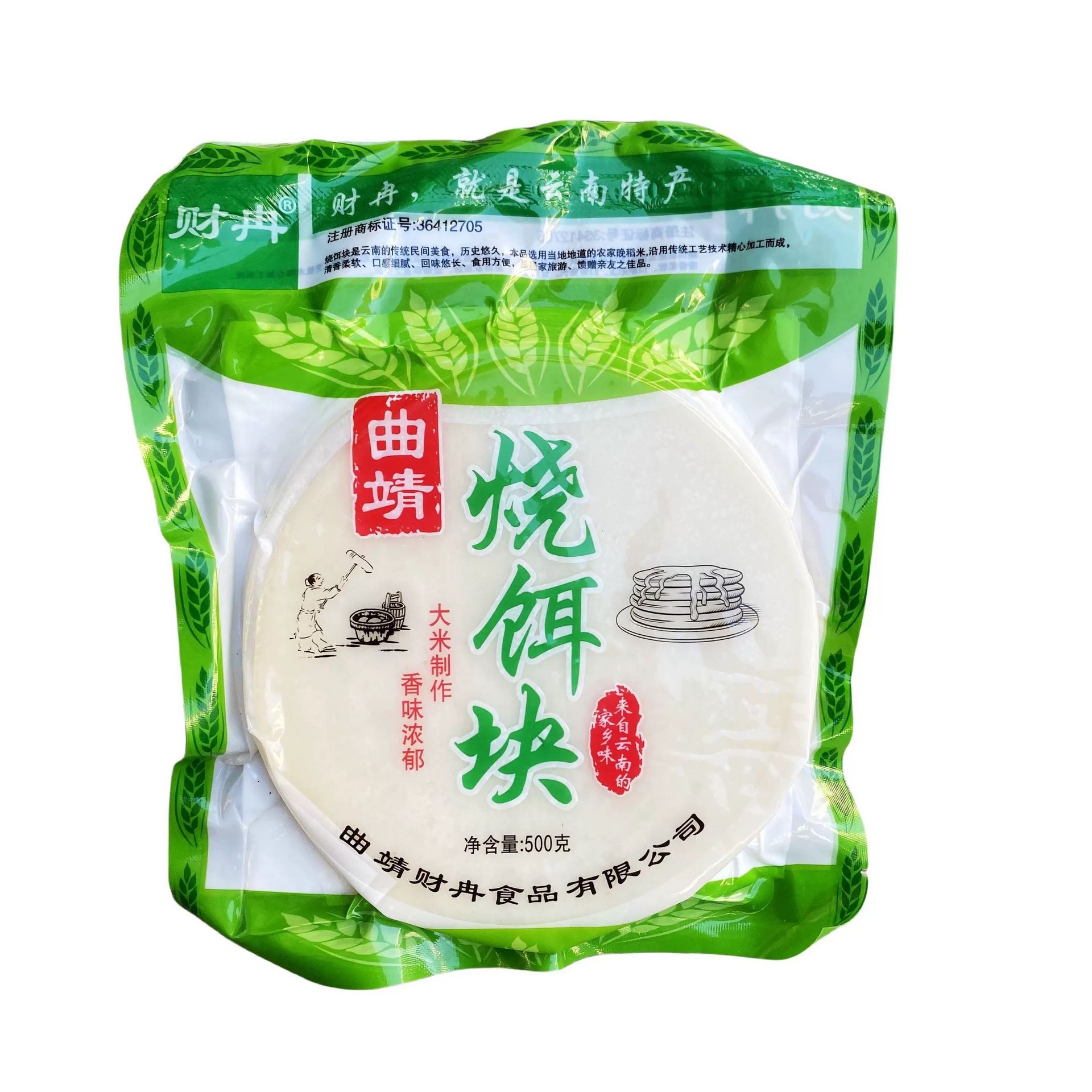
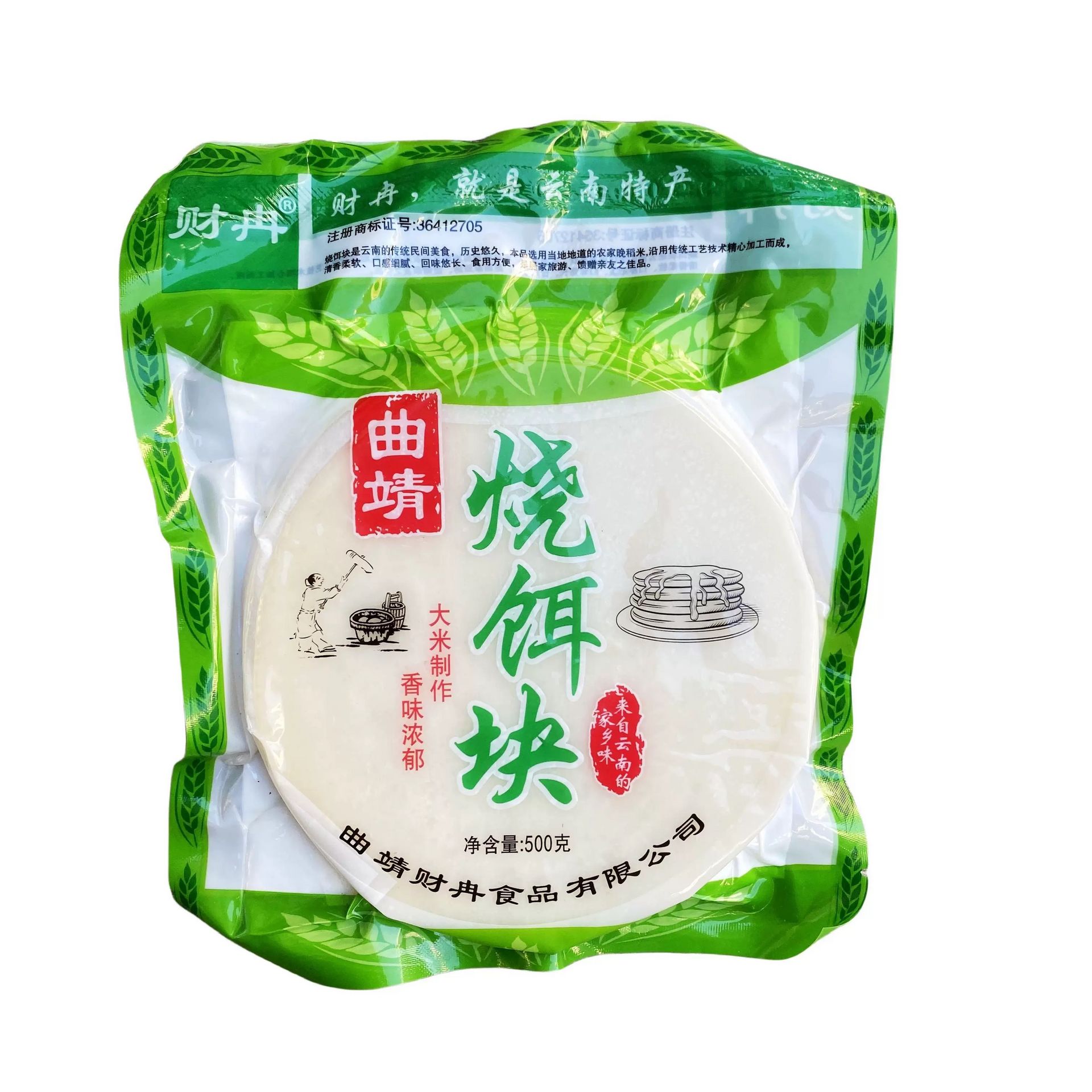
Yunnan Qujing Roasted Erkuai (5peace) 500 g
Important Notice! (The main cost lies in shipping—we ship via FedEx)
As this is fresh erkuai, even though it’s shipped in vacuum packaging, please contact us immediately for after-sales service if the package leaks or the product deteriorates due to prolonged transit. Consume or store the product promptly upon receipt—when refrigerating, ensure moisture protection by placing it in an airtight bag.
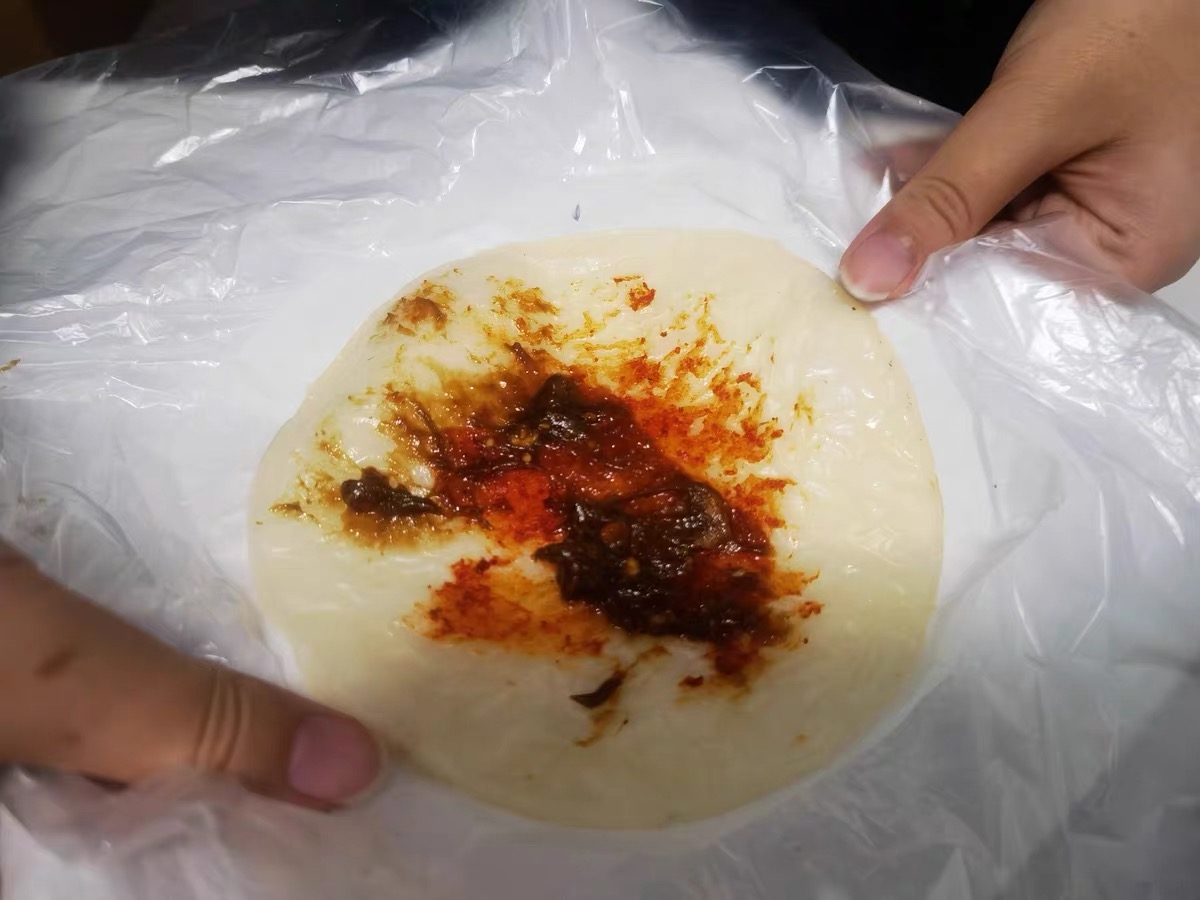
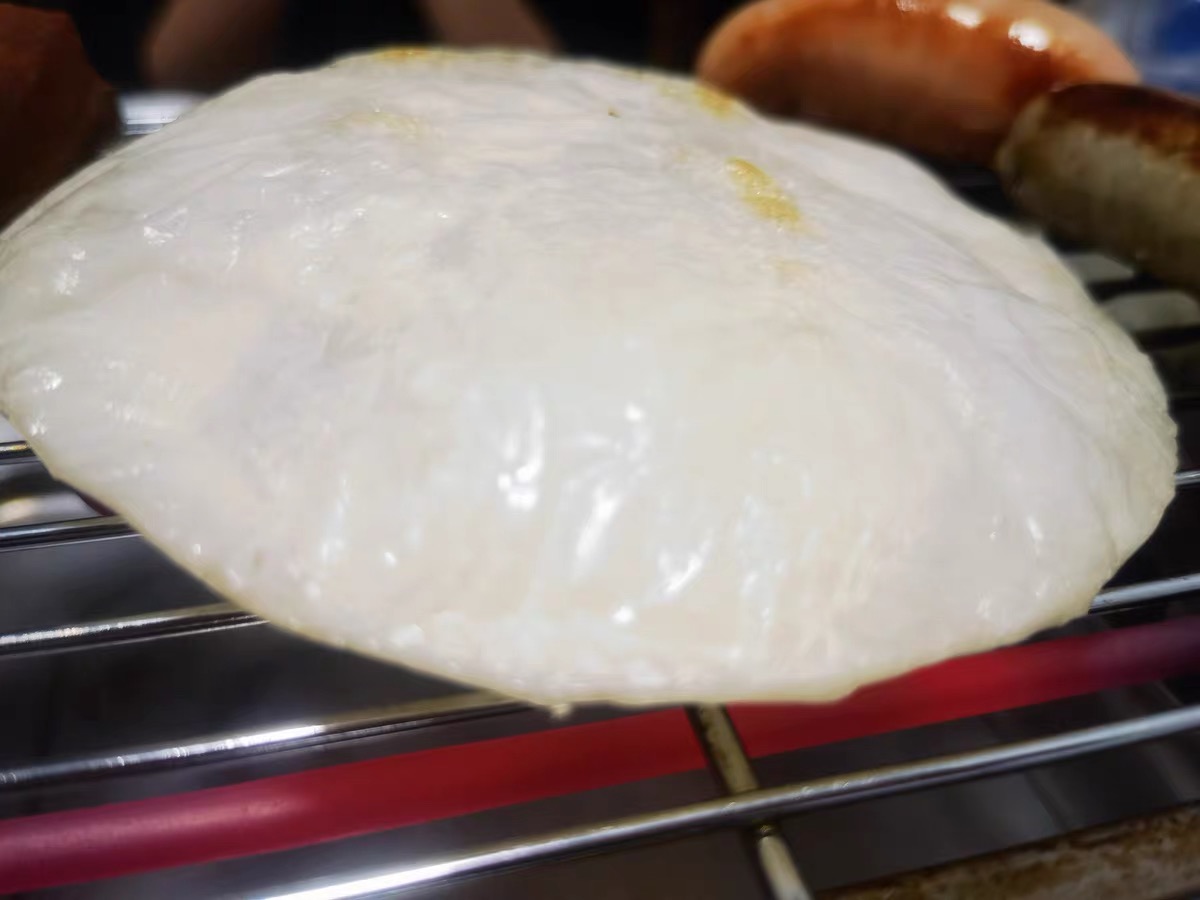
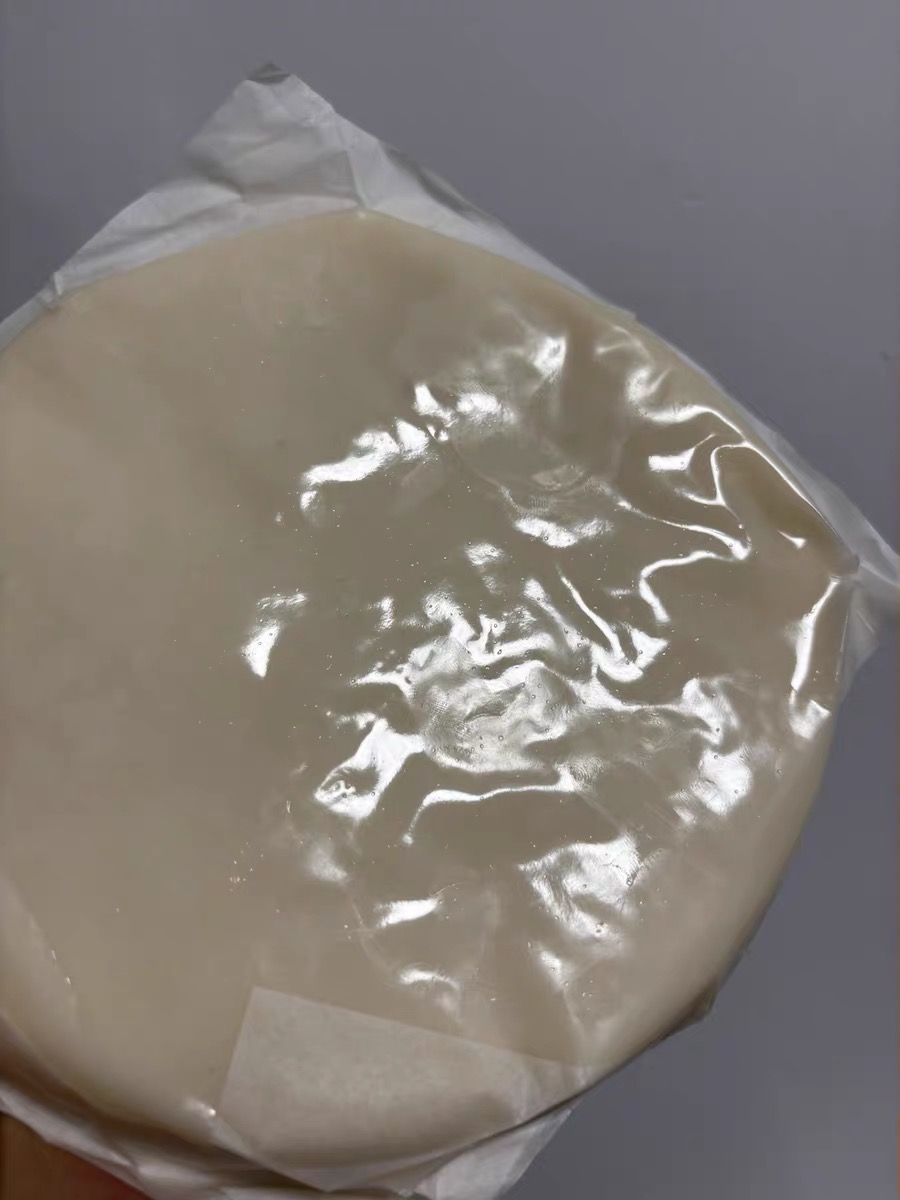
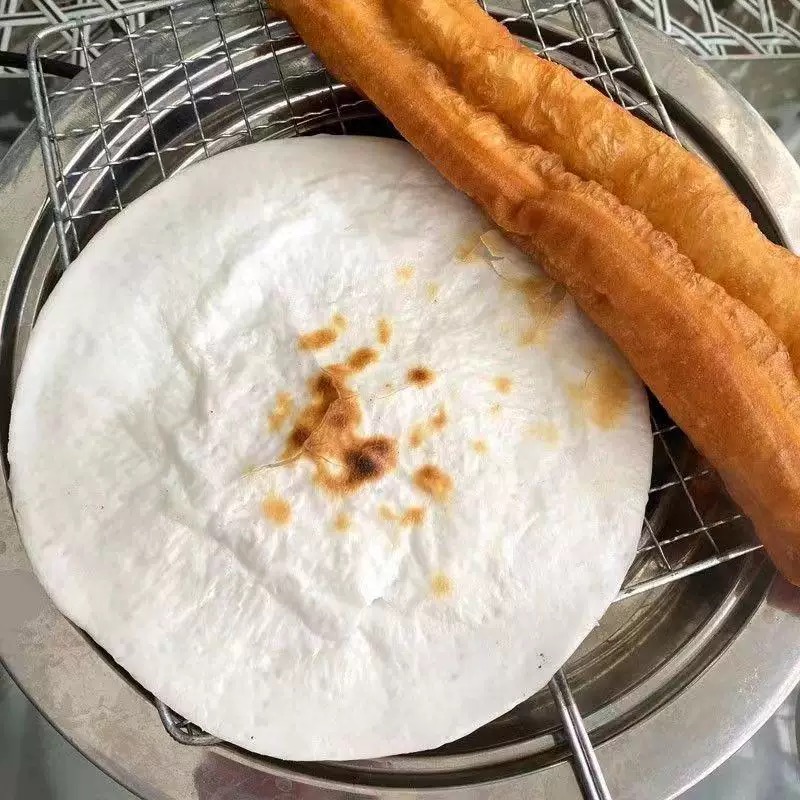
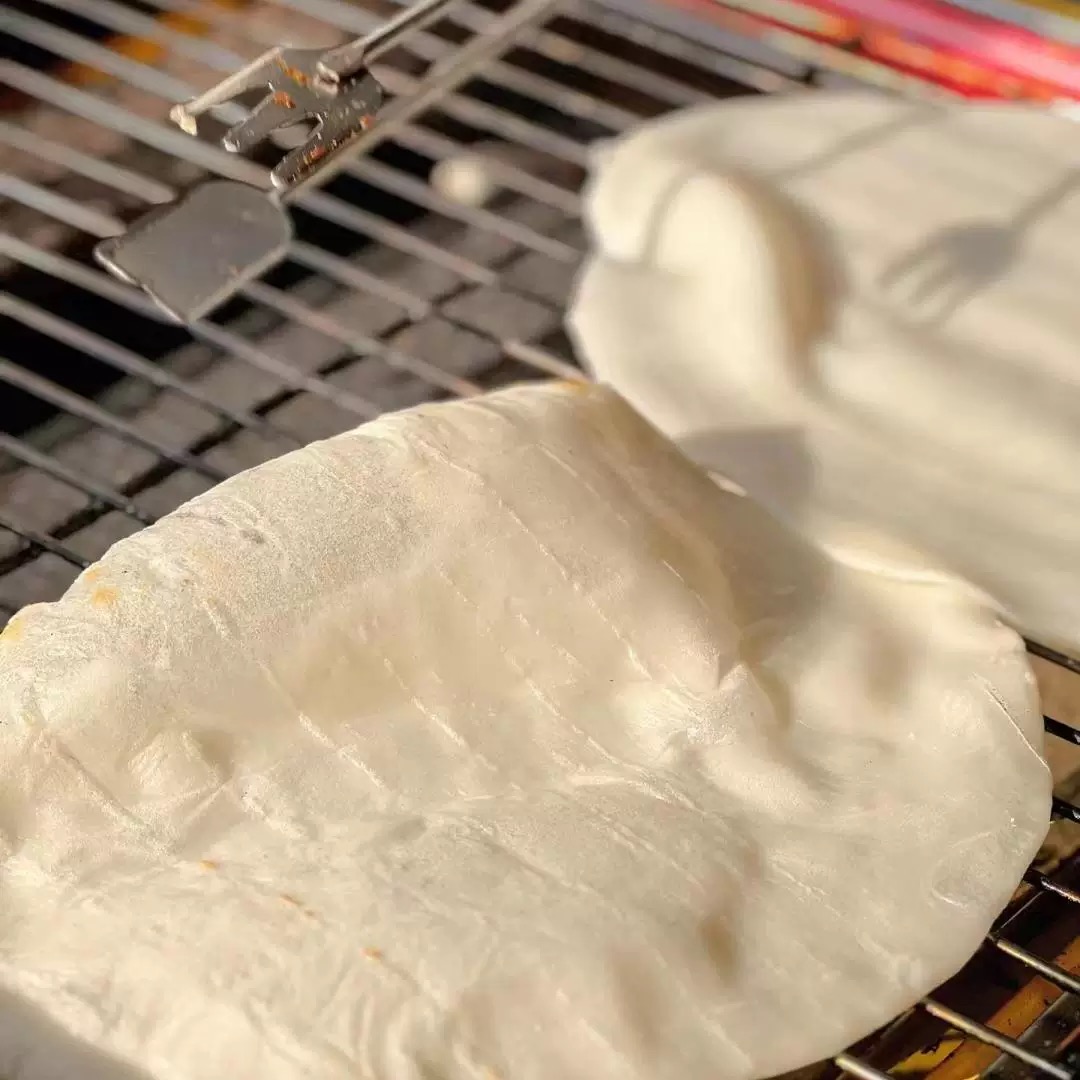
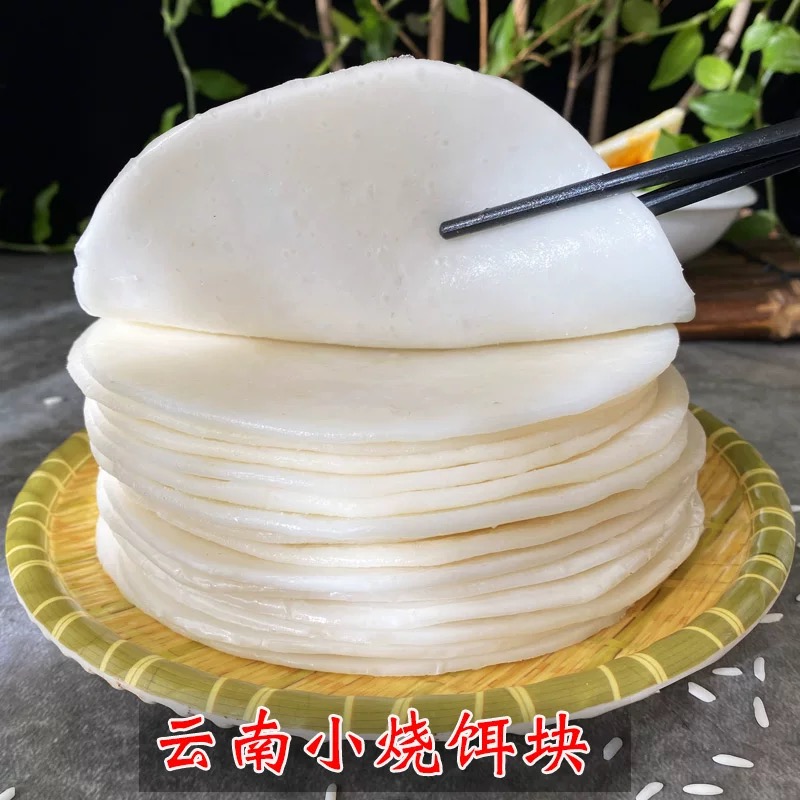

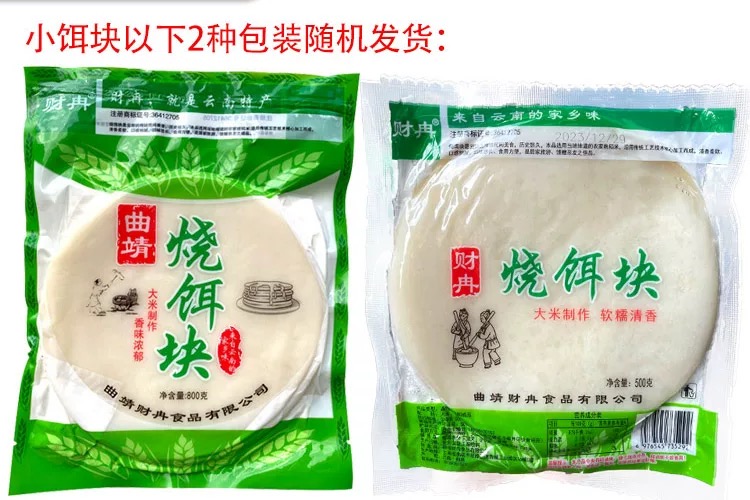


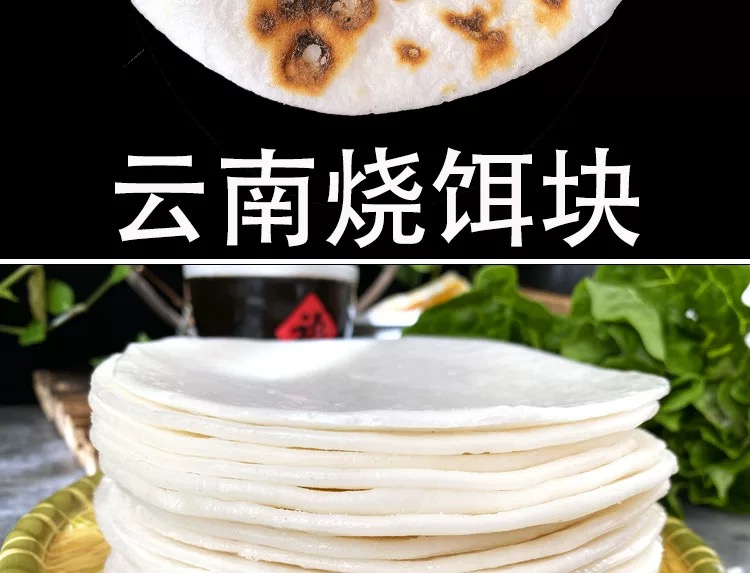
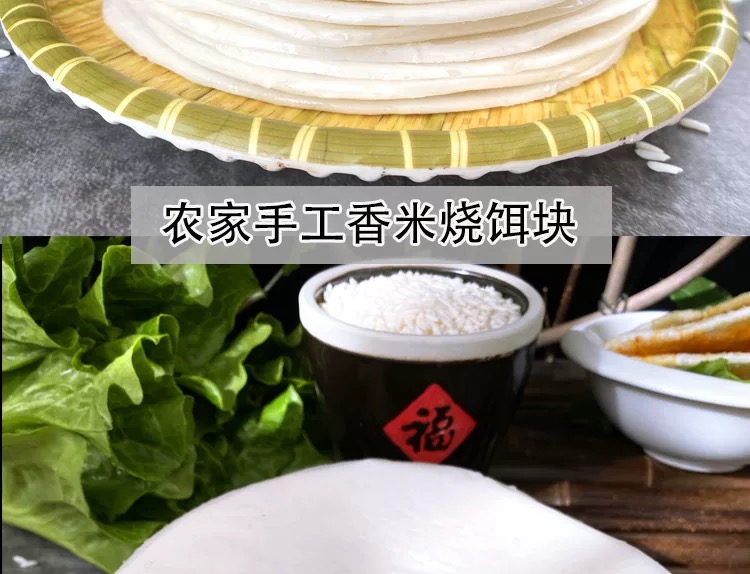
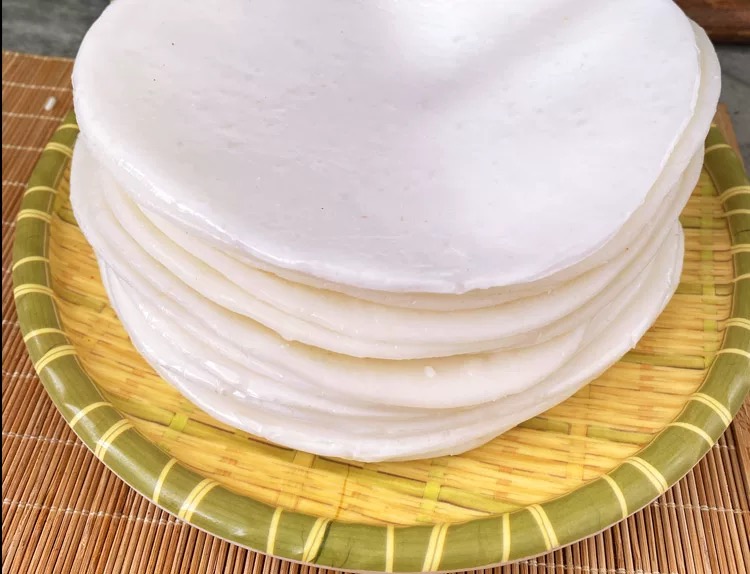
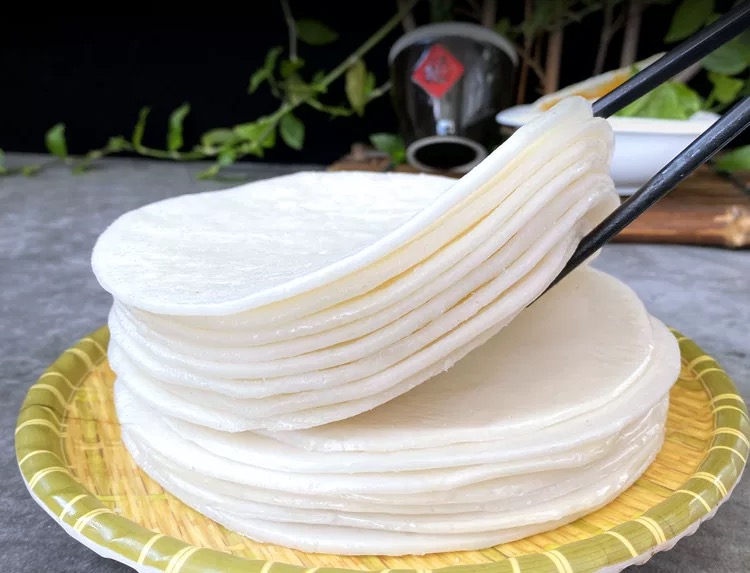
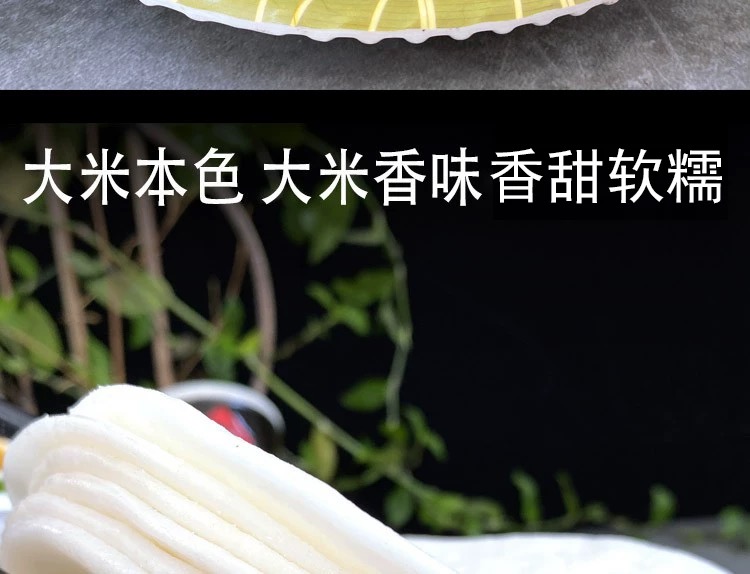
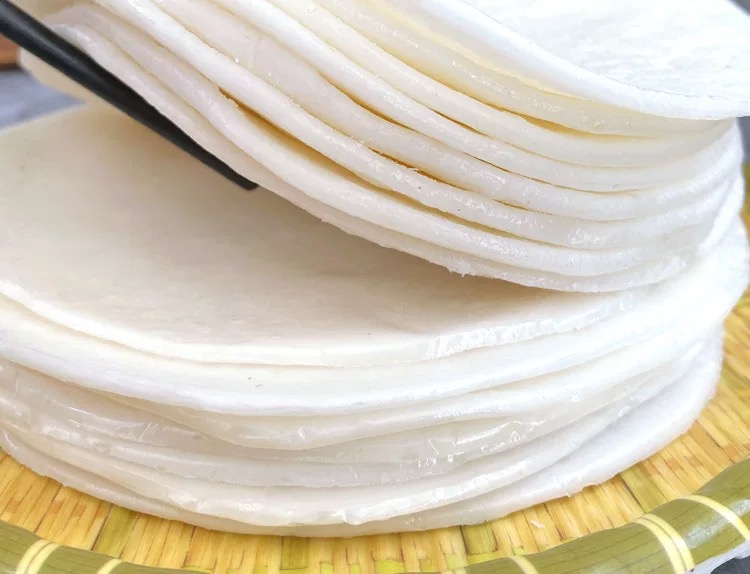
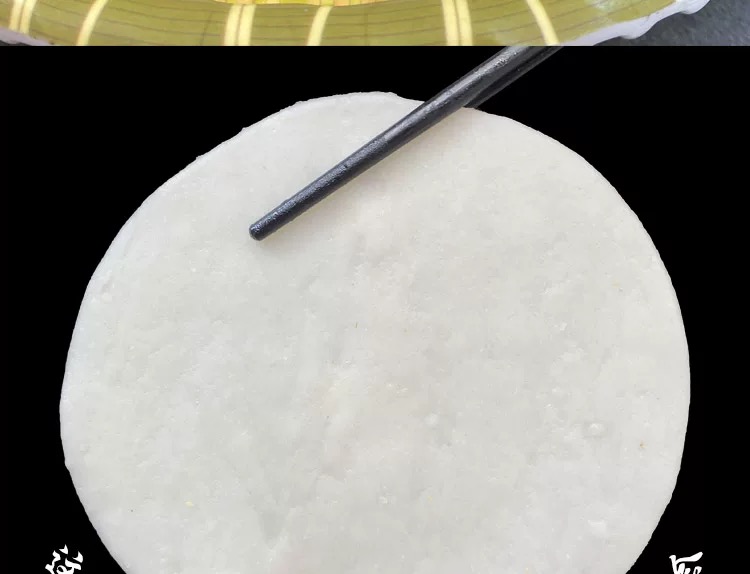
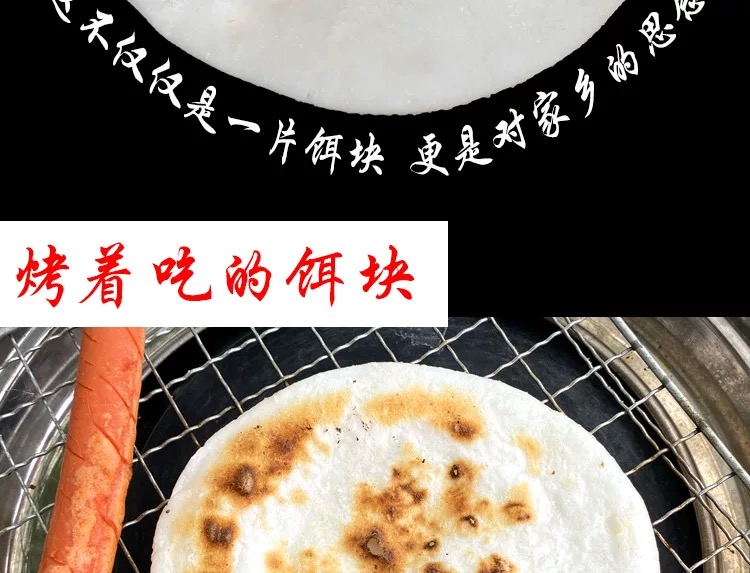
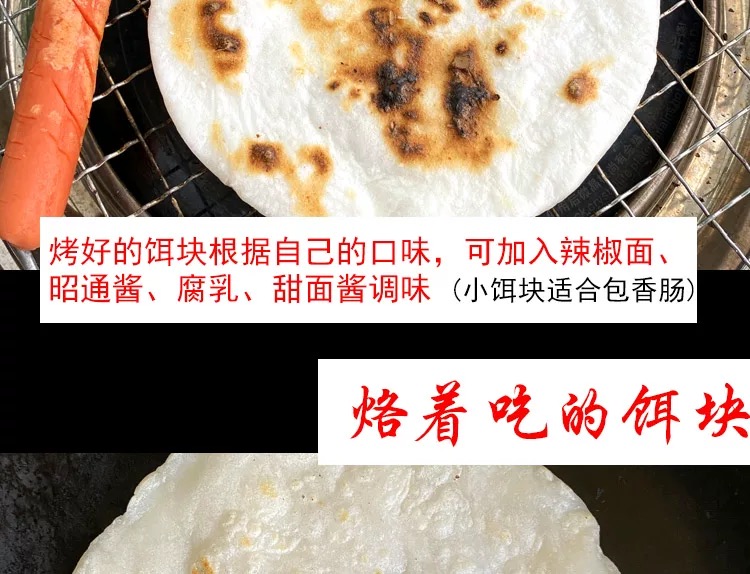
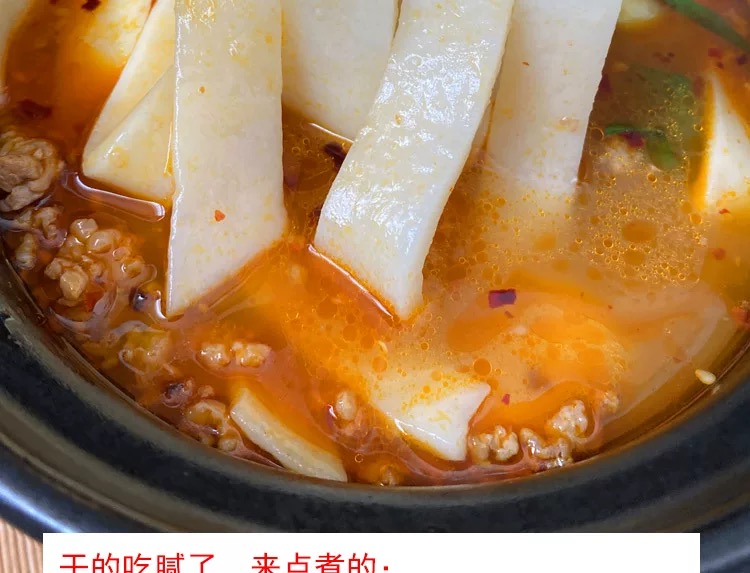

Qujing Roasted Erkuai (Yunnan)
As a classic traditional breakfast in Qujing, Yunnan, roasted erkuai carries rich local culture and life vibes. Here is an introduction to it:
Historical Origin
Erkuai originated from Yunnan's ancient rice-farming culture, with its embryonic form emerging as early as the Neolithic Age. Its production process gradually matured during the Tang Dynasty. In the Ming and Qing dynasties, with the influx of immigrants from Central China, the ways to enjoy erkuai became more diverse, and roasted erkuai gradually became a favorite breakfast among Yunnan people.
Production Process
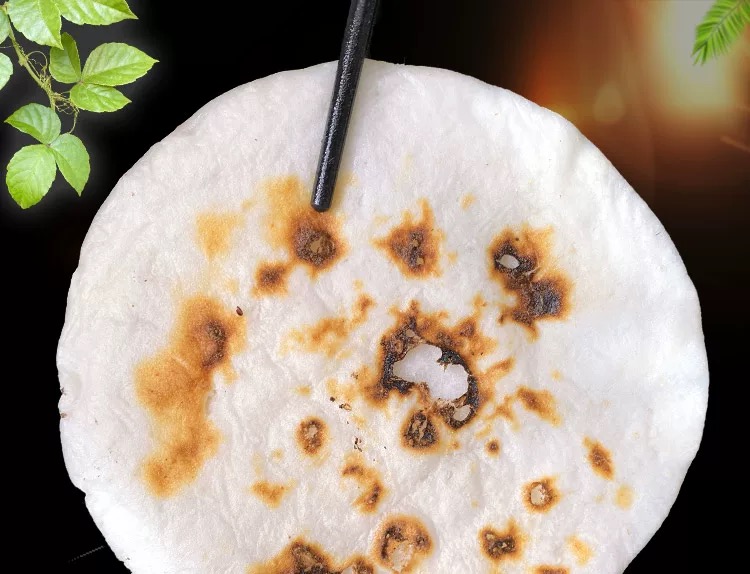
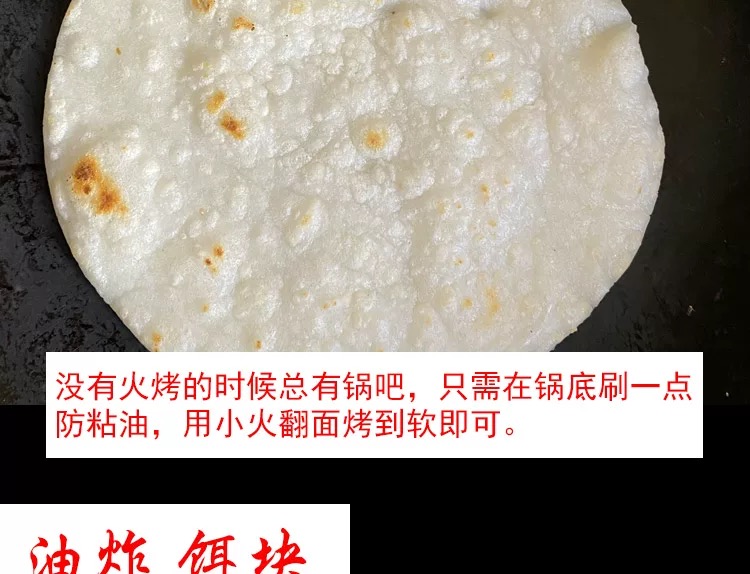
Selected local pearl indica rice is soaked, ground into pulp, steamed, and dried to semi-moisture before being cut into thin slices. Red-hot charcoal is used to roast the thin erkuai slices until the surface forms amber cloud-like patterns and the edges bubble with fine crisps.
Flavor Characteristics
Qujing's roasted erkuai favors the addition of Chinese chives flower paste, whose unique spiciness contrasts sharply with the rice aroma, leaving a memorable aftertaste. Additionally, it is paired with a secret sauce made from brown sugar and honey, creating an interplay of sweet and savory flavors.
Topping Combinations
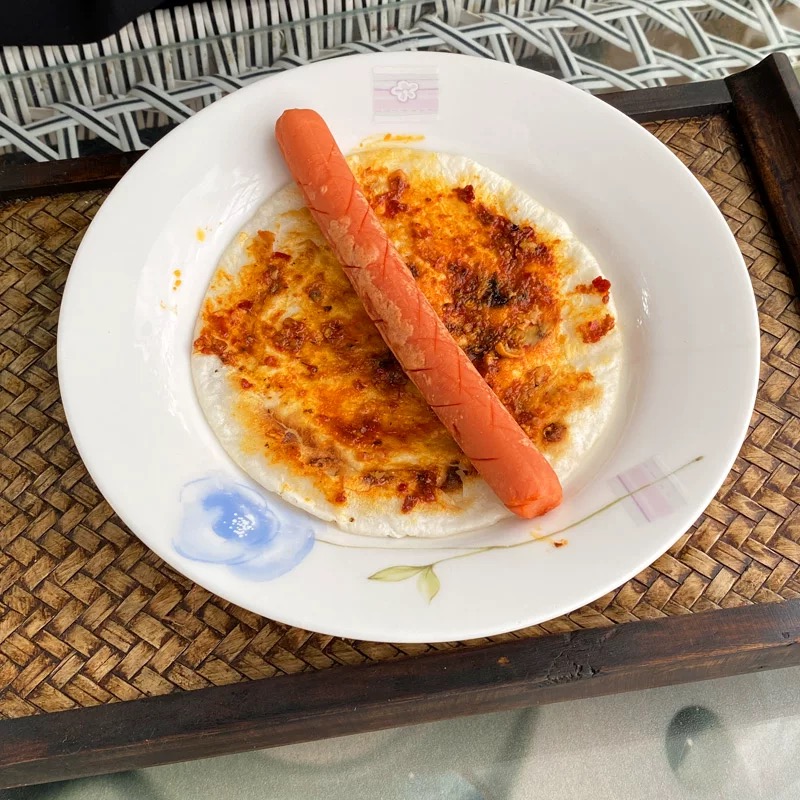
The classic "full set" combination involves layering braised beef slices, crushed peanuts, coriander, chili oil on the crispy erkuai, then sprinkling with toasted sesame seeds—offering a rich and multi-layered texture.
Cultural Significance
Roasted erkuai is an indispensable part of Qujing people's lives. It is a memory of childhood, a spiritual sustenance for overseas villagers returning home, and a medium for neighborhood communication during festivals, carrying the local customs and cultural traditions.