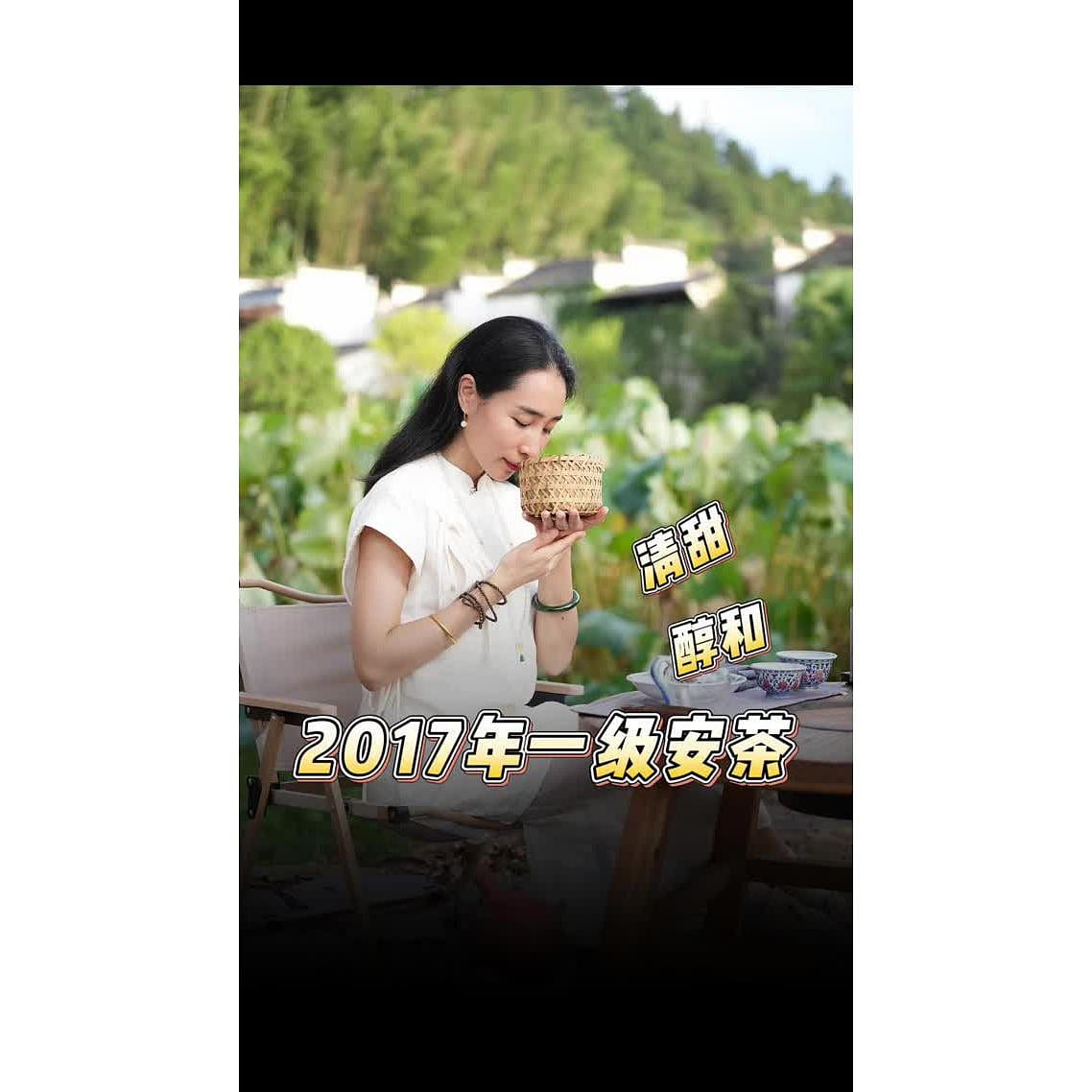

2017 Grade One Qimen An Tea Lao Liu An 40 g
$0.72/그램
제품 상세 정보
원산지:중국 대륙단위량:40 그램상표:Shijie Tea
설명
Qimen An Tea, commonly known as Lao Liu An 老六安 or Soft-Branch Tea 软枝茶, is a representative post-fermented compressed tea within the Chinese dark tea tradition. It was first created during the Ming dynasty and flourished in the Qing dynasty, with a history spanning over six hundred years. It is a nationally protected geographical indication product, primarily produced in Luxi Township, Qimen County, Huangshan City, Anhui Province. Qimen An Tea is renowned for its layered and complex aroma. High-grade An Tea is characterized by the hallmark “Three Aromas in One”: the tea’s own elegant floral fragrance, the fresh scent imparted by bamboo baskets, and the herbal aroma contributed by Ruo Leaves 箬叶. These aromas merge harmoniously into a refined composite profile. With continued aging, the Ruo Leaves aroma gradually transforms into a deep, subtle, and restrained fragrance known as “aged ruo-leaf incense,” lifted yet never sharp, lingering and stable.
This tea is a 2017 vintage, Grade One Qimen An Tea, produced in strict accordance with traditional methods and naturally aged over time, fully expressing An Tea’s defining principle that quality improves with age. The dry leaves are tightly rolled and uniform, with a dark brown, glossy appearance and a calm, settled aroma. When brewed, the liquor appears bright and clear, ranging from golden orange to reddish orange in color. The taste is clean yet full-bodied, smooth and gentle on the palate, with minimal bitterness or astringency, a distinct returning sweetness, and sustained salivation. After years of natural aging, the tea becomes increasingly mellow, with a more rounded texture and enhanced depth.
The tea is made from fresh leaves of the local Qimen Zhuye species tea trees, harvested within a strictly defined period of approximately ten days around the Grain Rain solar term. The plucking standard includes one bud with two or three leaves, or paired leaves. Production consists of two main stages: primary processing and refinement, with the “Autumn Dew” step regarded as the core of the traditional craft. This process is carried out during the White Dew solar term, allowing the dried tea to be gently moistened by natural dew to reduce excess heat and harmonize the tea’s character. The finished tea was traditionally wrapped in ruo leaves and stored in bamboo baskets for whole-basket aging, and was later portioned in October 2025 while maintaining consistent raw material integrity and stable aging conditions. Its maturation history is clearly traceable, ensuring reliable and well-preserved quality.
반품 정책
자세히 보기
고지사항
Weee! 웹 사이트 및 앱에 있는 제품 설명은 정보 알림용 목적으로만 제공됩니다. 당사 면책조항 보기
 에서 판매하기
트렌드

