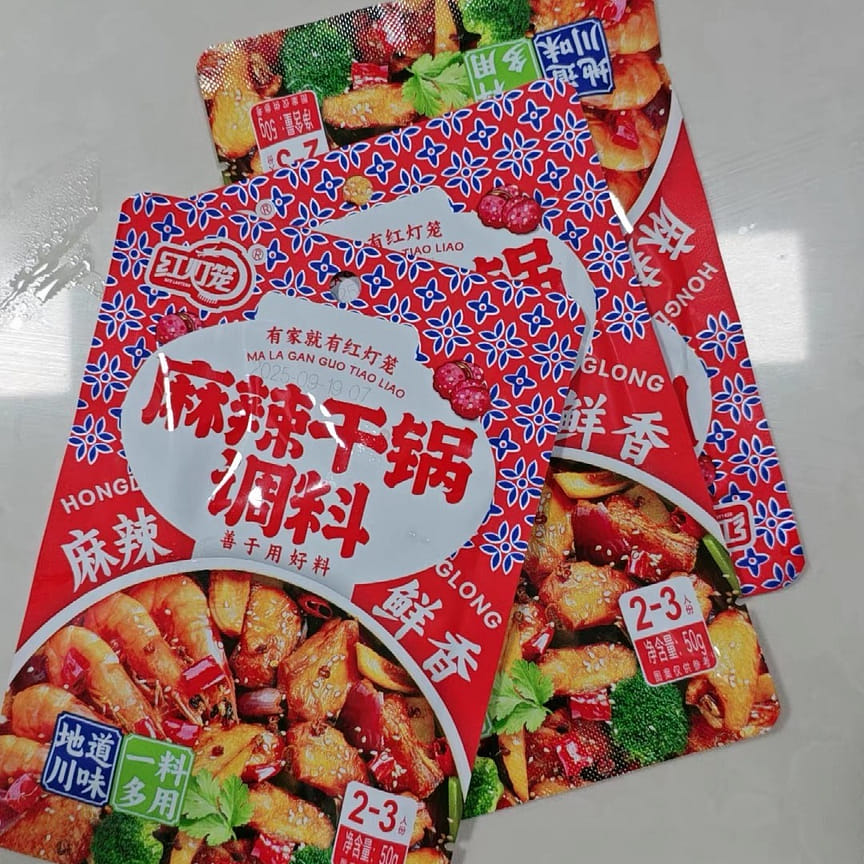
Description
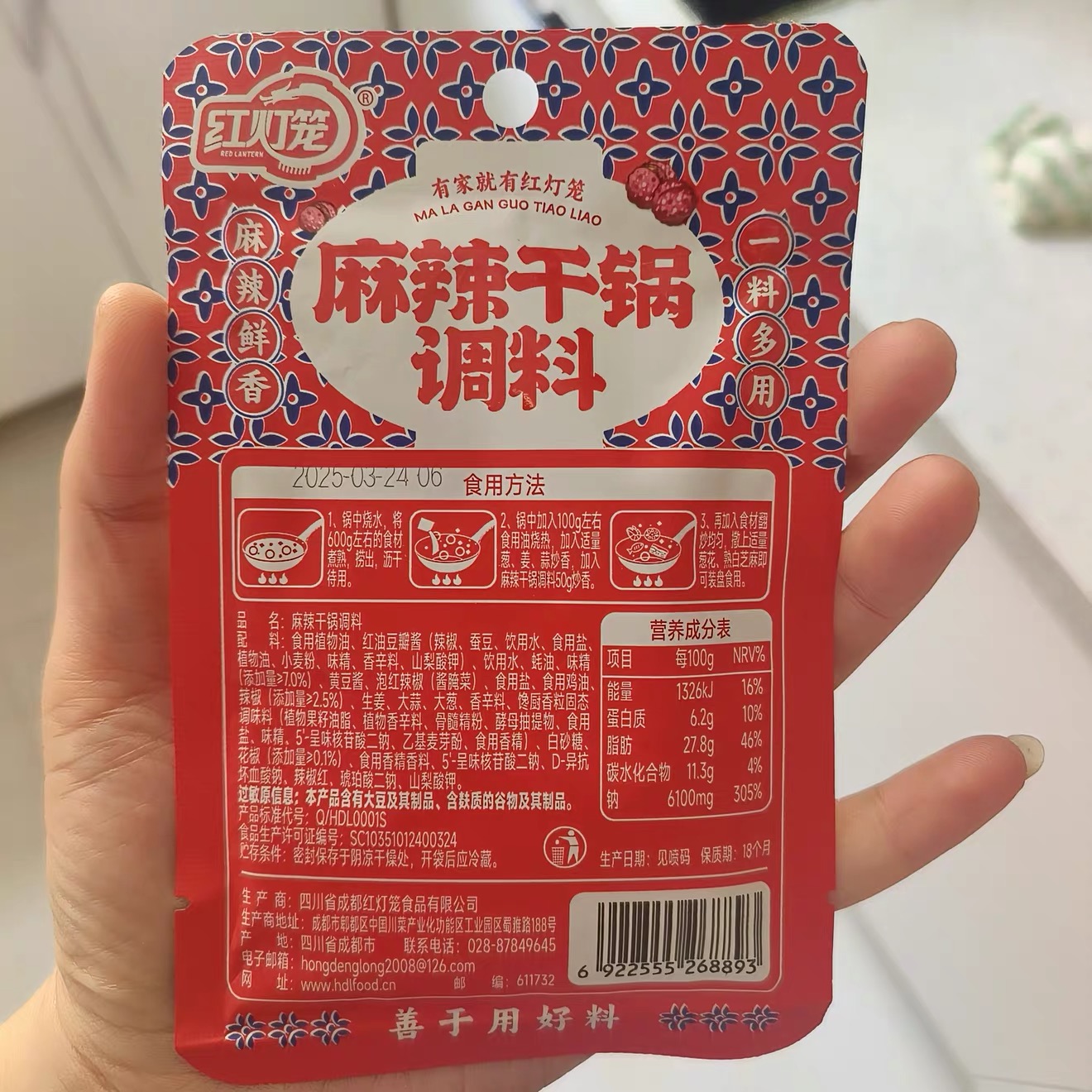
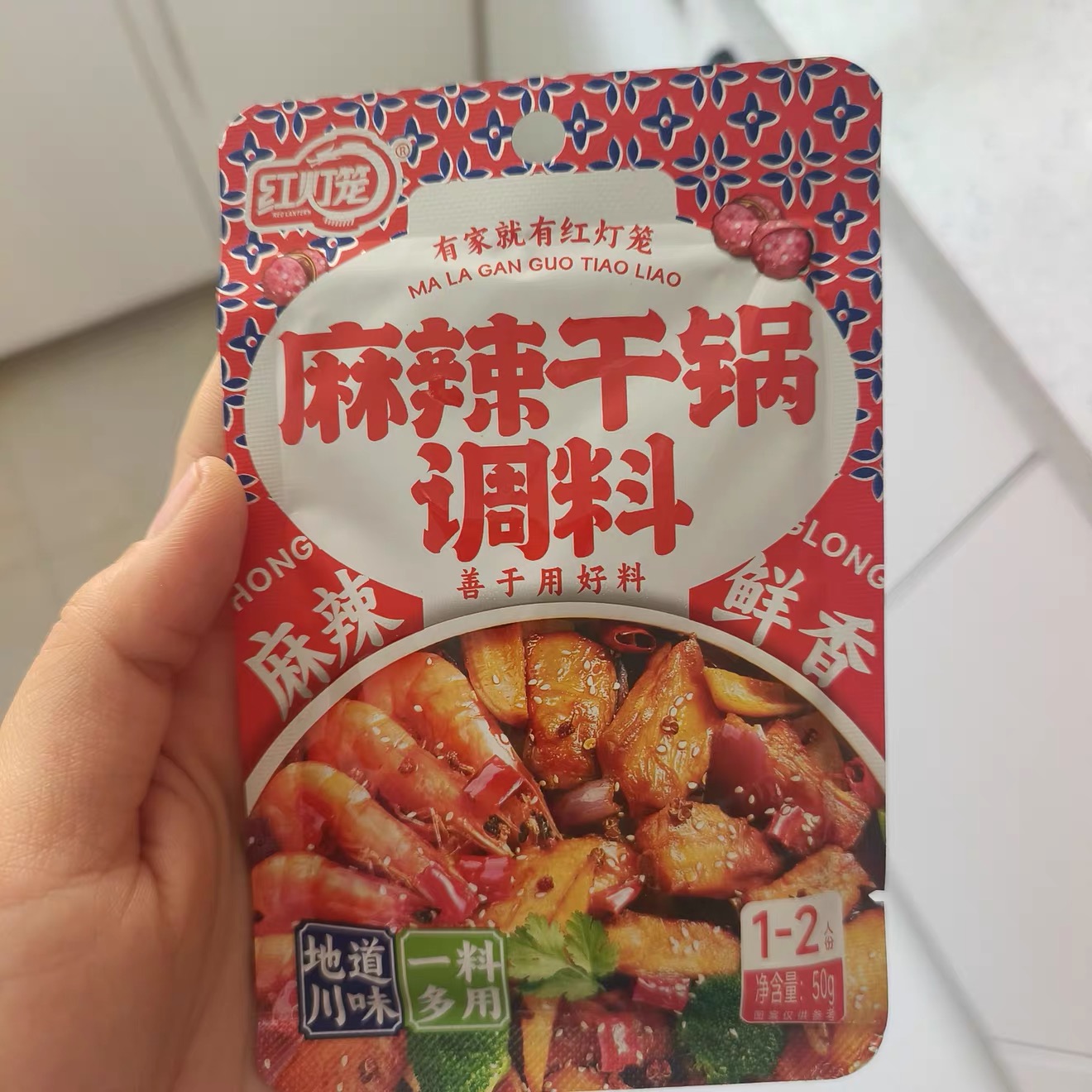
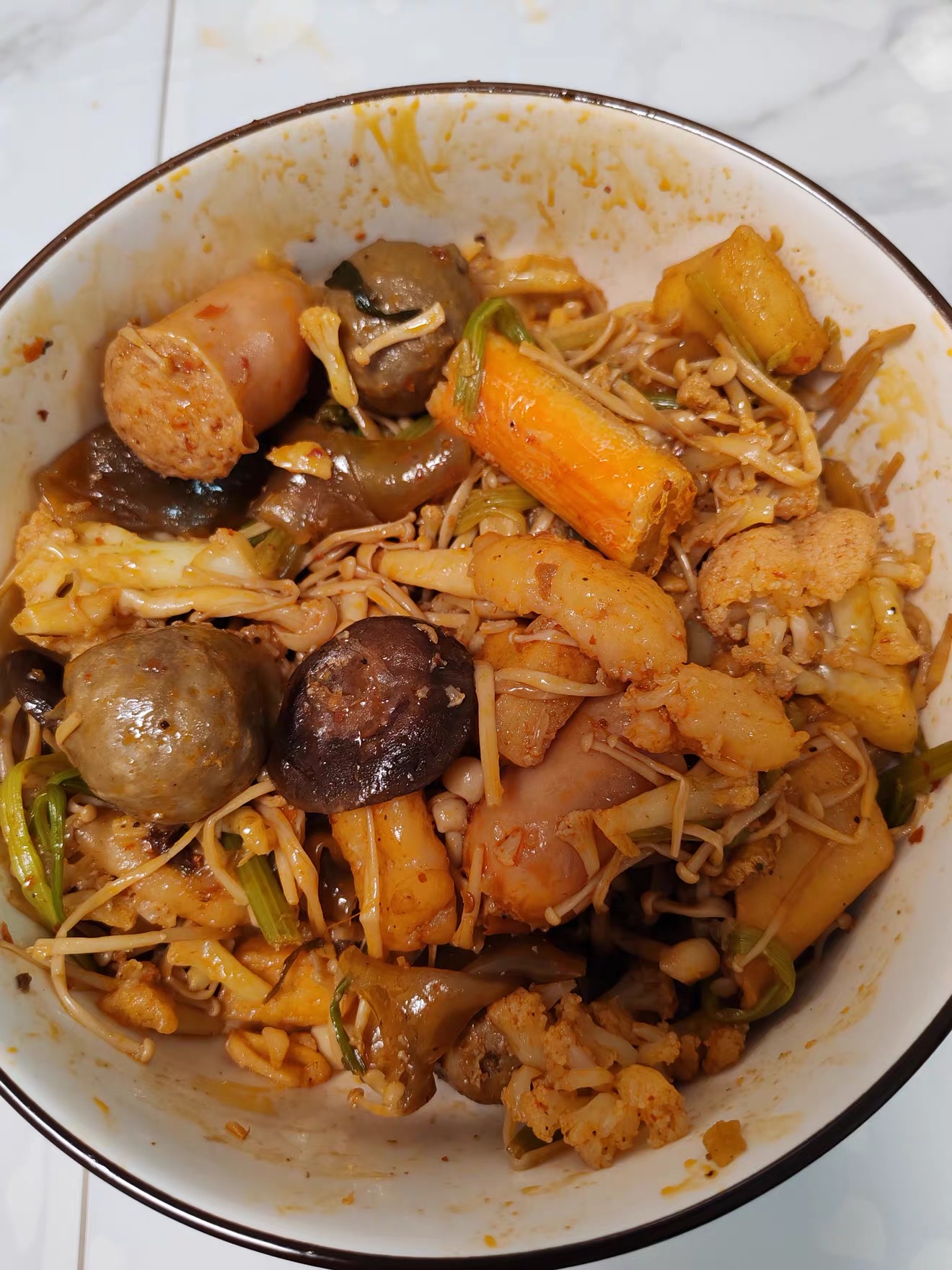
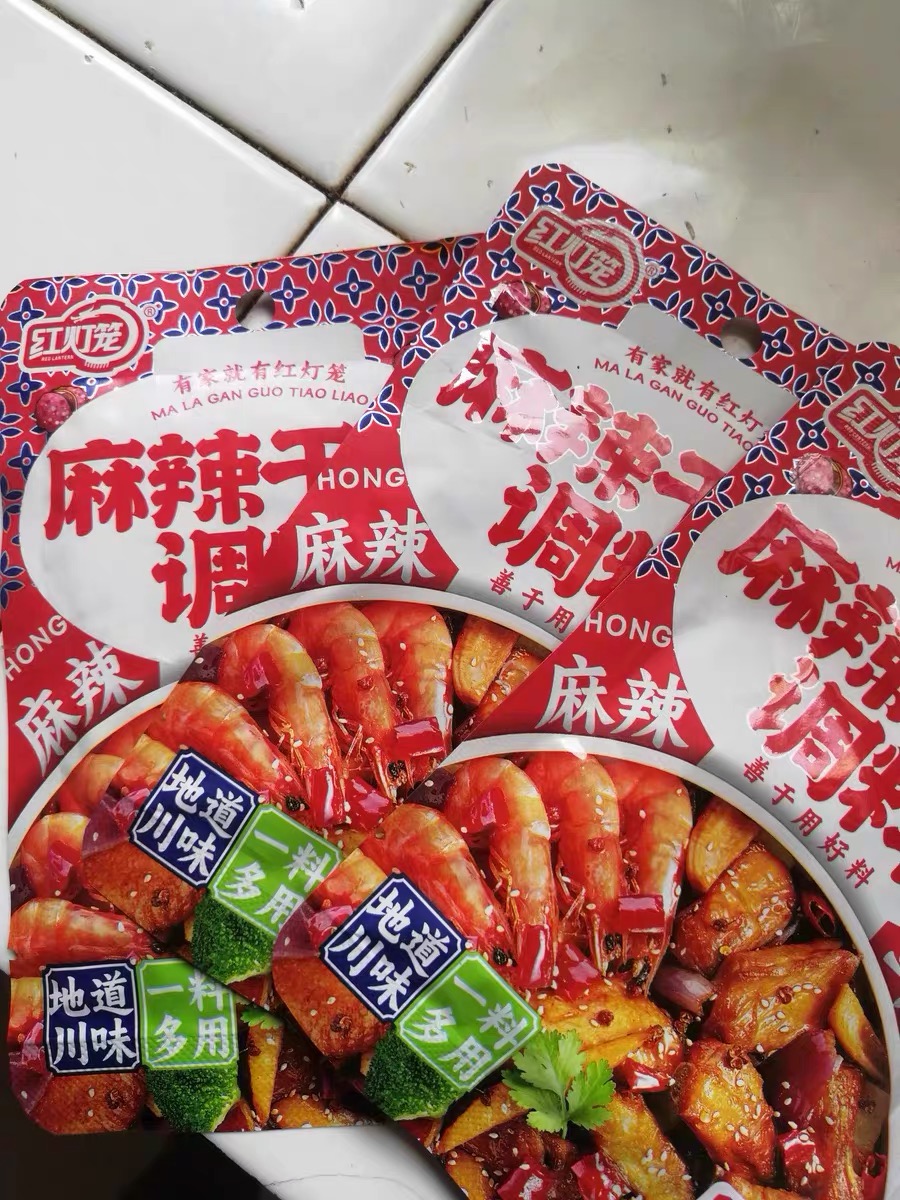
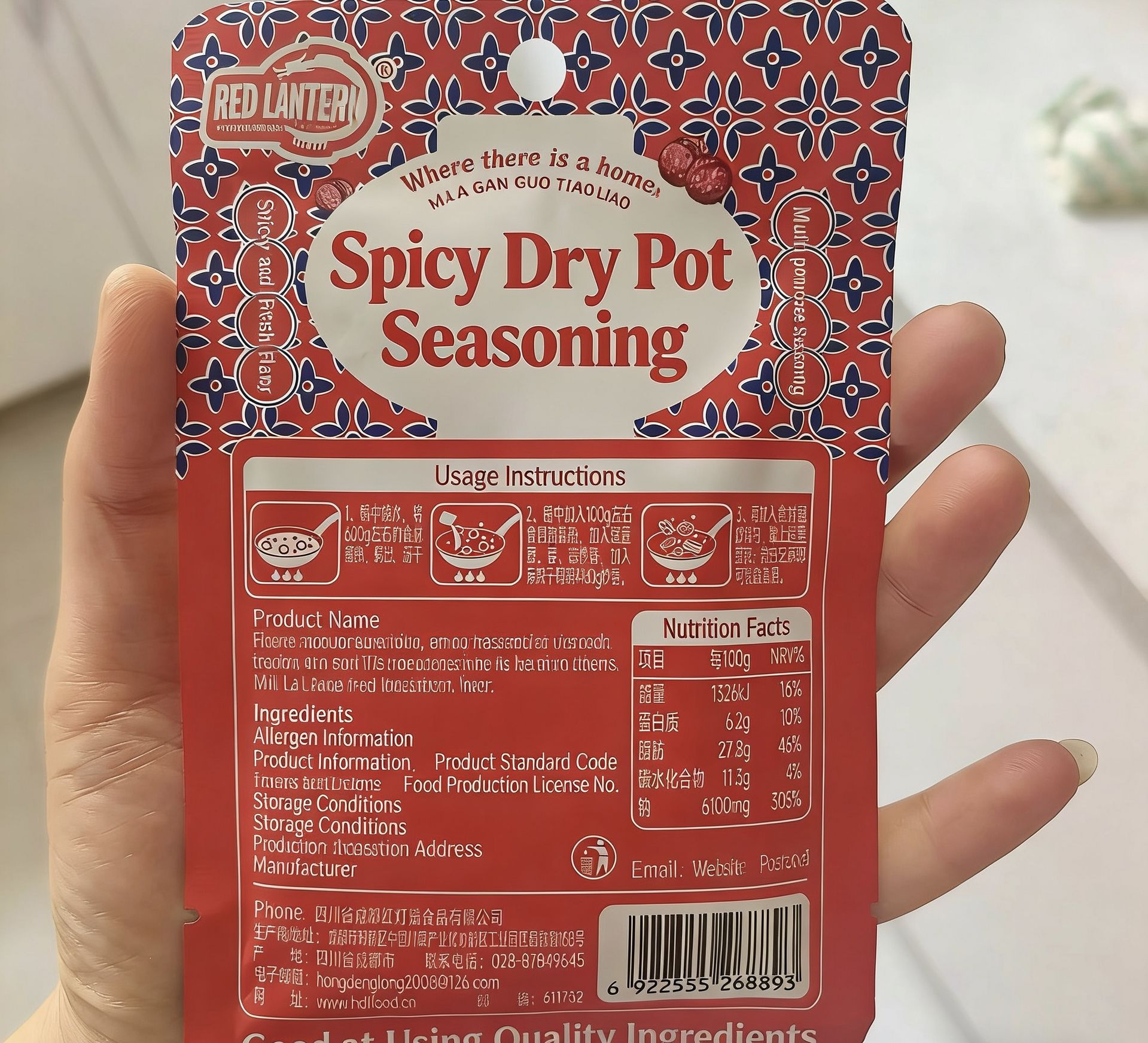
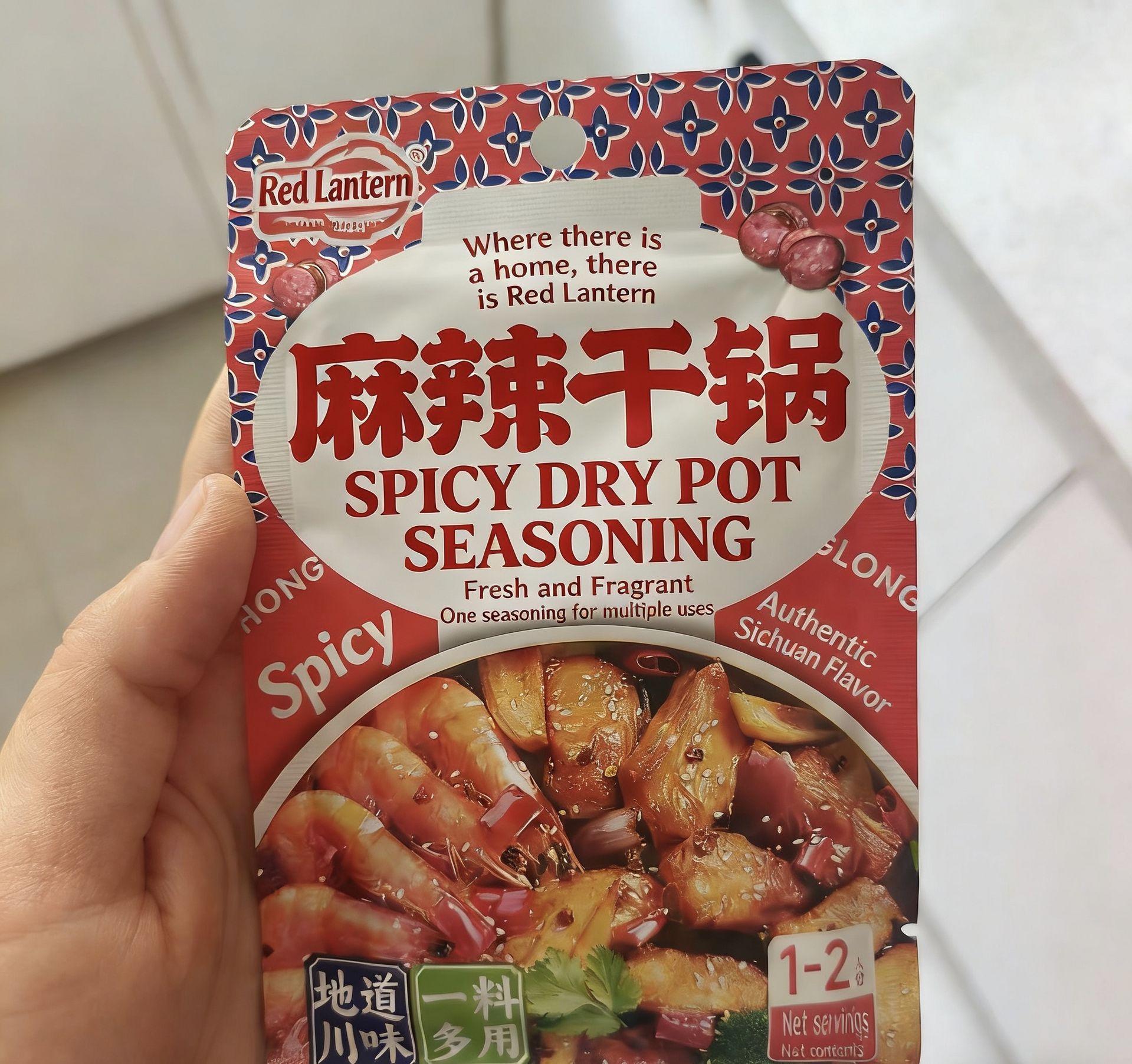
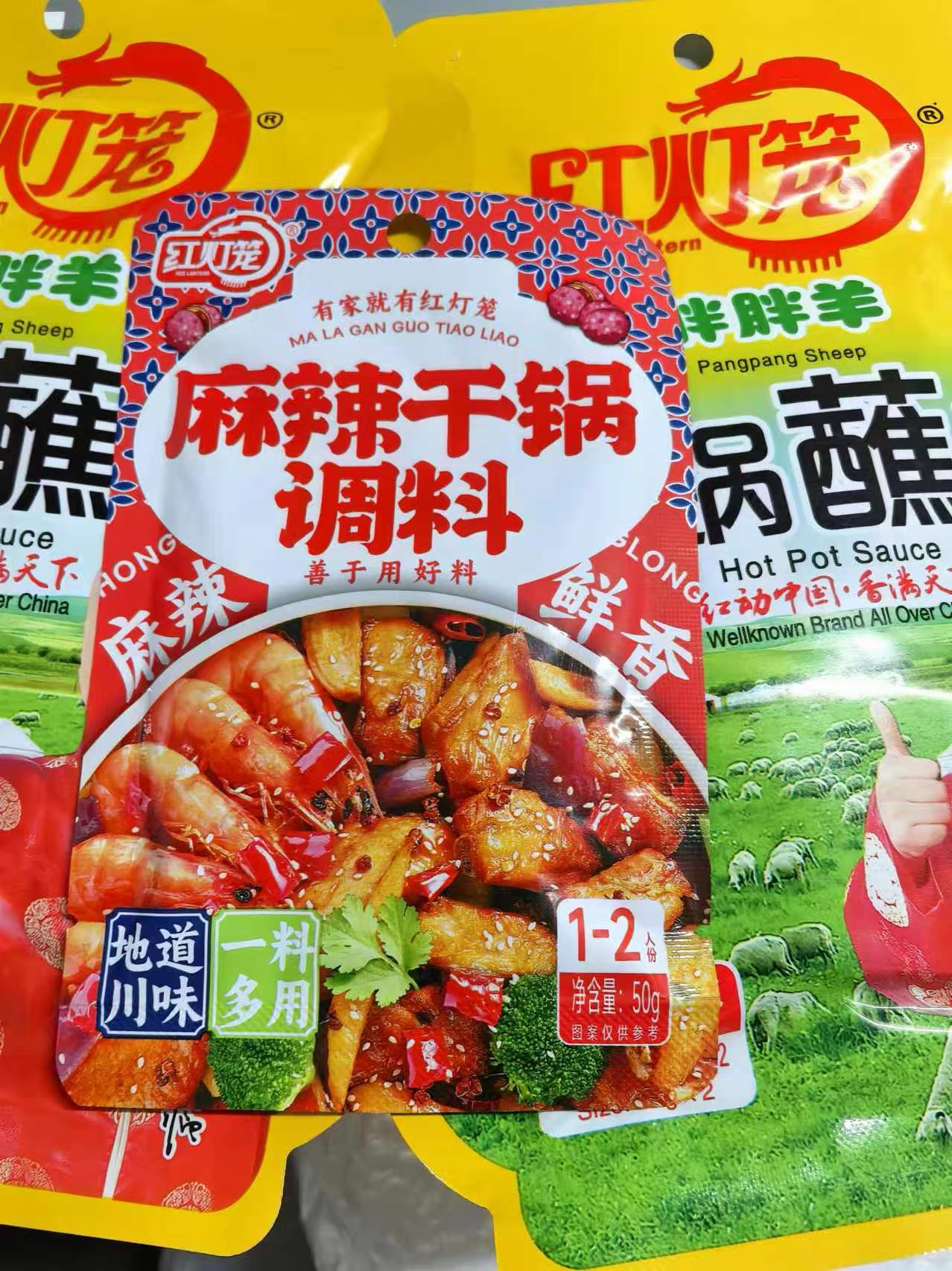
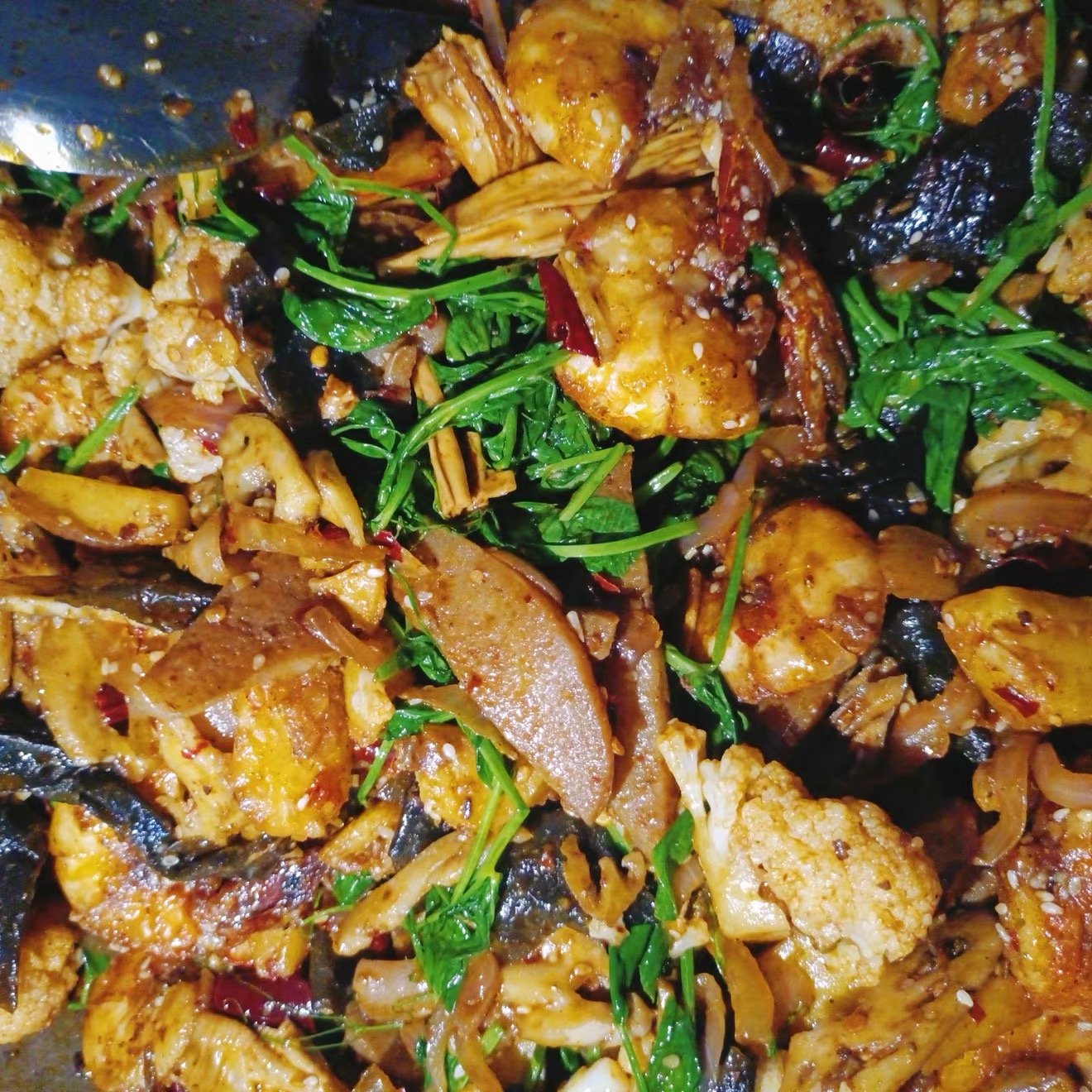
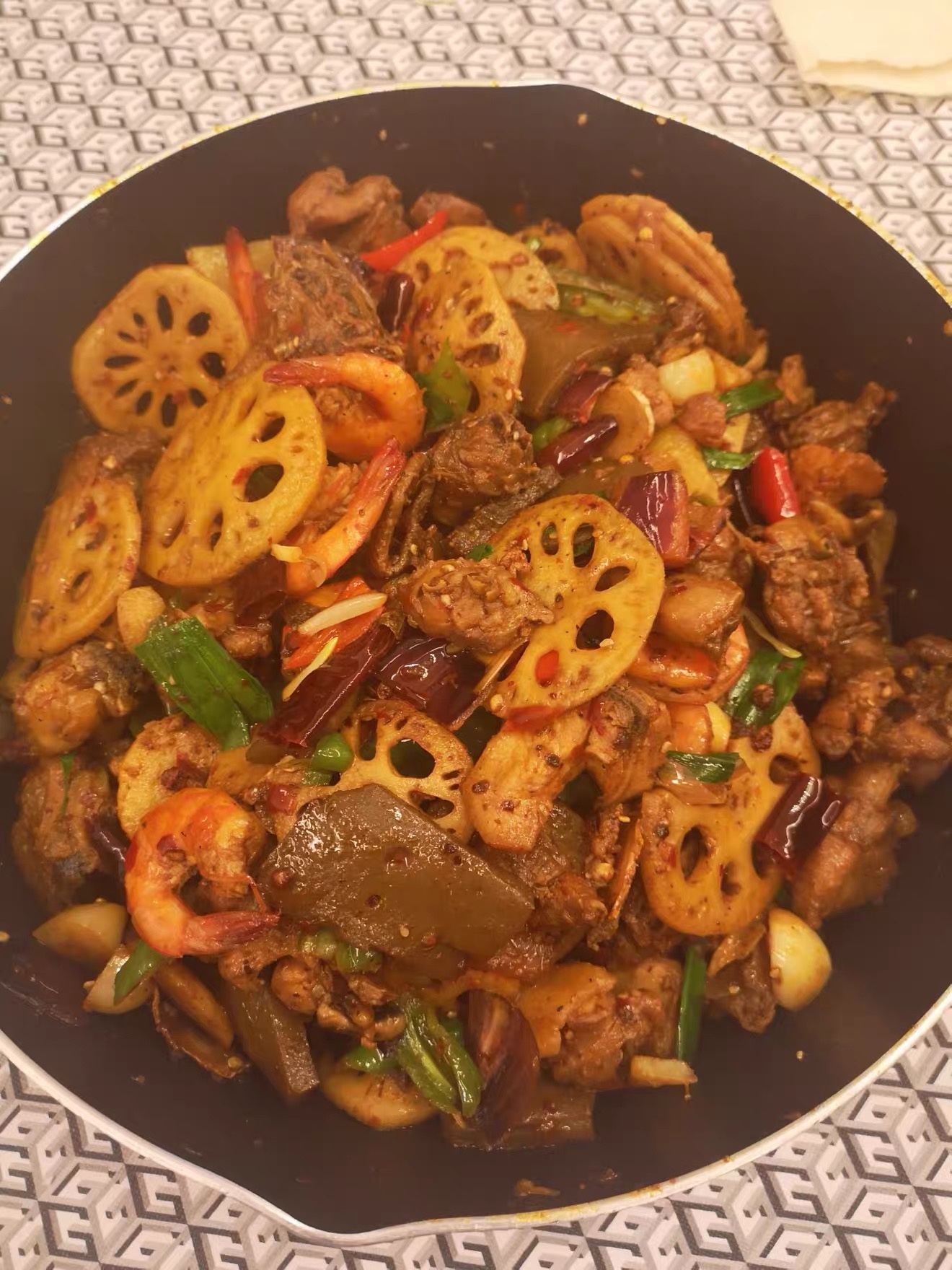
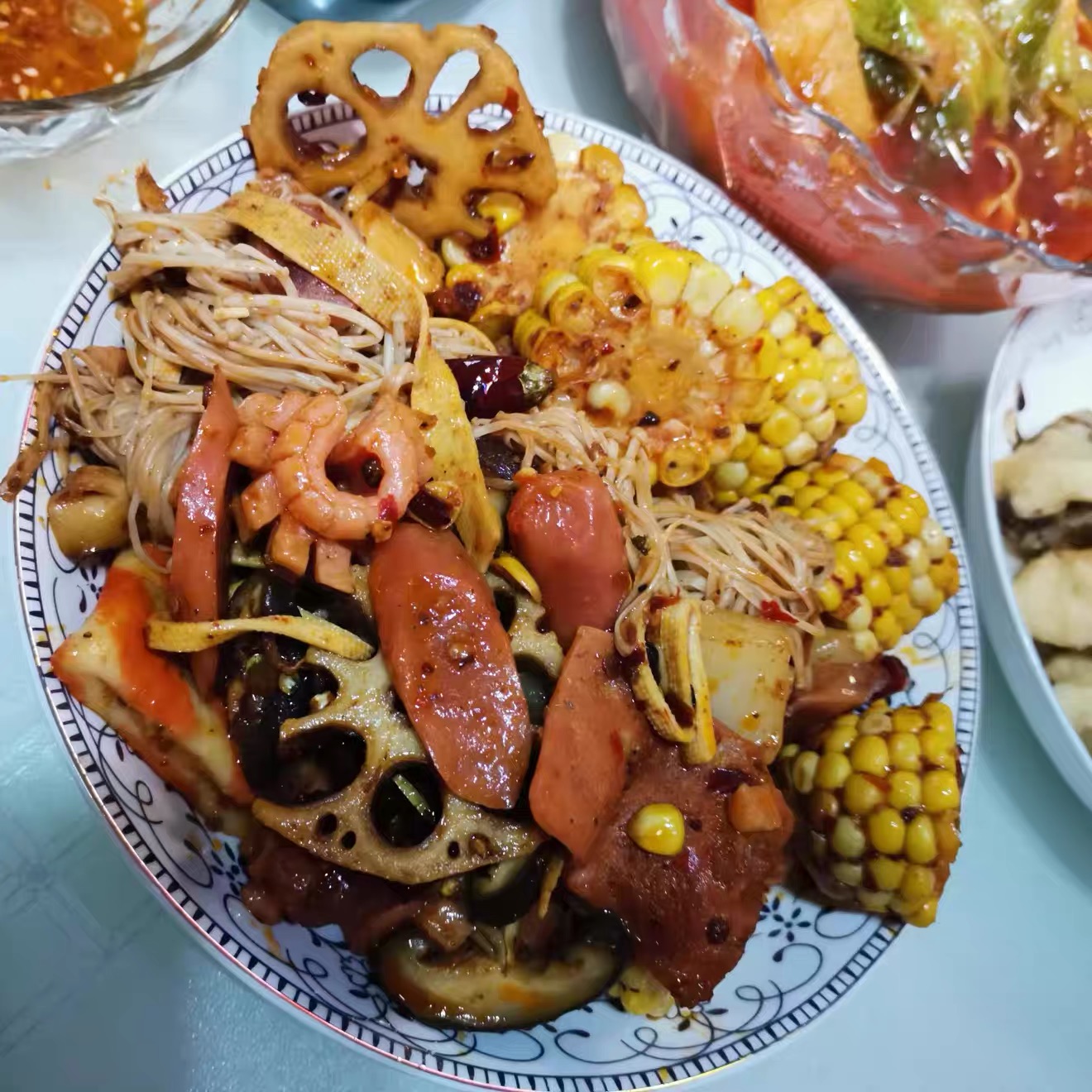
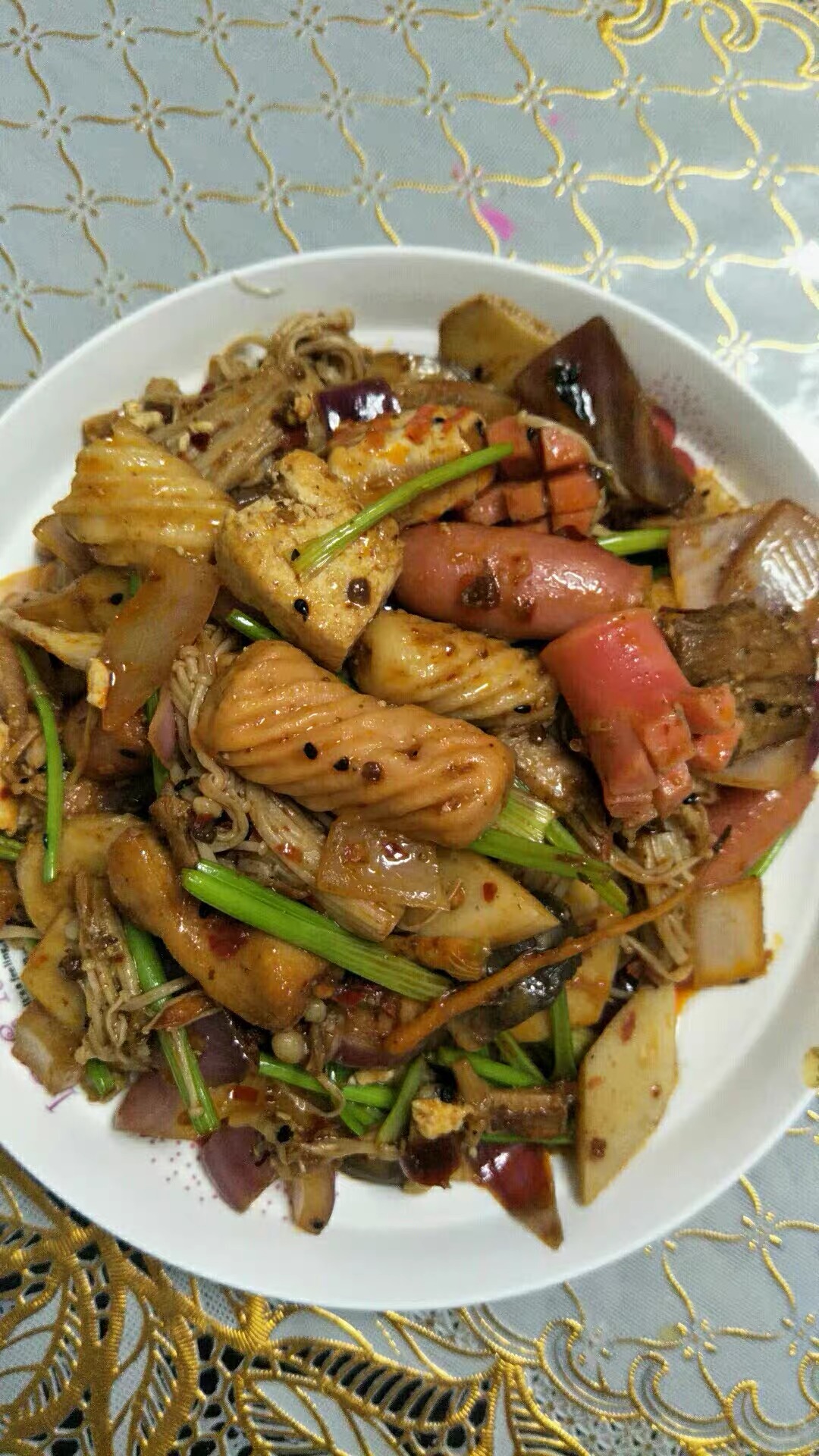
Introduction to Mala Xiangguo
Mala Xiangguo is a iconic spicy dish of Sichuan and Chongqing cuisine that originated in Jinyun Mountain of Chongqing and gained popularity across China. It features the core characteristics of numbing, spicy, fresh, aromatic, rich and oily texture, as well as mixed ingredients. With a spicy yet not harsh taste, fresh without fishiness, a lingering fragrant kick on the first bite and a long aftertaste, it is a beloved delicacy suitable for both family meals and festive gatherings.
Its creation stems from the folk wisdom of daily life. Initially, it was a home-cooked dish where local people stir-fried a mix of meat and vegetable ingredients in one pot with spicy spices. Later, due to its rich flavors and free ingredient combinations, it gradually became one of the representative Sichuan dishes. There are also interesting legends about it, such as peasant soldiers cooking mixed ingredients together and ordinary people innovating with leftover dishes.
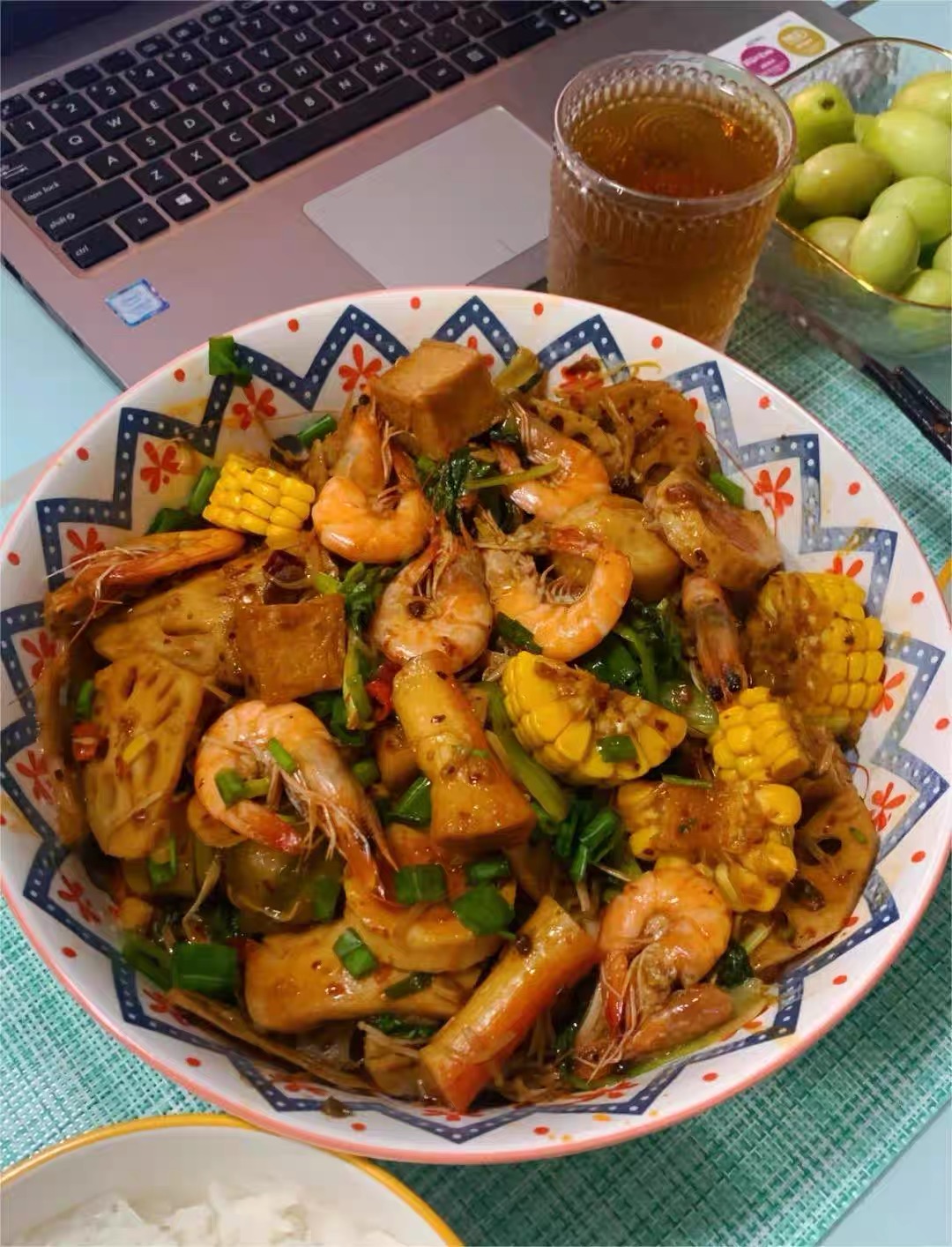
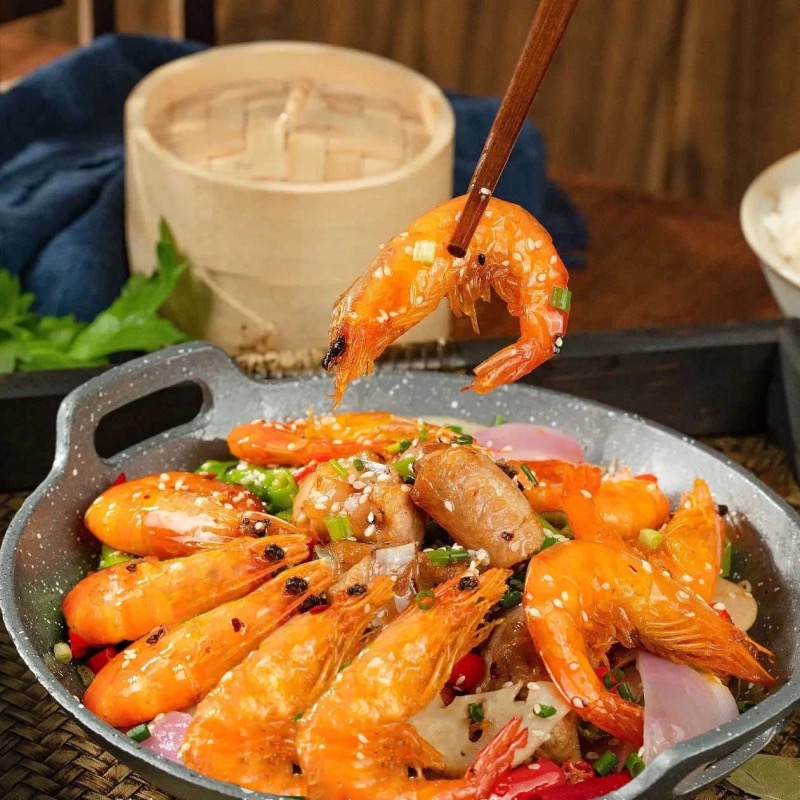
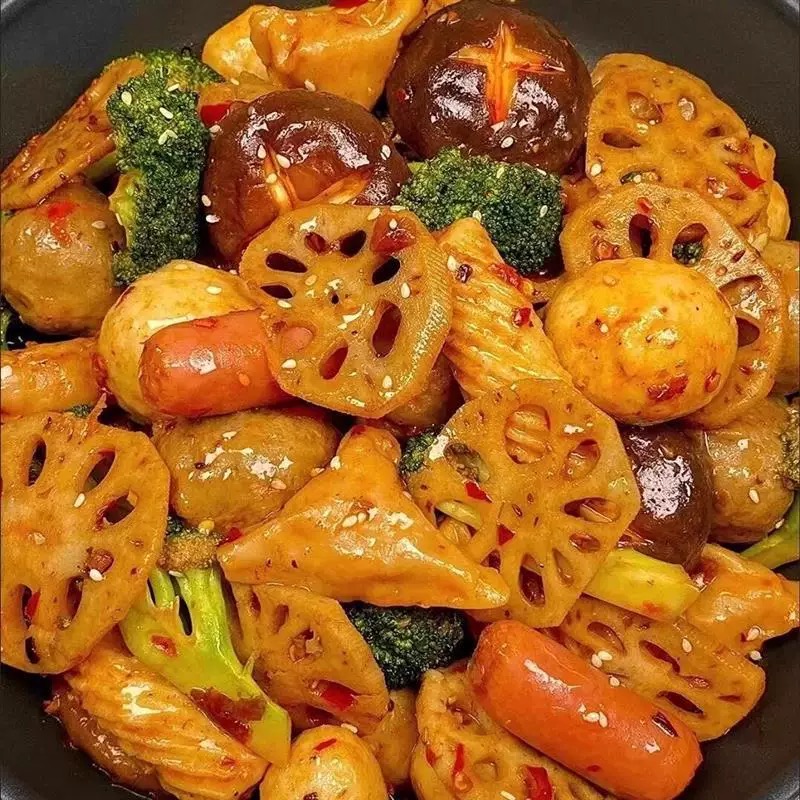
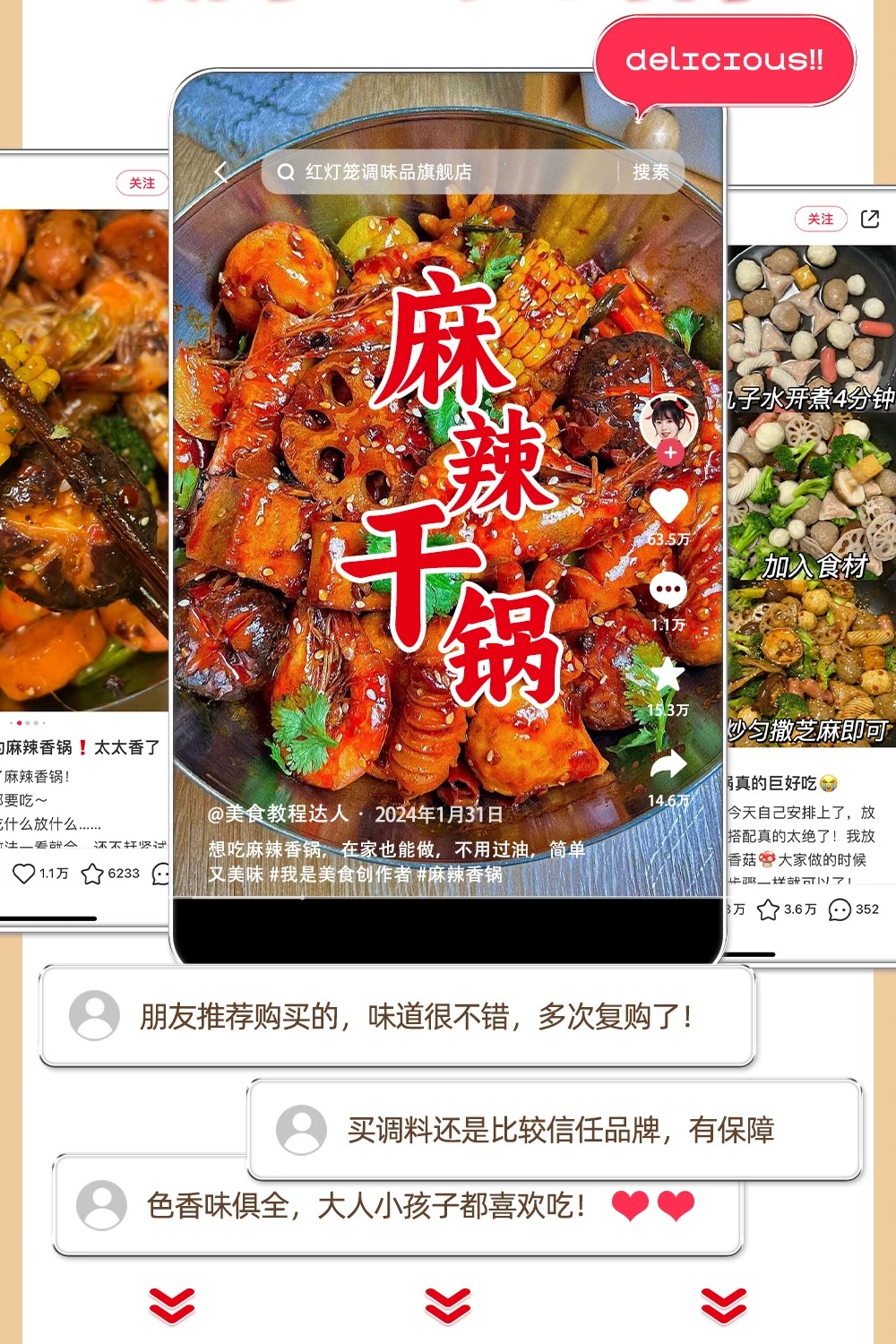
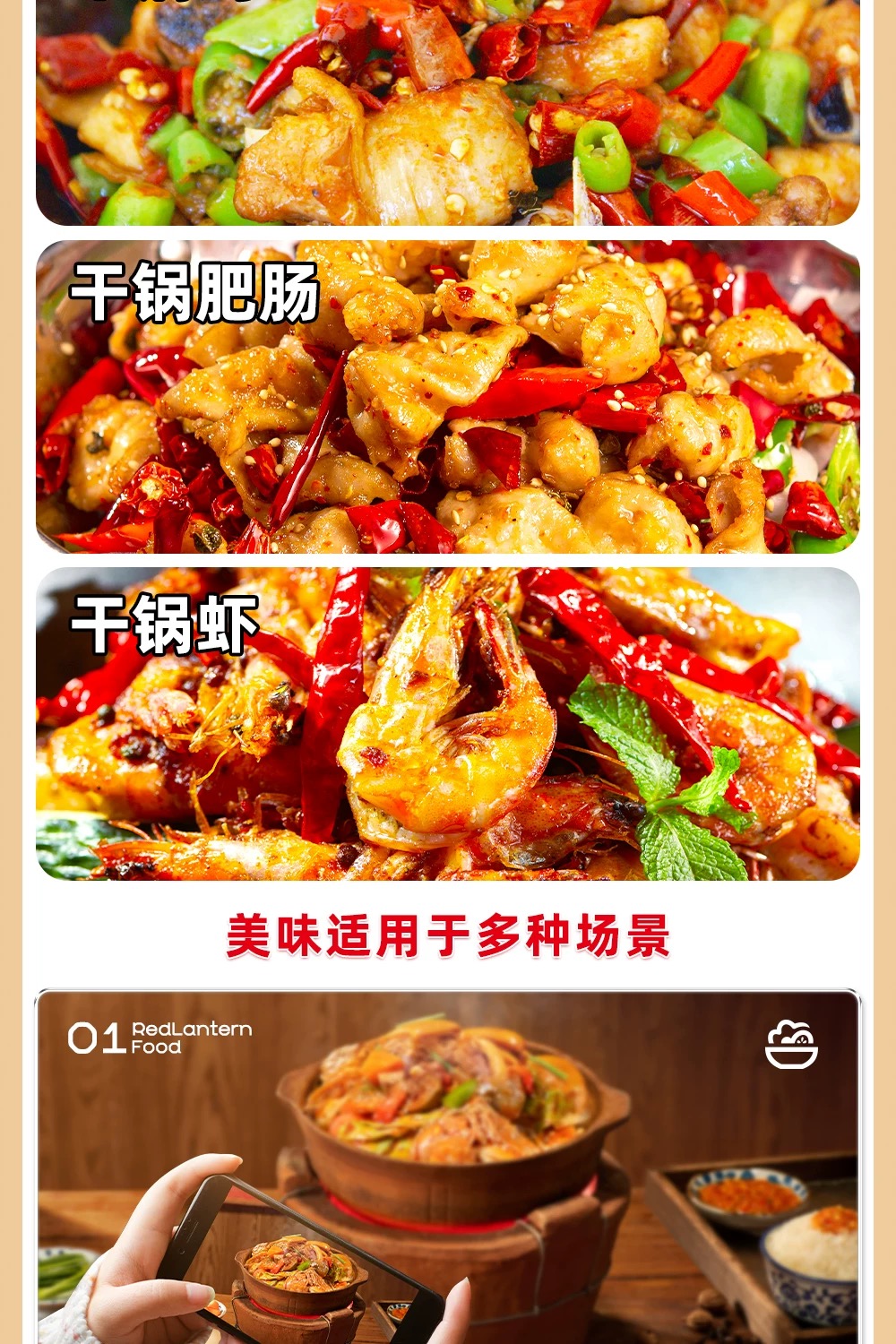
The greatest charm of Mala Xiangguo lies in its unlimited ingredient matching possibilities—almost all stir-fryable ingredients can be used. For meat ingredients, you can choose shrimp, squid, pork belly, beef tripe, various meat balls, etc. Classic vegetable ingredients include water chestnut, potato, enoki mushroom, yuba, konjac and other flavor-absorbing and stir-fry-resistant varieties. Bean products, seafood and edible fungi are also popular choices, catering to different taste needs such as carnivorous and vegetarian diets.
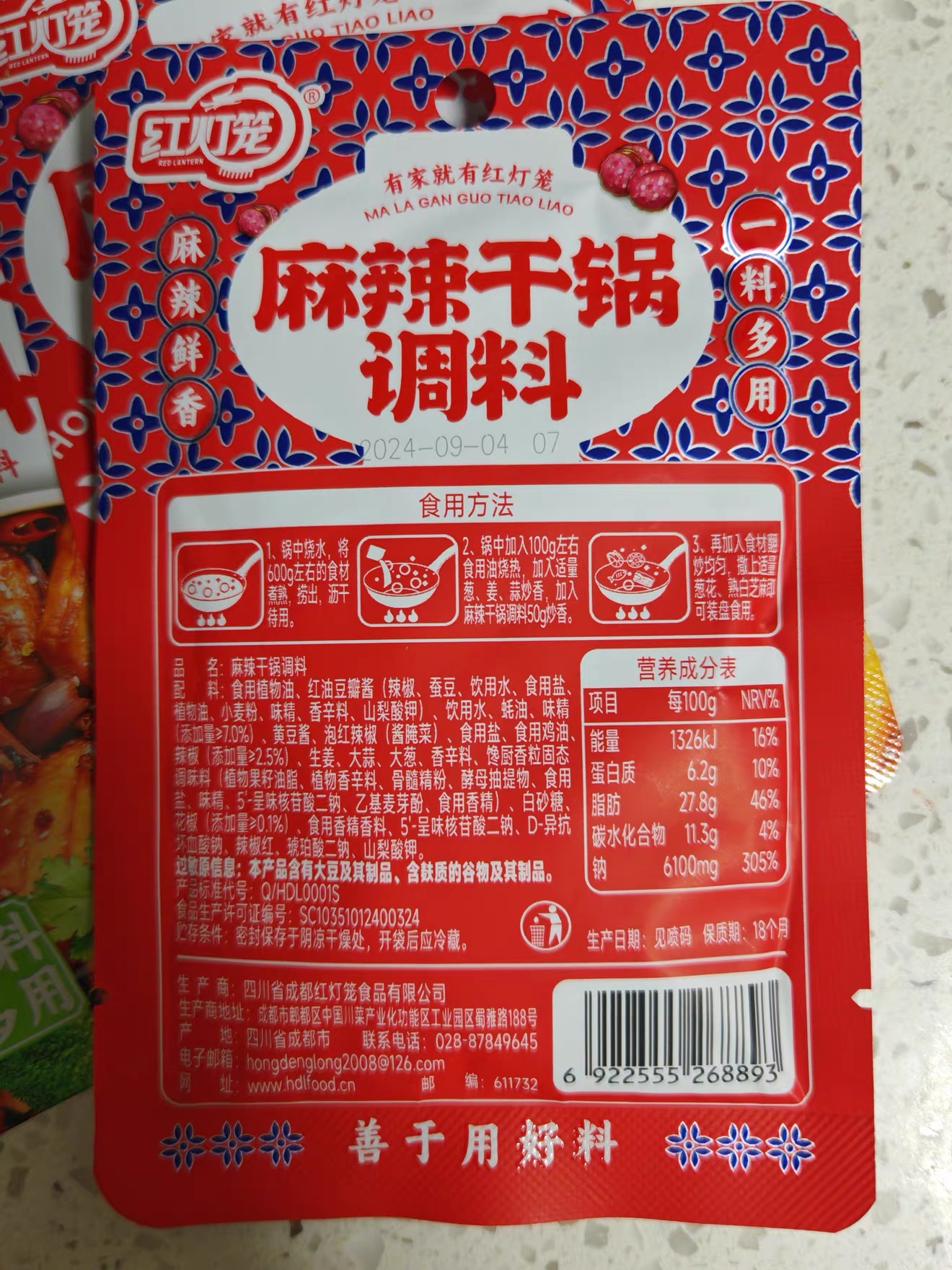
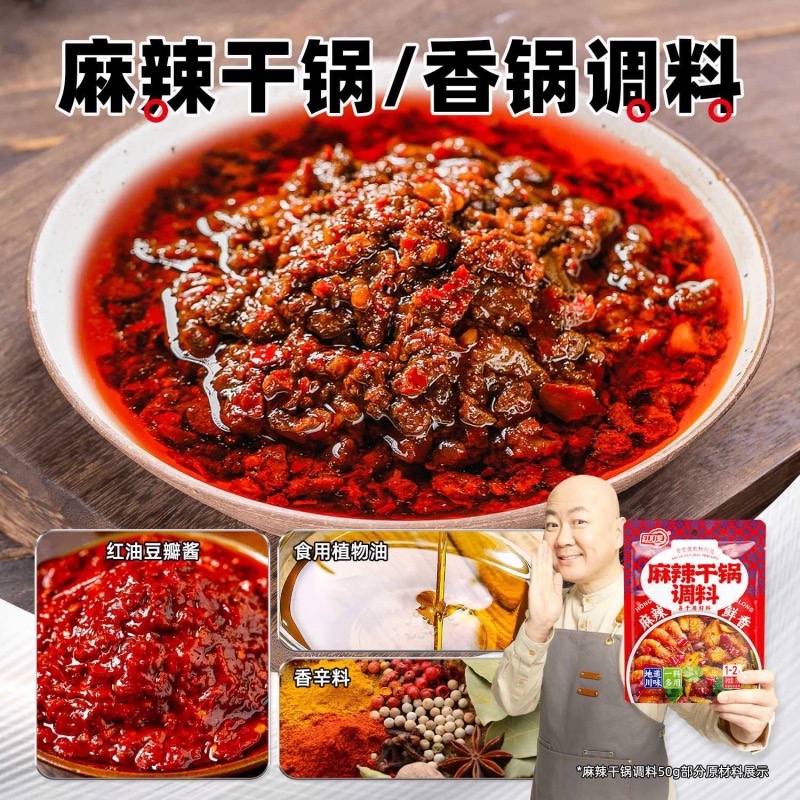
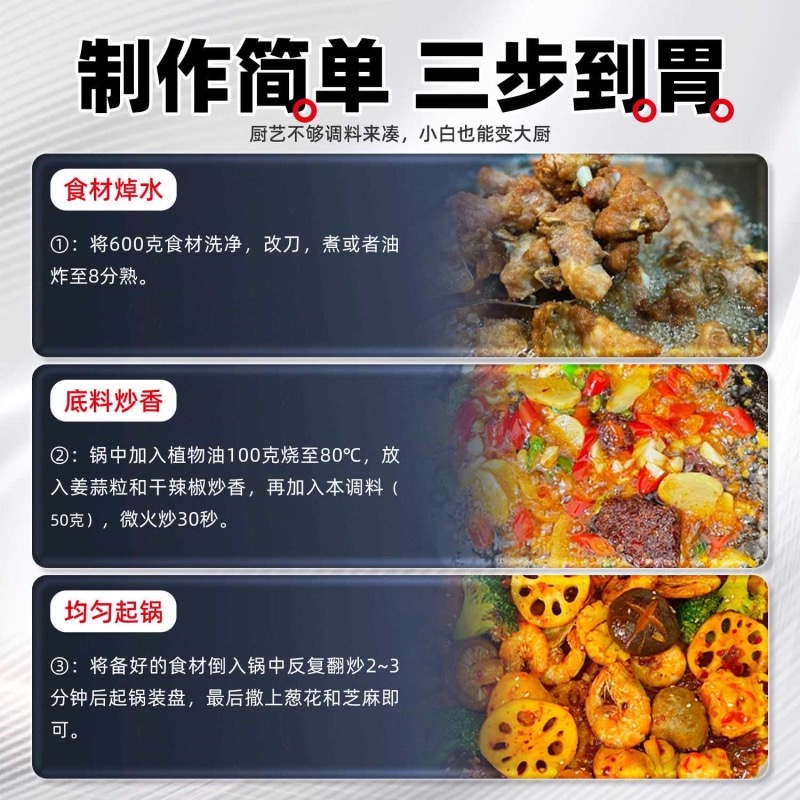
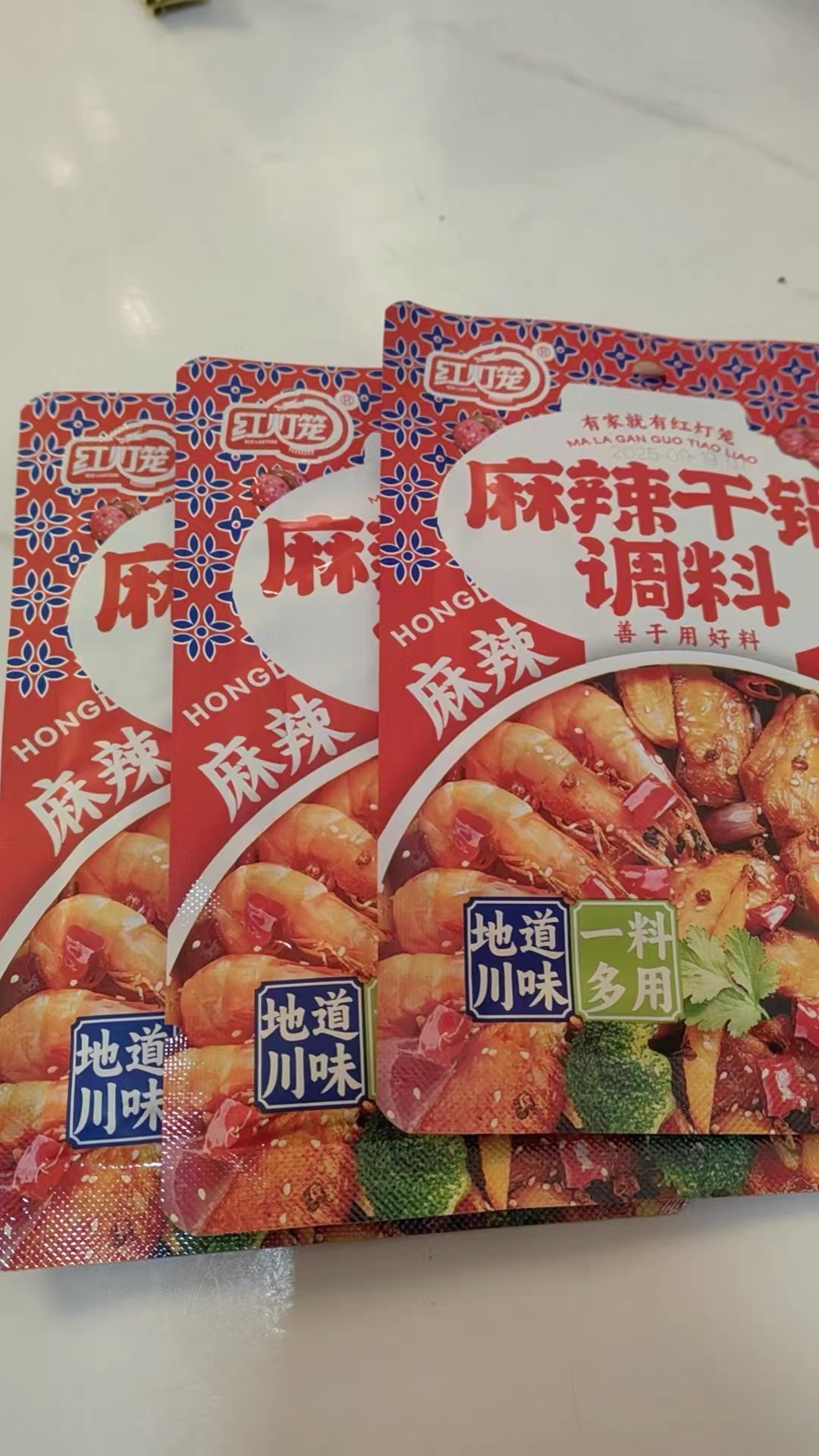
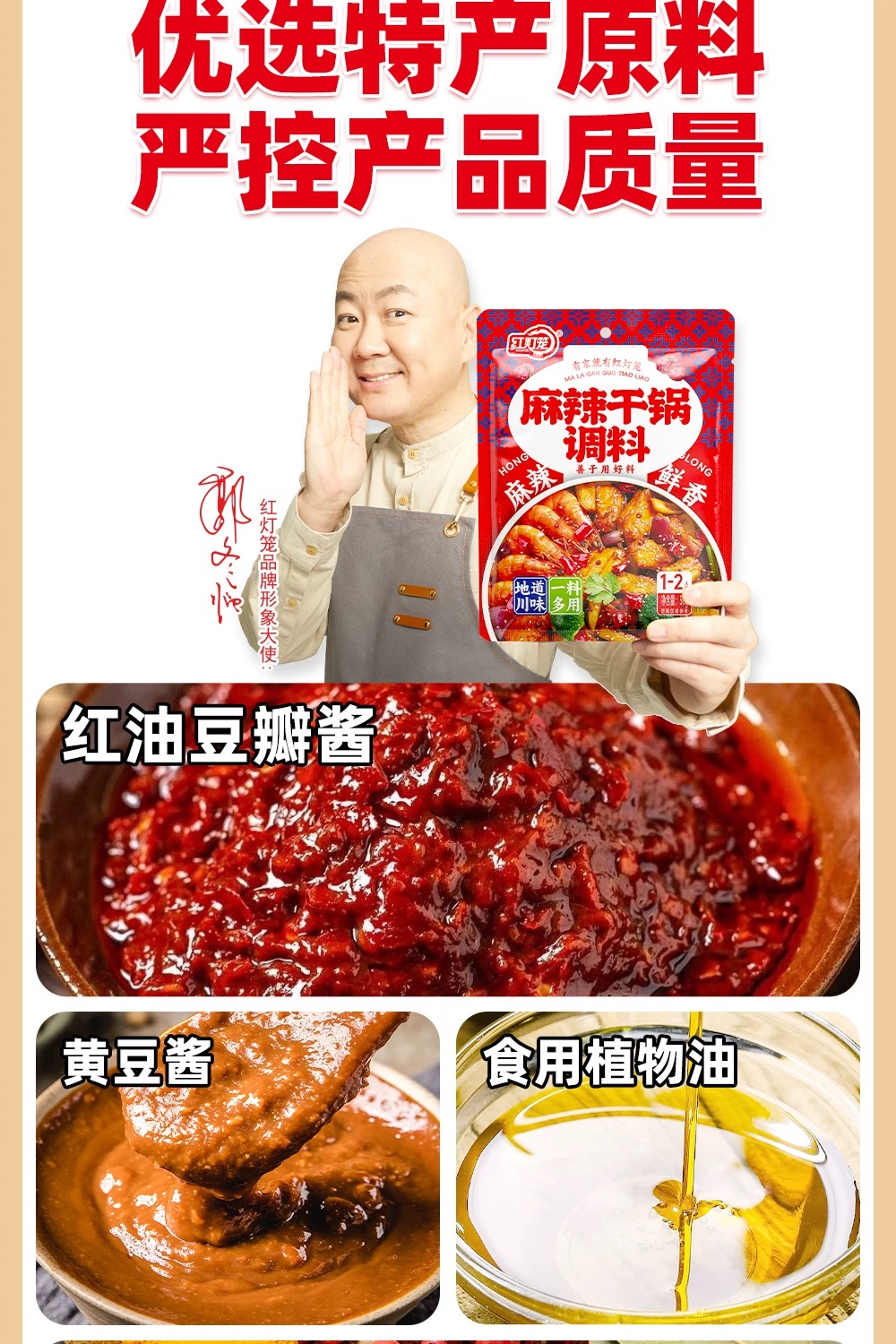
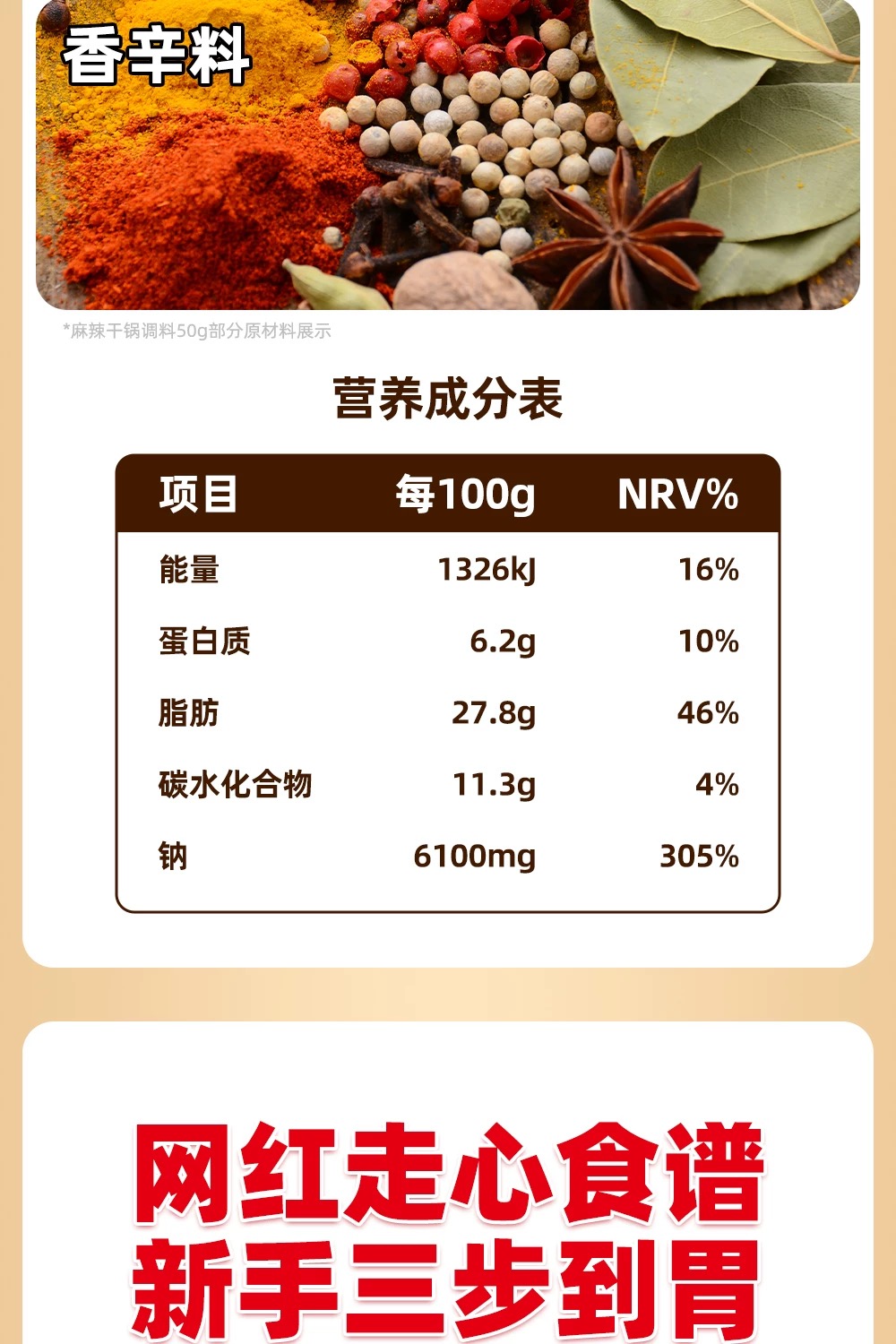
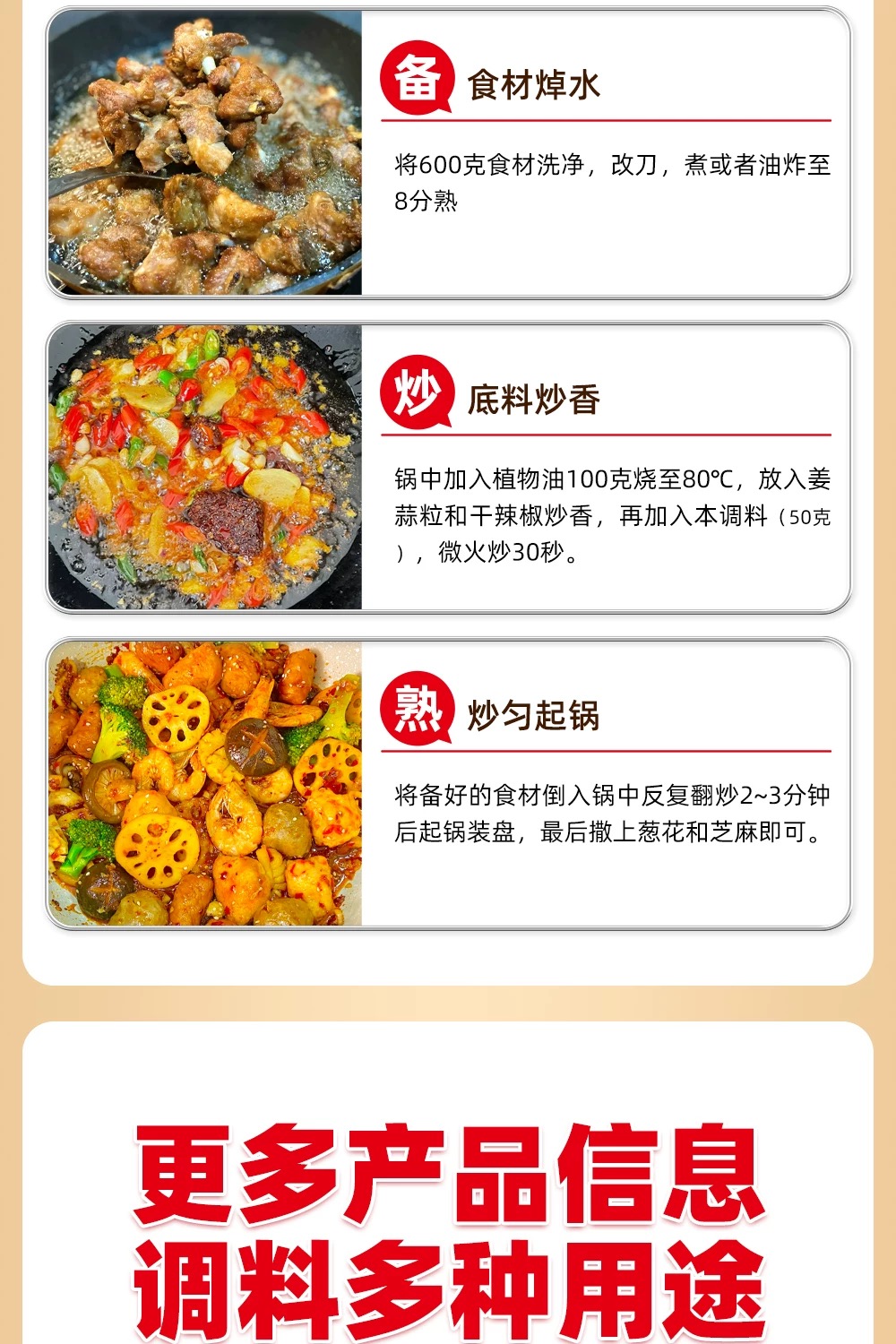
The base sauce is the soul of Mala Xiangguo. It mainly uses Sichuan Erjingtiao chili (rich in spicy aroma and mild in spiciness), Dahongpao prickly ash, paired with ginger, garlic, Pixian broad bean paste, fermented black soybeans and a variety of spices. Some base sauces add beef tallow or chicken fat to enhance the aroma. After stir-frying the base sauce over low heat to release its fragrance, stir-fry it with blanched ingredients over high heat, coating each piece of ingredient with the sauce for a rich layered taste. It is easy to cook at home: simply blanch the ingredients until 80% done, sauté the base sauce to release aroma, then stir-fry quickly with the ingredients—no complicated cooking skills required.
It is distinctly different from other Sichuan spicy delicacies such as Malatang, Maocai and Dry Pot: it is soup-free with little sauce, unlike soupy Malatang and Maocai; it has diverse ingredient combinations, different from traditional Dry Pot with single ingredient types; it is stir-fried in one go and served immediately, rather than being hot pot which is eaten while boiling. It is a unique "Sichuan-style pot dish made by stir-frying".