


Related products for white jelly
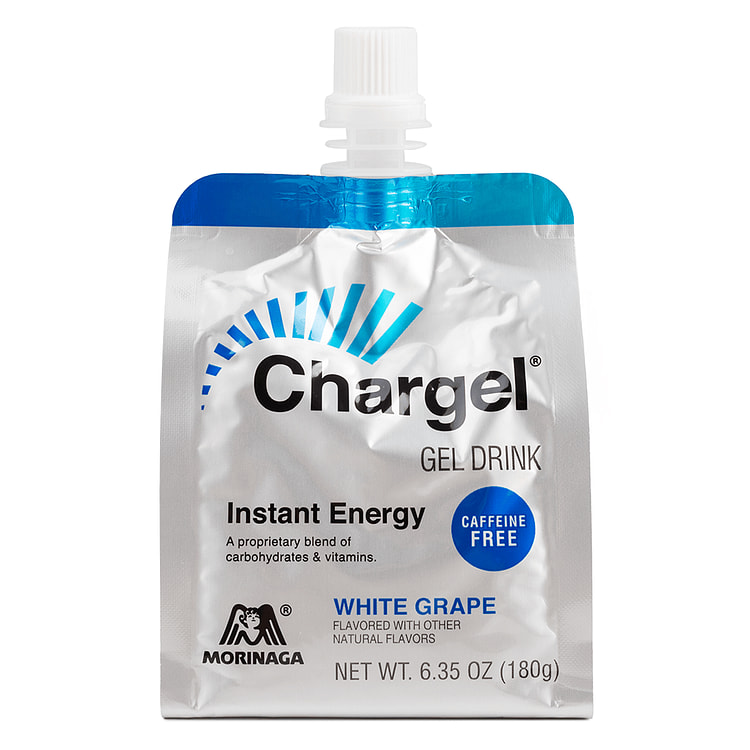 $3.09 - $4.49Morinaga Chargel Energy Jelly Drink White Grape Flavor 6.35 oz
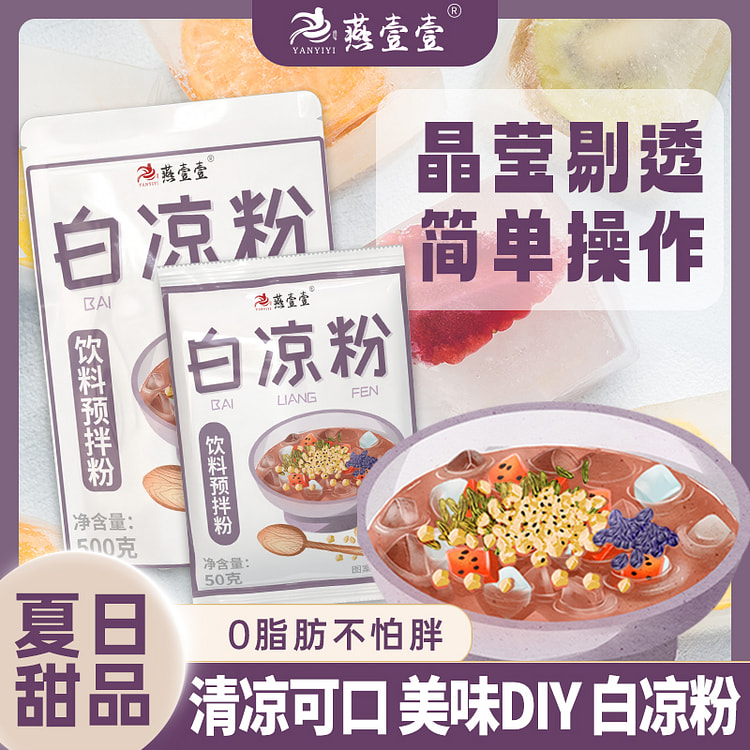 $14.9950g*3 packages of white jelly baking ingredientsShips from Litchi Maple Selection
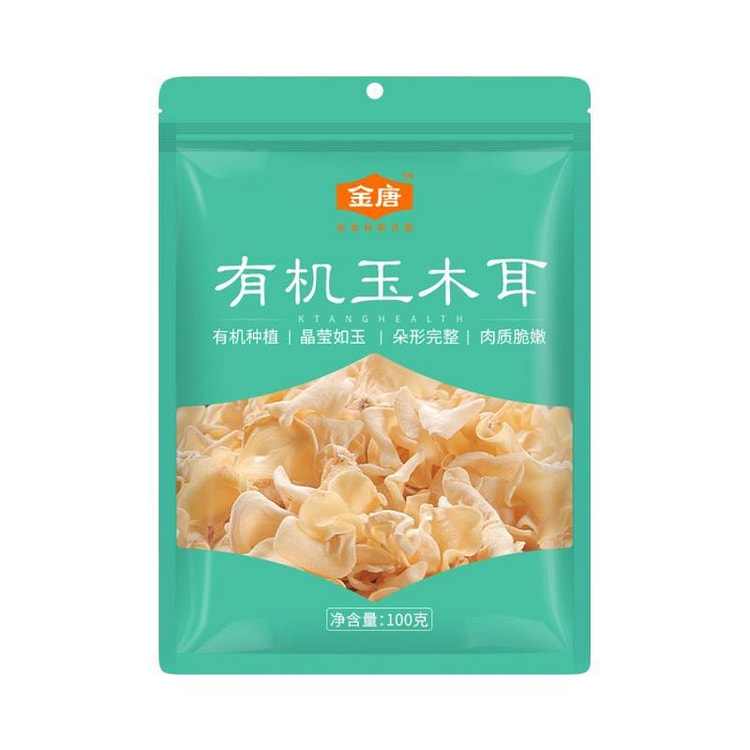 11% off$13.34 - $14.99KTANG Organic White Jelly FungusShips from Auspicious
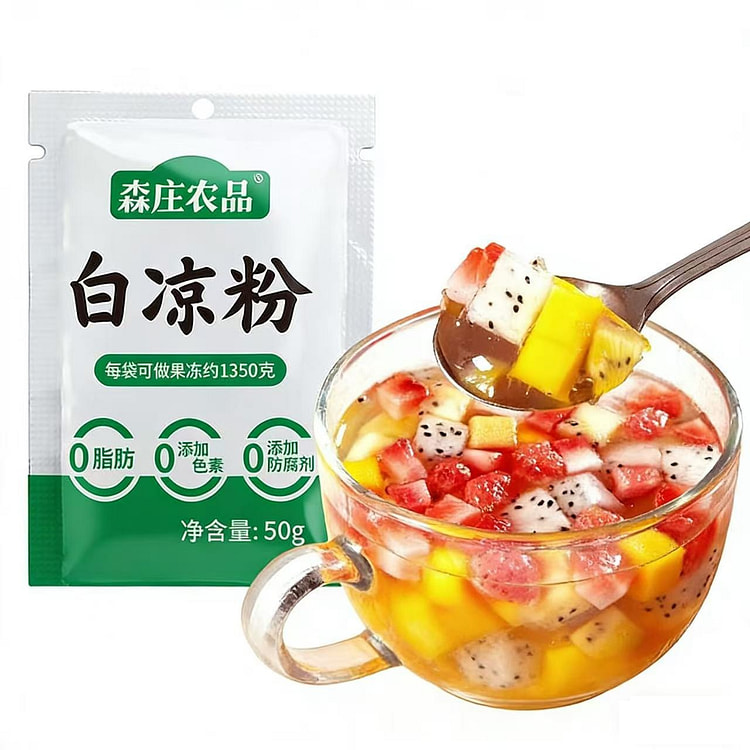 9% off$9.81 - $10.90White Jelly Powder Children's Fruit Jelly Powder 50 g*2 packShips from Lvyen Selection
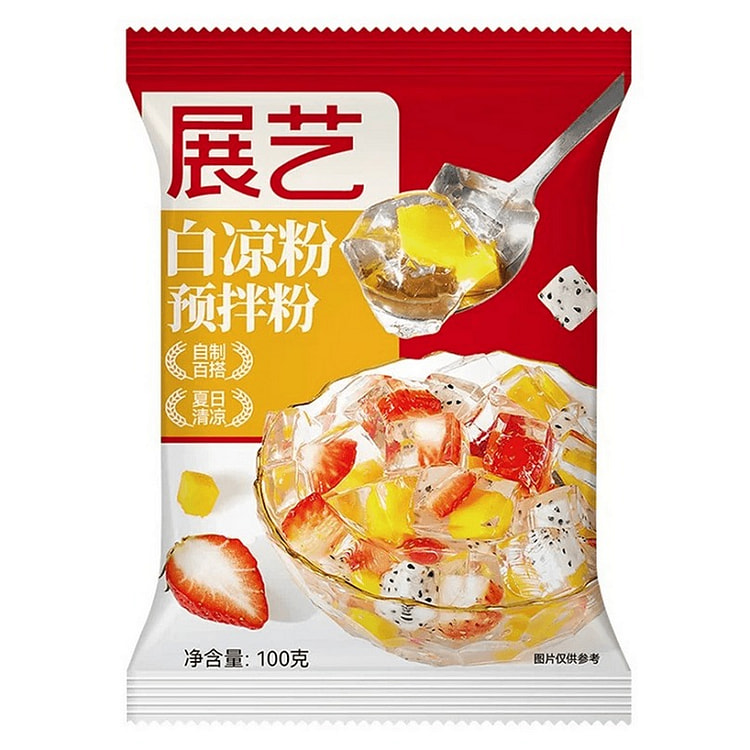 $2.25White jelly, ice powder 100g 1 box (min 3)Ships from Huaren Bang
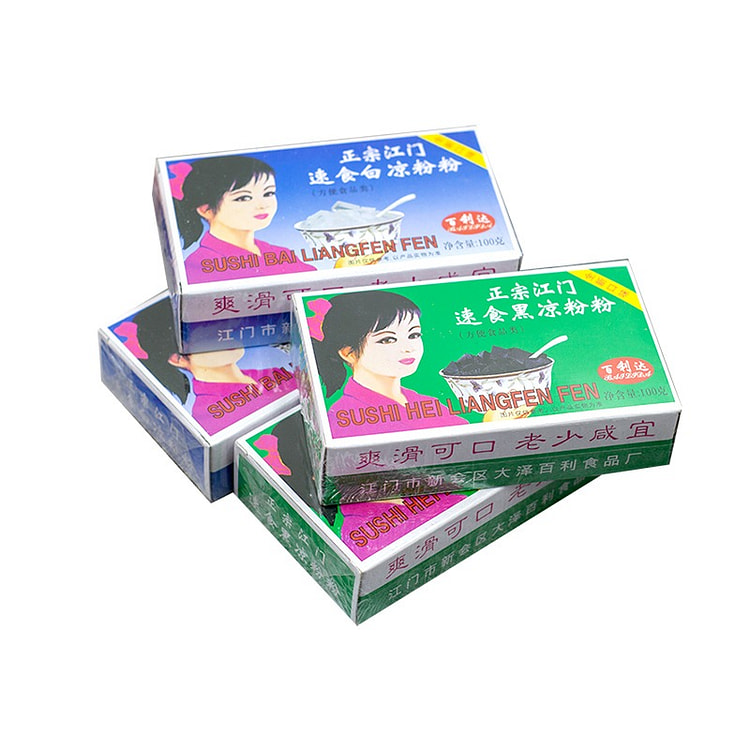 6% off$12.21 - $12.992 Boxes Bailida Jiangmen Black/White JellyShips from Fun Shop
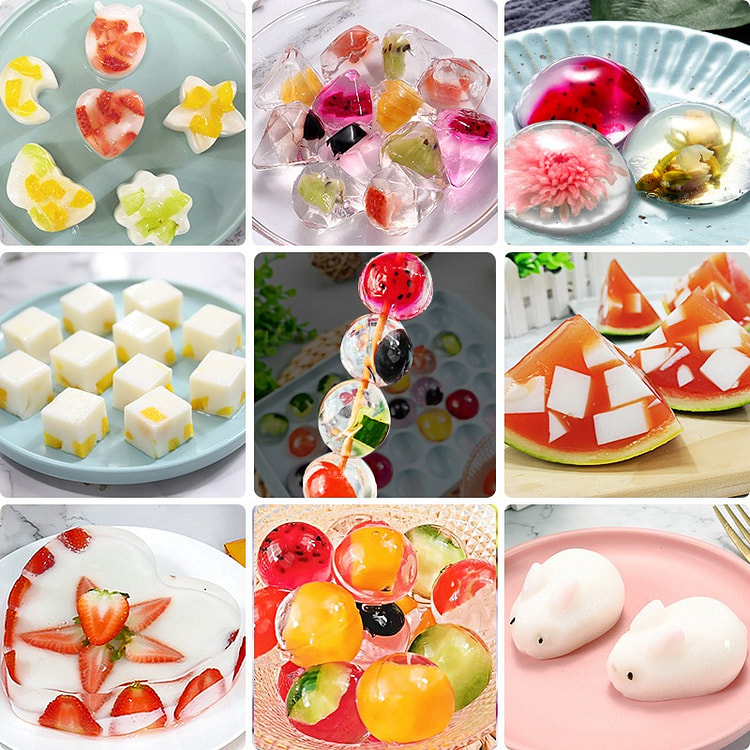 $11.80White Jelly Powder for children 100g*3 bagsShips from Golden Baby
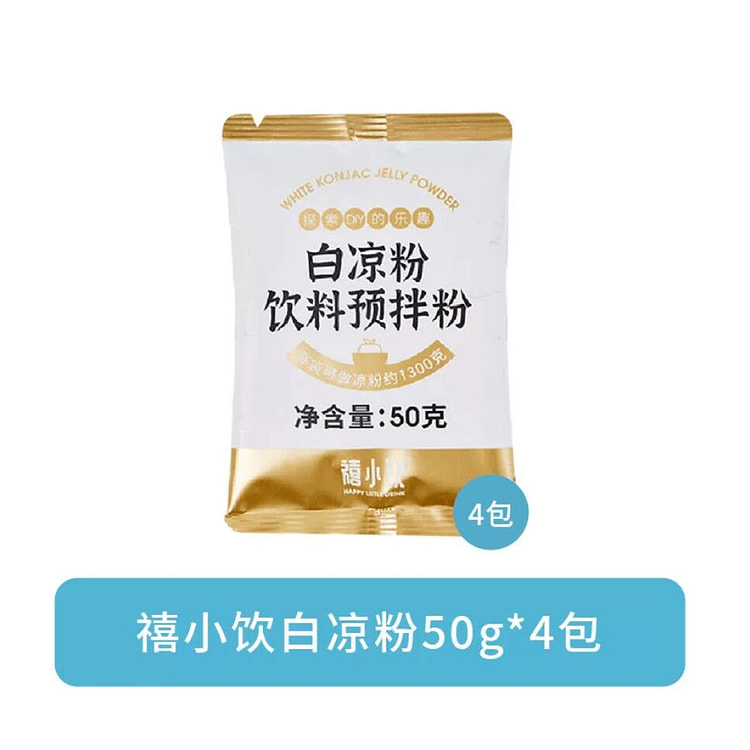 $23.17Xixiaoyin white jelly homemade jelly 200g 200 gShips from Jishiyidao
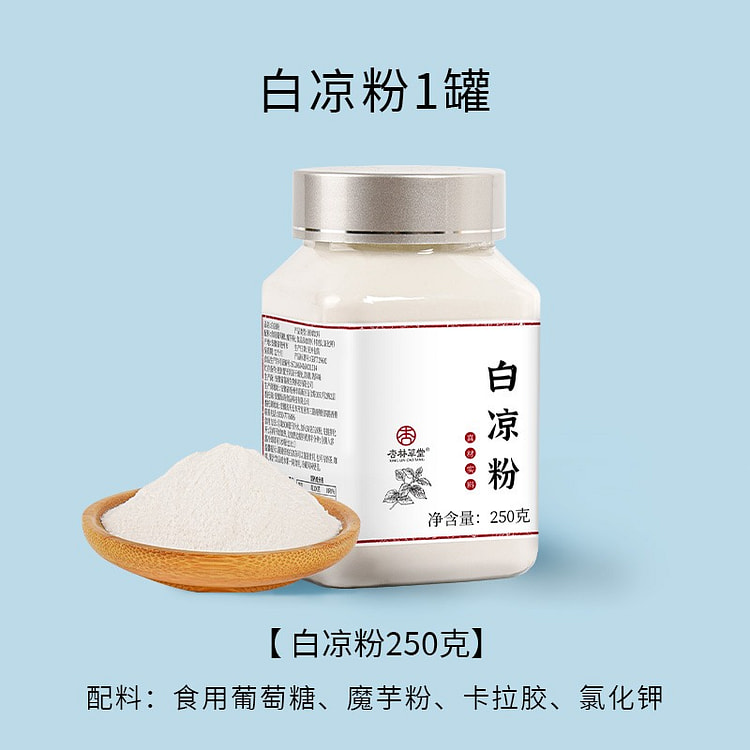 5% off$27.08 - $28.51Apricot forest thatched cottage white jelly 250gShips from Sishiwei
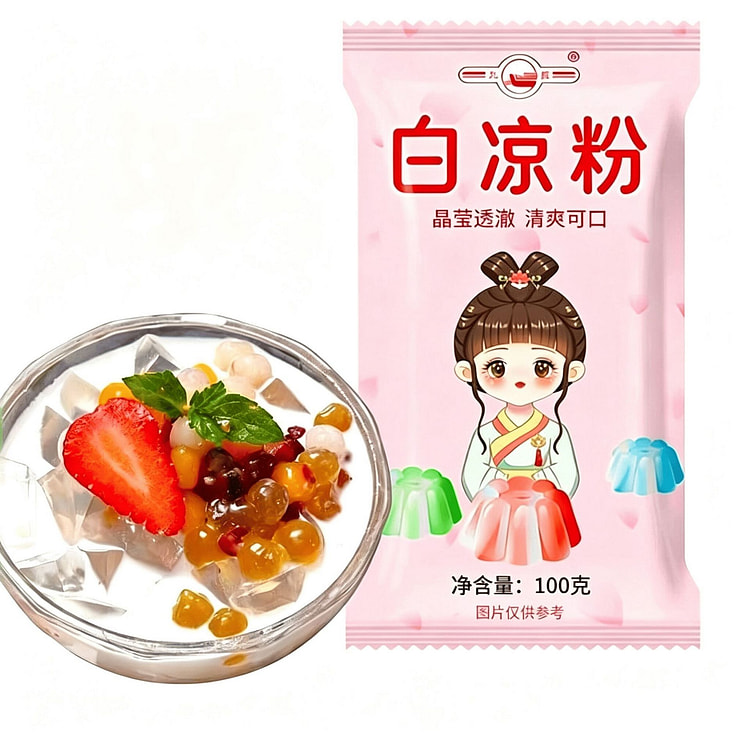 10% off$8.09 - $8.99Uncle Nine Authentic White Jelly with No Additives 100 gShips from Home Shopping Mall
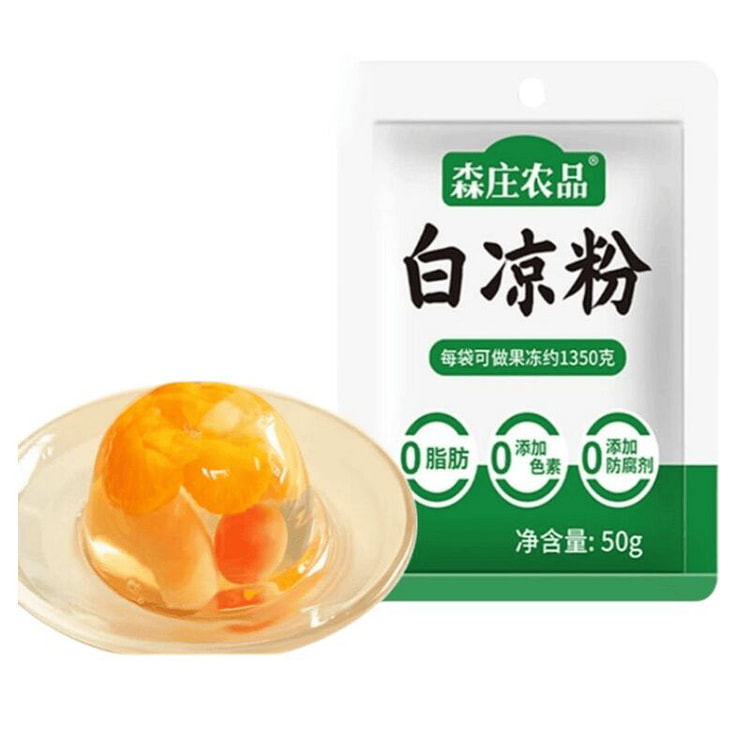 10% off$4.05 - $4.50Senzhuang agricultural white jelly 50g*1 bagShips from Snack Light
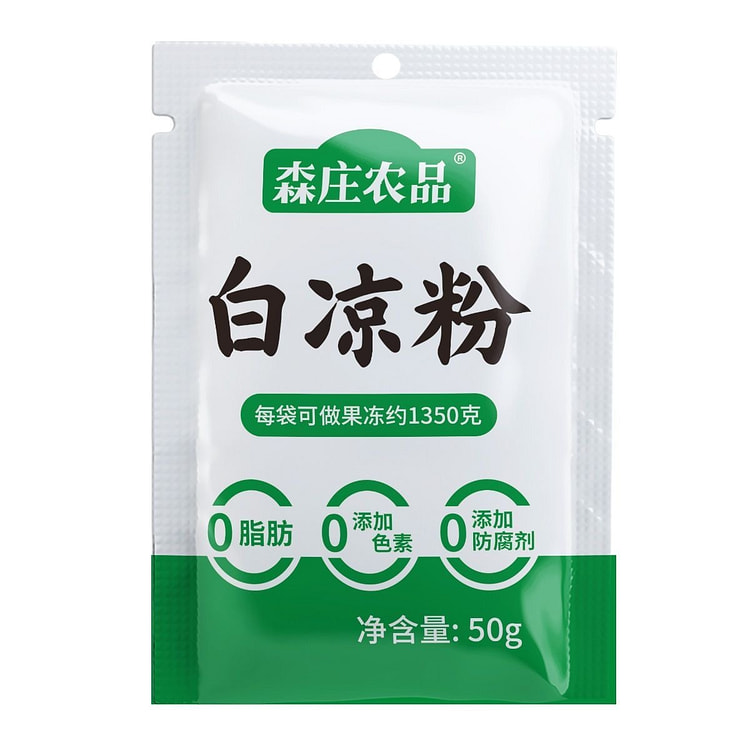 $7.99Senzhuang Agricultural White Jelly 50g*2 bagsShips from In the light of the food
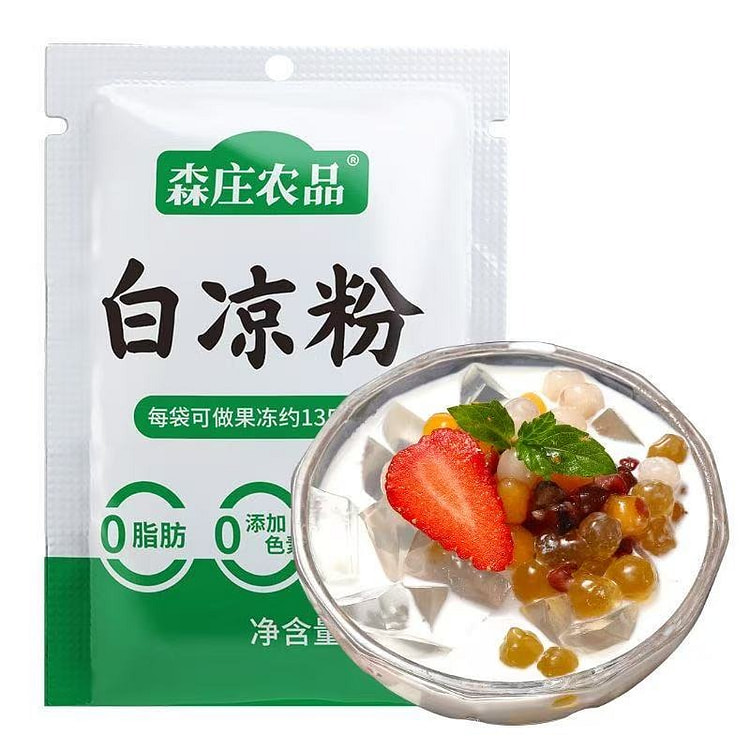 $5.99Sen Zhuang White Jelly Powder 50g*2 bags 100 gShips from Hometown Flavor Shop
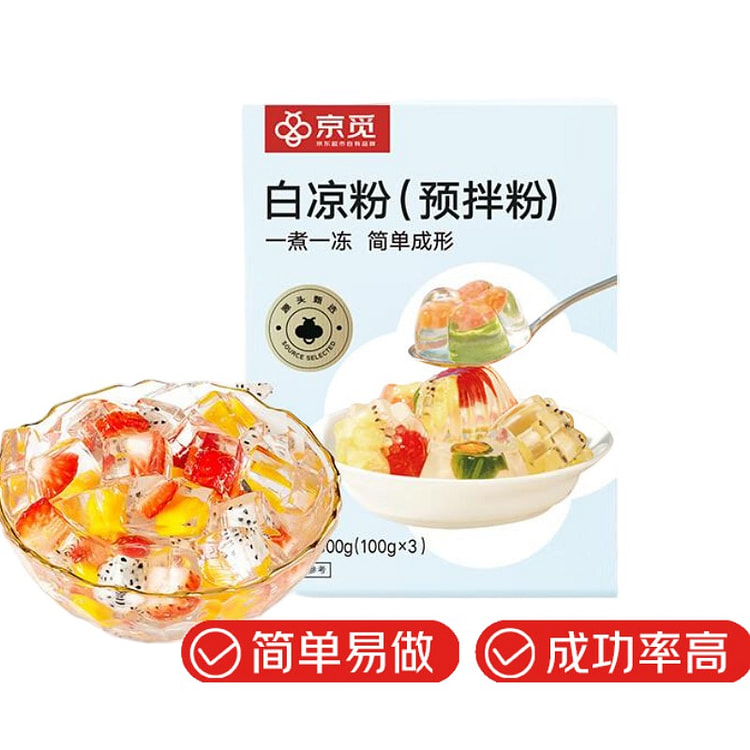 $12.99Jingmi White Jelly Powder 100g * 3 Bags 100 g*3 packShips from Eastern Selection
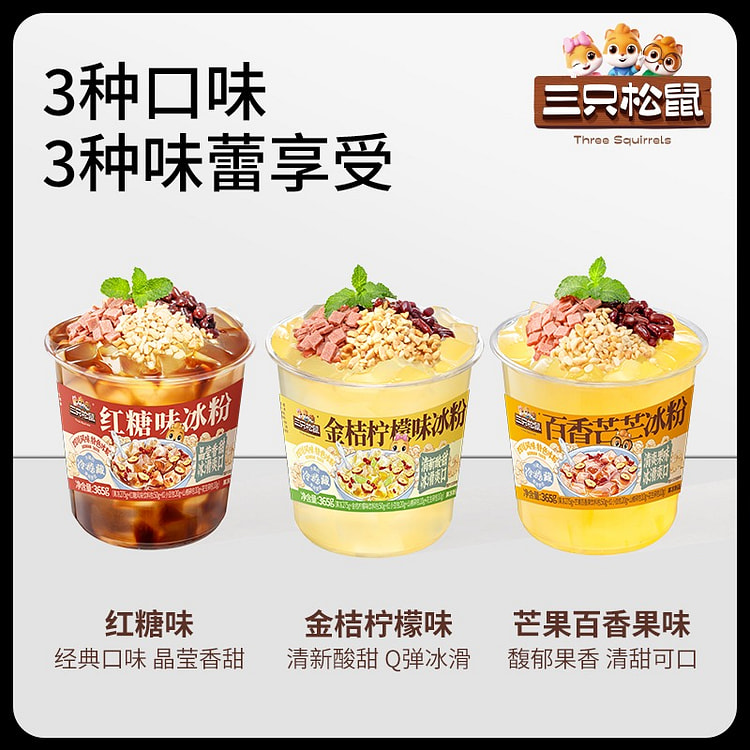 4% off$51.11 - $53.80Three Squirrels Three Flavors Ice Powder 365g * 3Ships from EasyGo Boutique
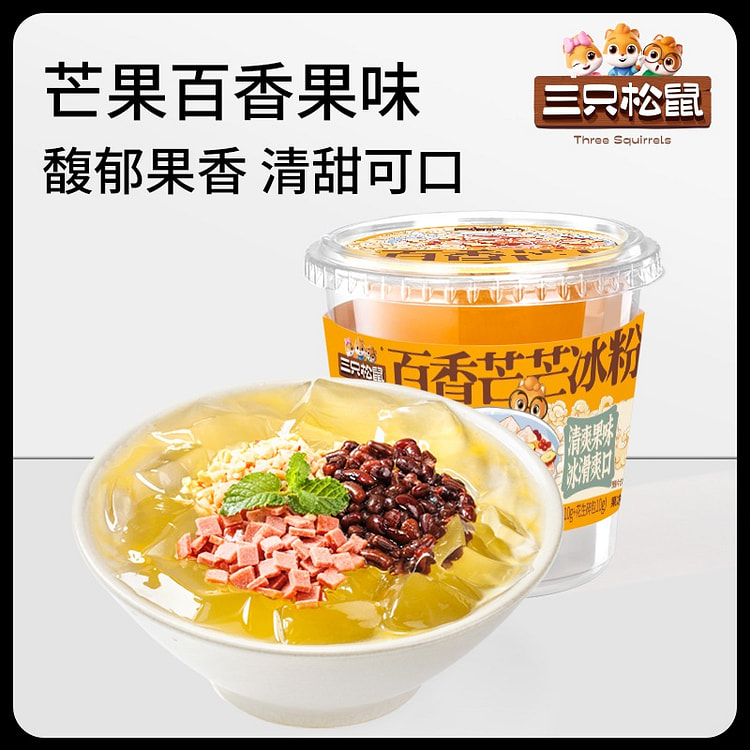 5% off$19.52 - $20.55Three Squirrels Passion Mang Ice Powder 365gShips from EasyGo Boutique
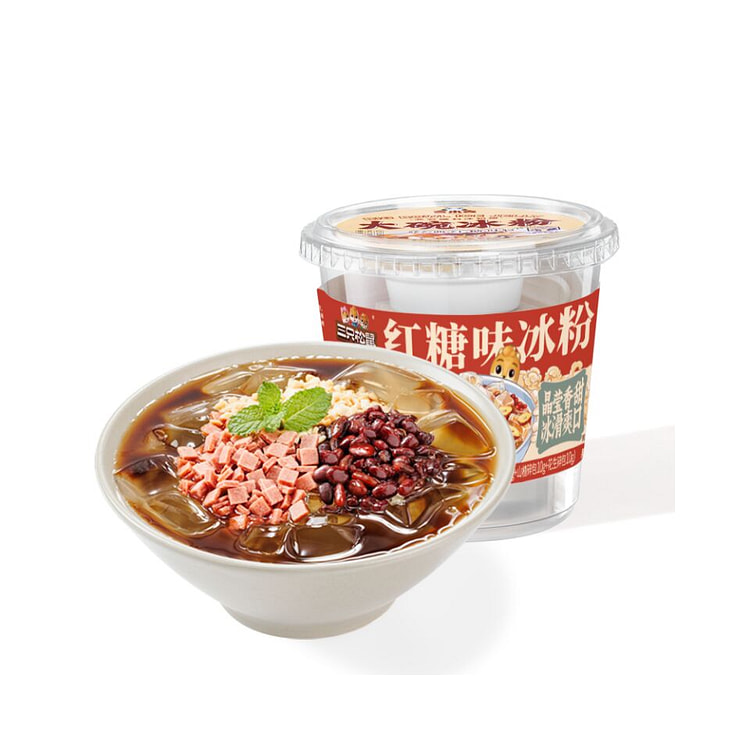 5% off$19.52 - $20.55Three Squirrels Brown Sugar Flavored Ice PowderShips from EasyGo Boutique
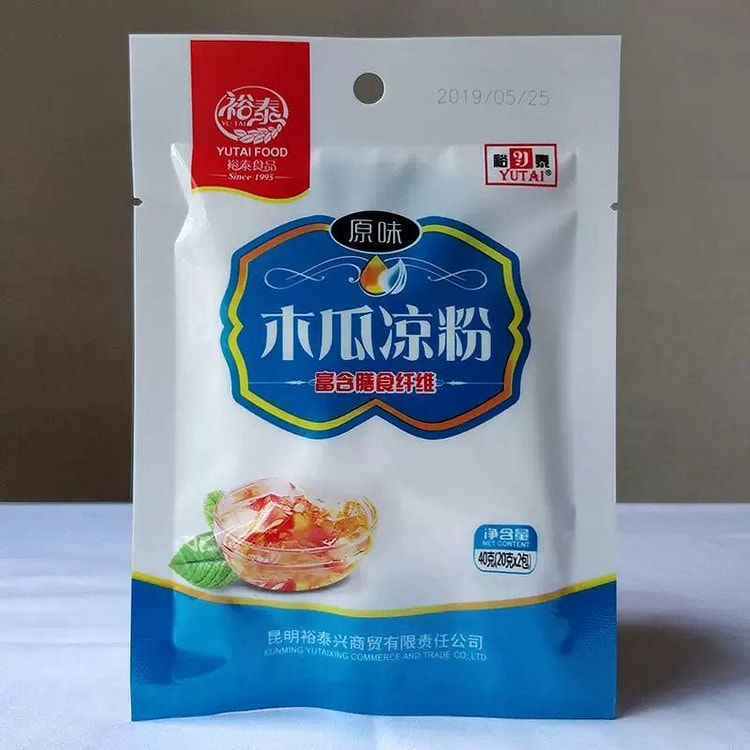 $9.30Yunnan Papaya Jelly Drink 40 gShips from Yunnan Bites
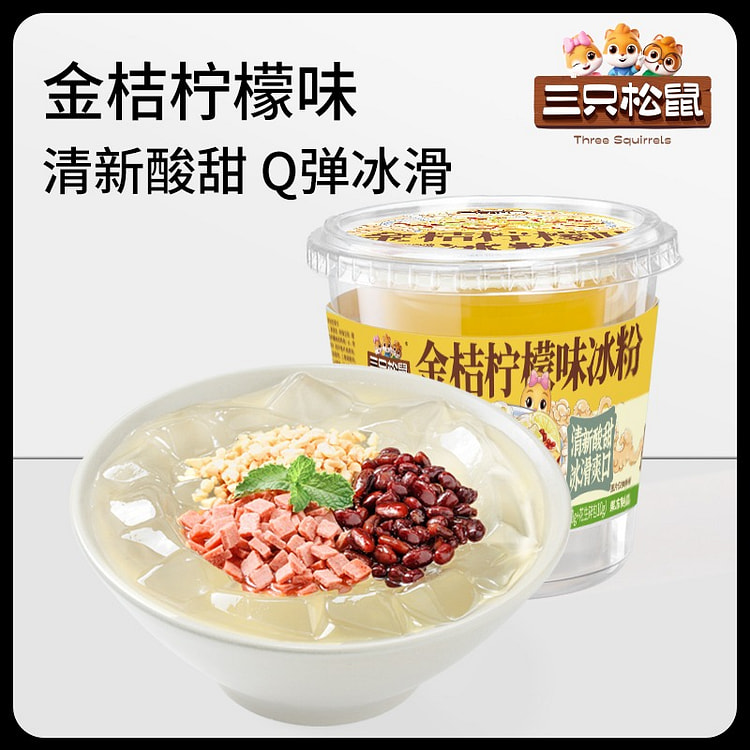 5% off$19.52 - $20.55Three Squirrels Orange Lemon Ice Powder 365gShips from EasyGo Boutique
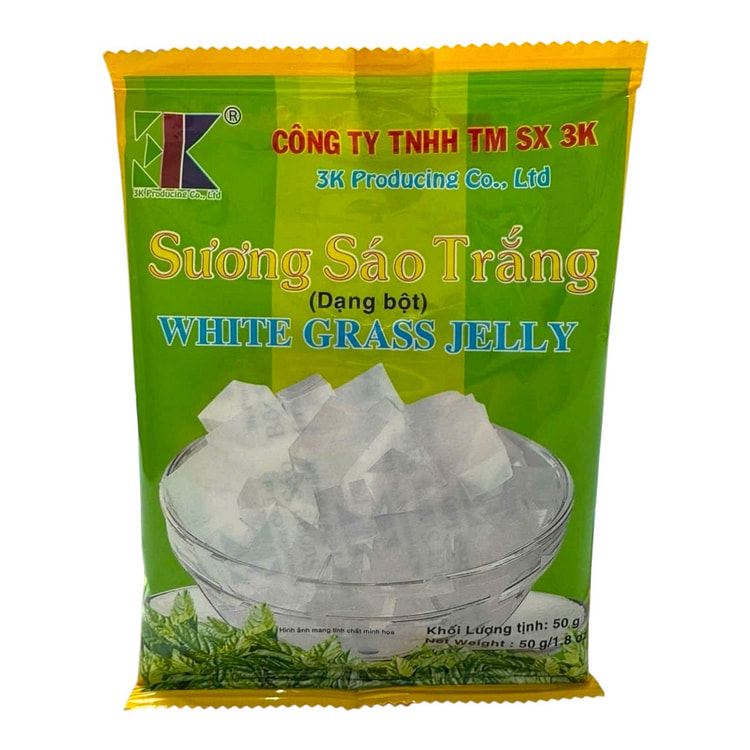 $3.99White Grass Jelly MixShips from L'ami eMarket
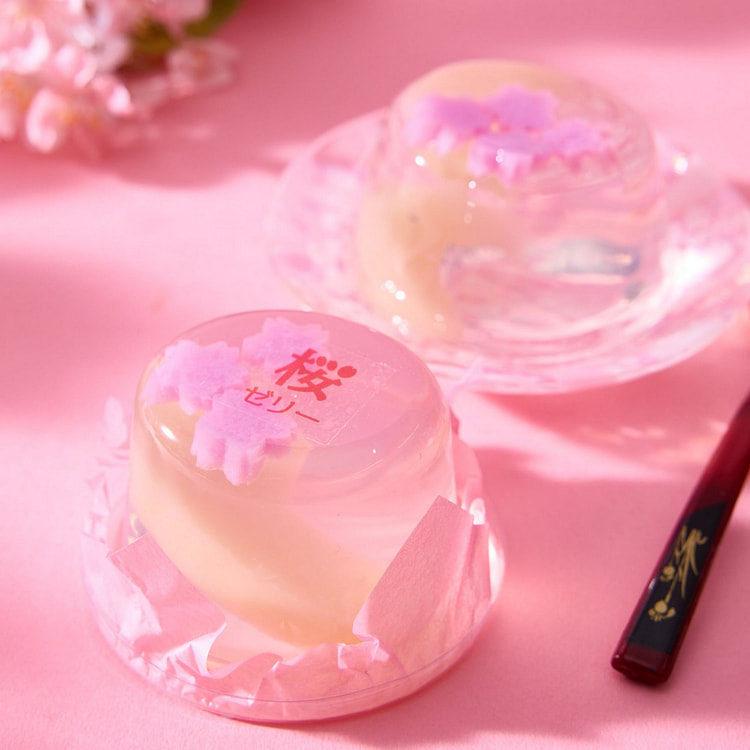 $3.19Sakura White Peach JellyShips from Ichigo
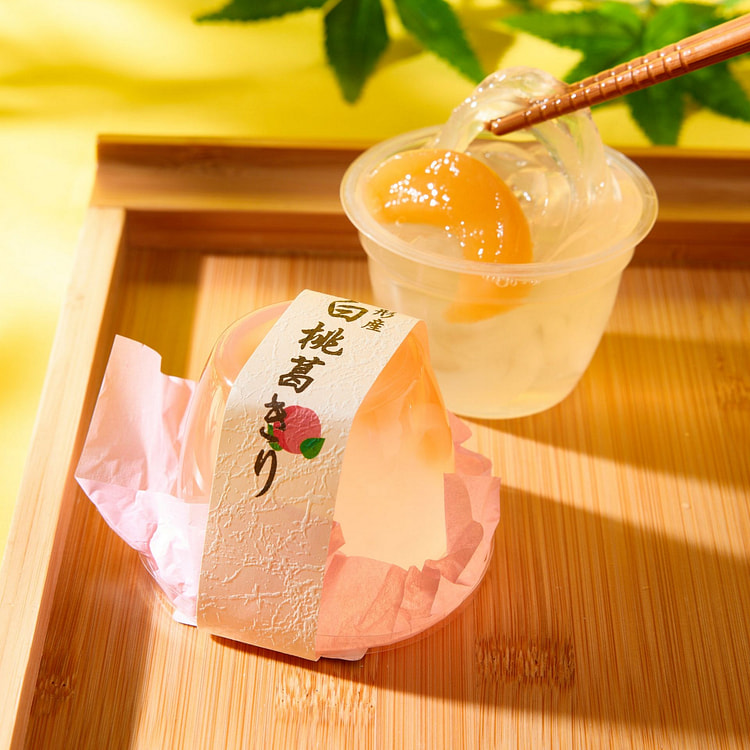 $7.98White Peach Kuzukiri JellyShips from Ichigo
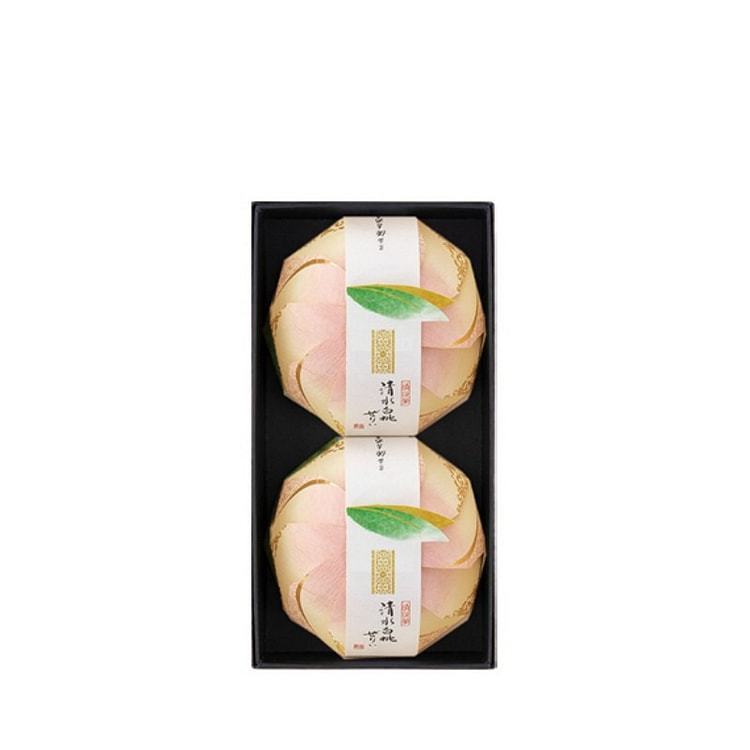 $29.90White peach jelly 2 piecesShips from Tao Japan
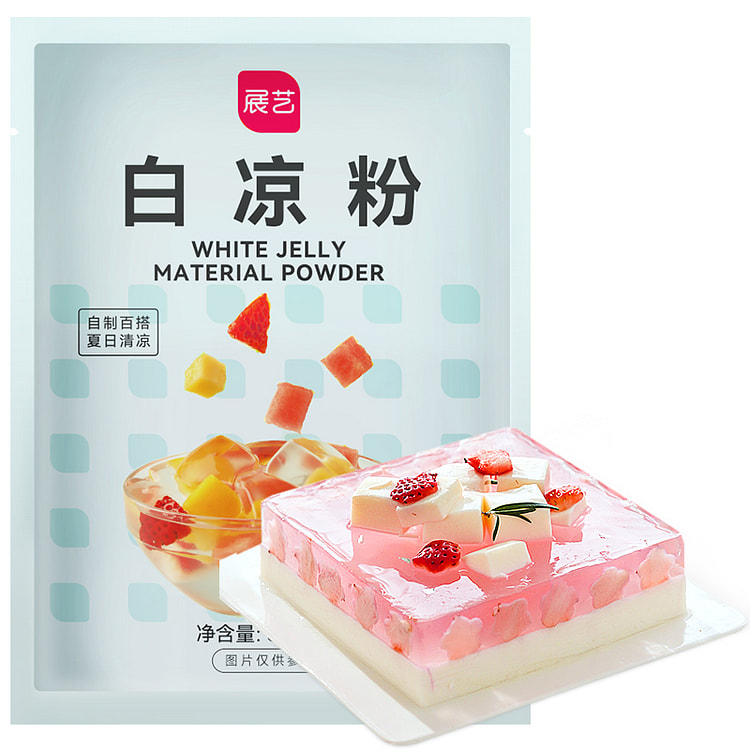 15% off$8.41 - $9.90Zhanyi Jelly White Agar 200gShips from Anxin Shopping Mall
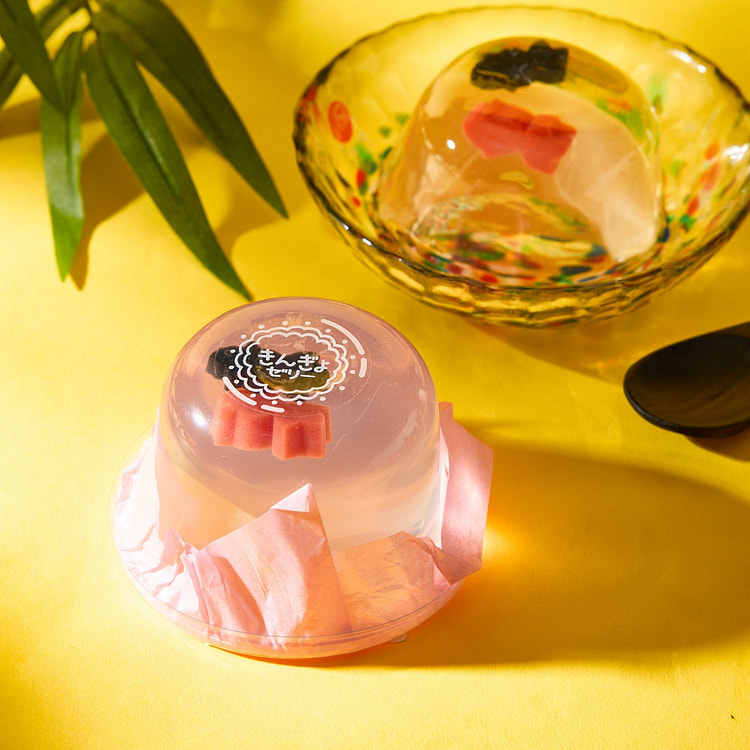 $6.65Goldfish Jelly - White PeachShips from Ichigo
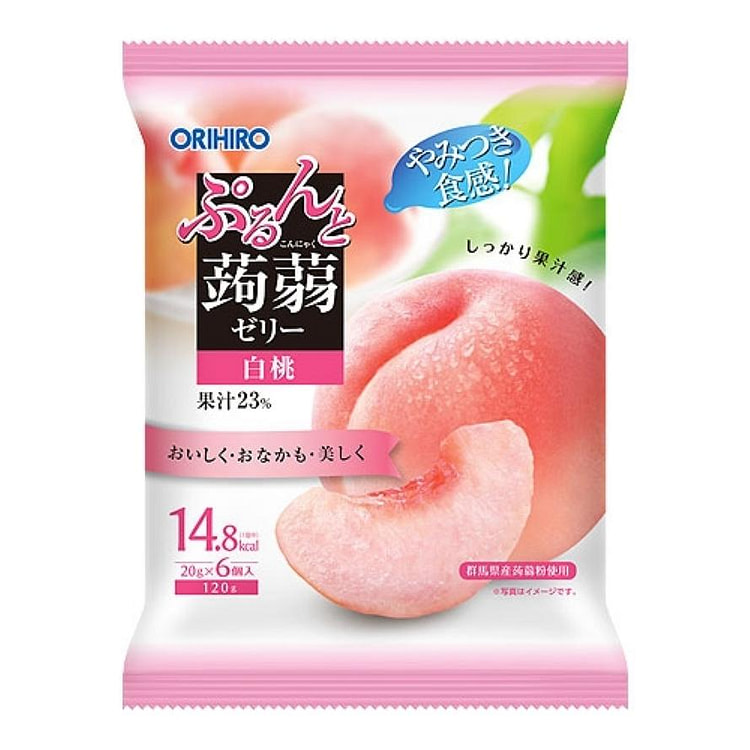 $5.29Orihiro Konjac Jelly White PeachShips from Peach Convenience Store
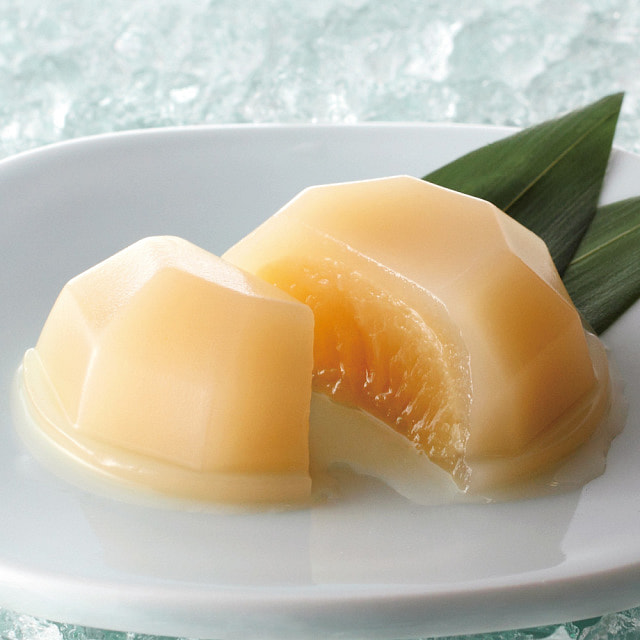 $31.99Seikanin White Peach Jelly 2 pcsShips from Shinsaibashi Japan
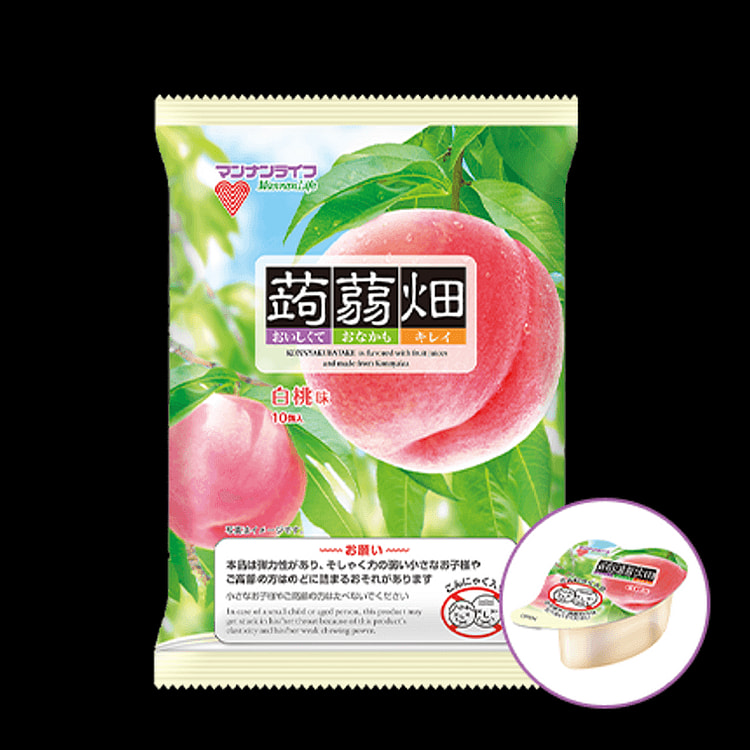 $5.49Mannanlife White peach Jelly 250gShips from Shinsaibashi Japan
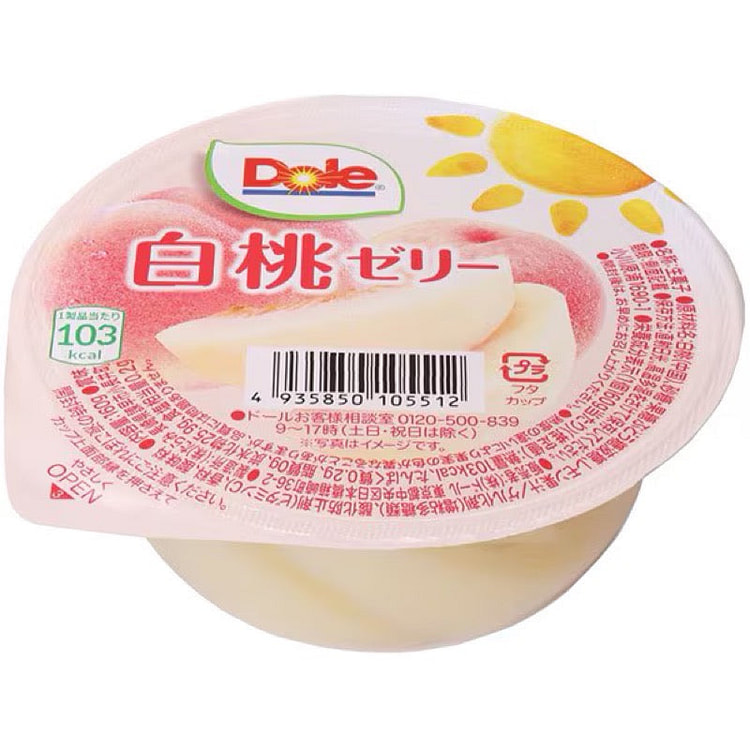 $10.49Dole White Peach Jelly 160g 1 eachShips from Food Come
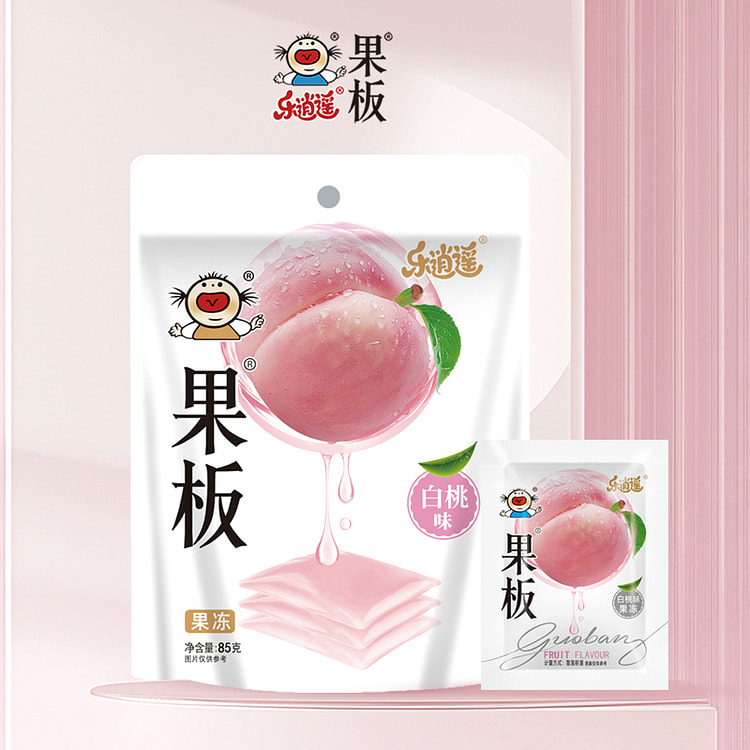 $14.99Jelly White Peach Flavor 85g*3 packsShips from Huayi Mall
 $3.19ORIHIRO Jelly Mango + White Peach 12pcsShips from EITO JAPAN
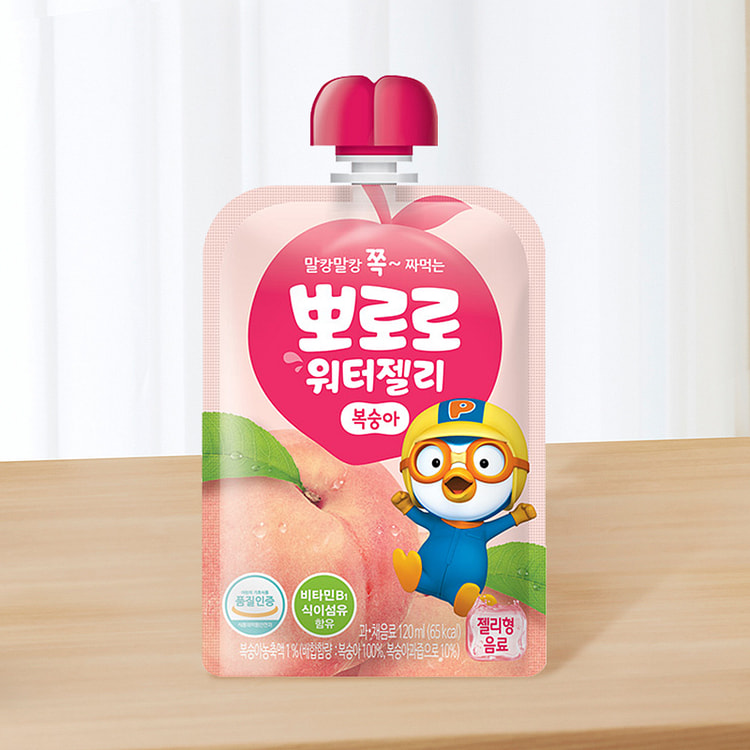 $7.99White peach flavor suction jelly 120ml*1Ships from Huayi Mall
 $6.99ACE Konjac Jelly White 24PC 480g(16.9oz)Ships from TIMELY BASKET
 $15.33Orihiro konnyaku jelly White Peach 20g6pcsShips from wonderfull
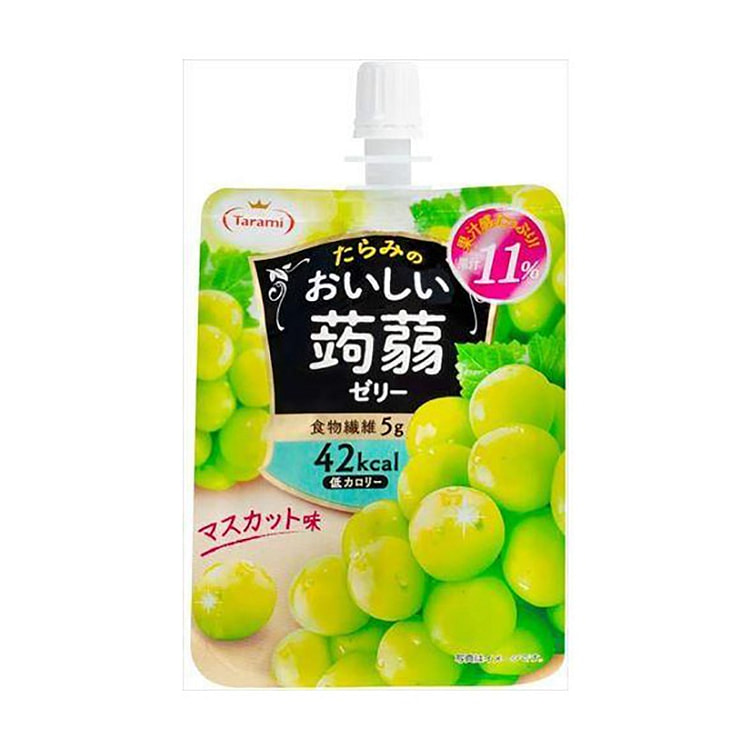 $2.69TARAMI Konjac Jelly 150g White Grape FlavorShips from EITO JAPAN
 $2.59TARAMI Taarami Konjac Jelly 150g White PeachShips from EITO JAPAN
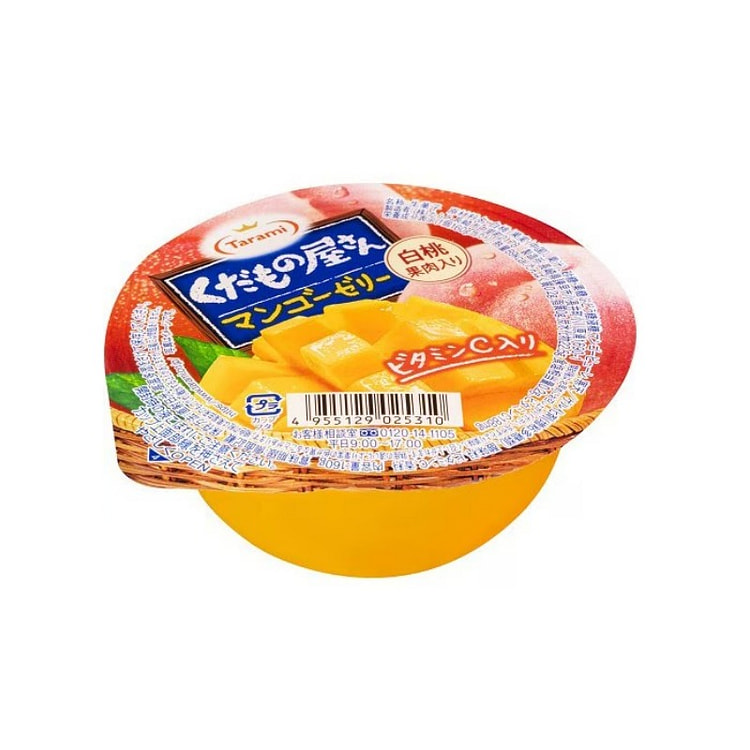 $4.99Tarami Mango Jelly with White Peach Pulp 160gShips from MiauMall
 10% off$2.90 - $3.23Morinaga Energy Jelly White Peach Flavor 150gShips from EITO JAPAN
 30% off$4.01 - $5.74Morinaga Energy Jelly White Peach Flavor 150gShips from Shinsaibashi Japan
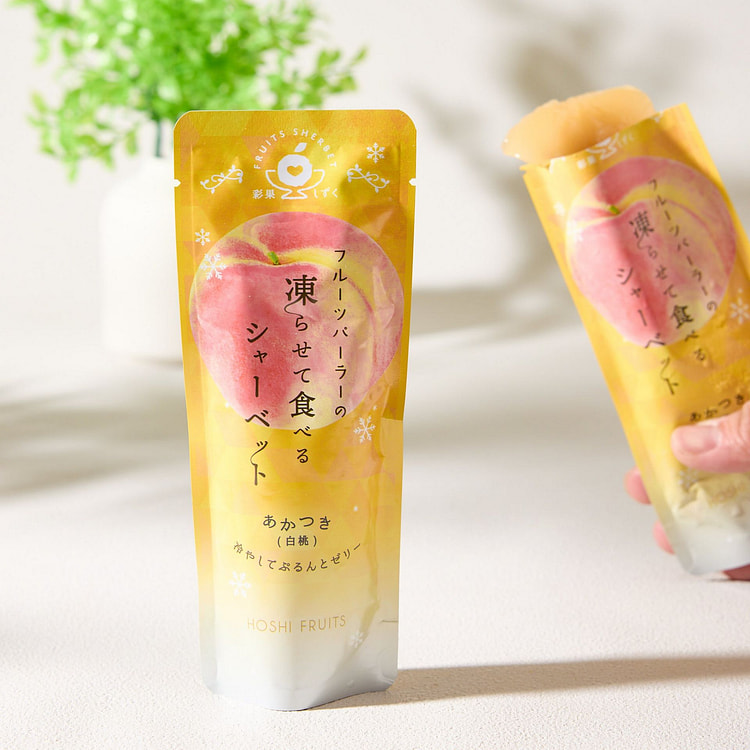 $3.19Hoshi Fruits Frozen Sorbet Jelly - White PeachShips from Ichigo
Looking for an Asian online supermarket?
Shop products from Chinese, Japanese, Korean, Vietnamese, Thai, Filipino and Indian grocery stores with delivery across major U.S. cities, including fresh produce, frozen meats and seafood, no extra fees, and EBT/SNAP accepted in most cities for eligible products.

Popular Asian ingredients this week
 $11.49 - $11.99Fumang Propitious Mango Ice Cream 3PC 225 g 800+ Sold weekly
 $10.99 - $11.99Tao Qi Peach Ice Cream (TaoQi TQ) 3pcs, Frozen 225 g 700+ Sold weekly
 18% off$1.29 - $1.59Enoki Mushrooms 200 g 1K+ Sold weekly
 $12.59 - $16.29Jelly.B Drinkable Konjac Jelly, Lychee Flavor 150 ml*10 pack 600+ Sold weekly
 $8.99 - $11.49Daedoo Real Sweet Potato Bread, Frozen 480 g 400+ Sold weekly
 $3.29 - $4.49Laoganma Spicy Crispy Chili Oil 210 g 1K+ Sold weekly
 $4.99 - $7.79Shirakiku Sanukiya Udon, Frozen 1K+ Sold weekly
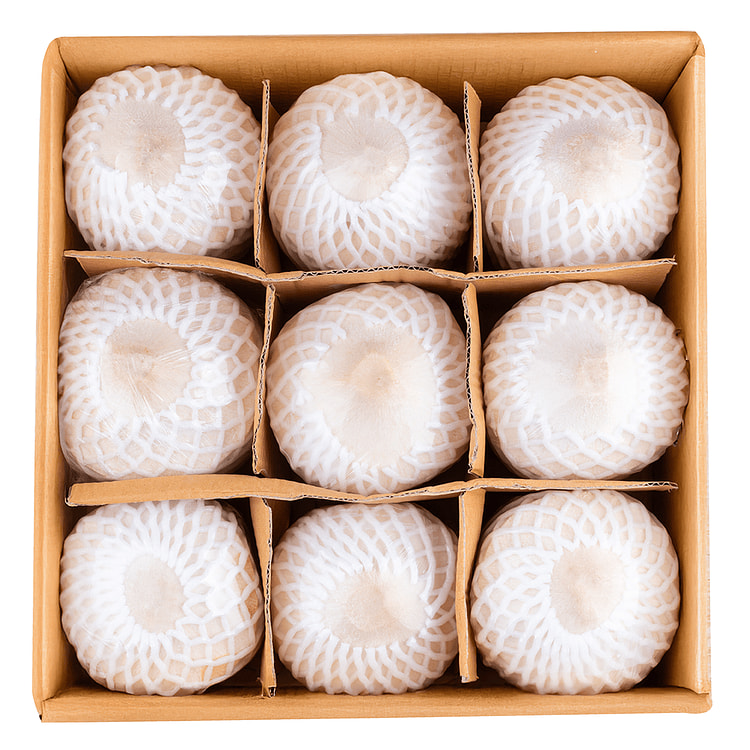 27% off$15.99 - $21.99Thai Young Coconut 9ct 1 case 1K+ Sold weekly
 $0.39/ea for 2+$0.69 for 1 qtyGreen Onion 1 bunch 1K+ Sold weekly
 $2.69 - $3.99Lee Kum Kee Premium Dark Soy Sauce 1K+ Sold weekly
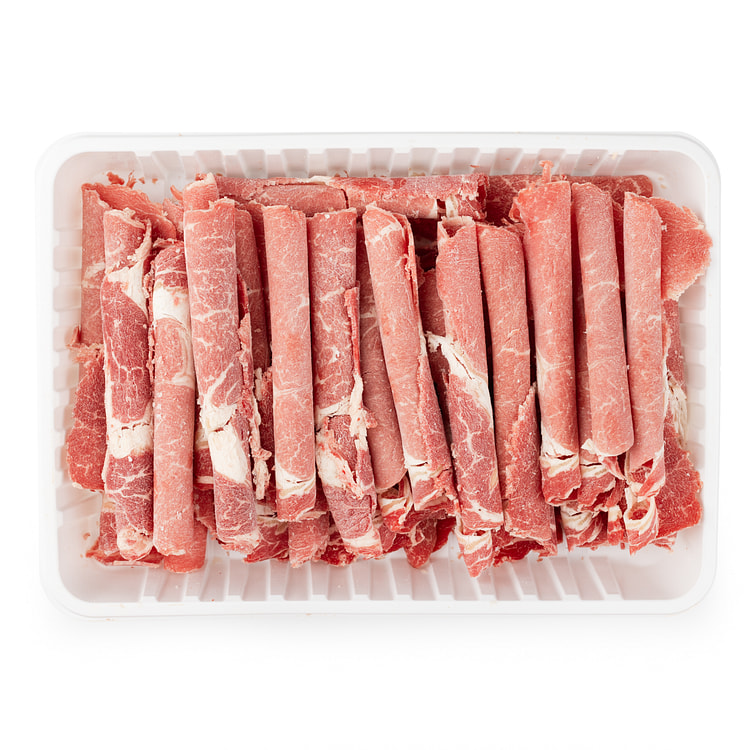 27% off$10.88 - $14.99Beef Ribeye Sliced Roll, Frozen 1 lb
 $11.49 - $17.99Three Ladies Brand Jasmine Rice Large Bag 1K+ Sold weekly














 Customer since 2018
 Phoenix, AZCustomer since 2020Connecticut, CTCustomer since 2023Washington DCCustomer since 2020Los Angeles, CA
Frequently asked questions
What is white jelly?
White jelly, also known as white fungus or snow fungus, is a type of fungus used primarily in Chinese cooking and traditional medicine. It has a gelatinous texture when cooked and is often used in sweet soups and desserts.
How is white jelly used in cooking?
White jelly is often used in sweet soups, desserts, and teas. It can also be used in savory dishes and is commonly added to stir-fries and hot pots.
How do I prepare white jelly?
White jelly usually needs to be soaked in water for a few hours or overnight before it can be used in cooking. This helps it expand and achieve its signature consistency.
Is white jelly vegan?
Yes, white jelly is a perfect alternative to traditional gelatine for vegans.
Can I eat white jelly raw?
No, white jelly is generally not consumed raw. It needs to be soaked and cooked before eating.
Does white jelly contain gluten?
No, white jelly is a gluten-free food.
Can I use white jelly in smoothies?
Yes, after soaking and cooking, white jelly can be added to smoothies for increased texture and health benefits.
How long does white jelly last?
Dried white jelly can last for years if stored properly. Cooked or soaked white jelly should be used within a few days if stored in the fridge.
What does white jelly taste like?
White jelly itself is bland but has a slightly sweet taste. It's valued more for its texture, which is gelatinous and crunchy.
Is white jelly healthy?
Yes, white jelly has long been used in traditional Chinese medicine for its purported health benefits. It's said to be good for the skin and immune system, and has anti-inflammatory and antioxidant properties.
Where can I buy?
You can buy it at Weee! Asian Market, www.sayweee.com.
How should I store white jelly?
Store dried white jelly in an airtight container in a cool, dry place. Once it's soaked or cooked, refrigerate it and use it within a few days.
Can white jelly be frozen?
Yes, you can freeze soaked or cooked white jelly. It can last several months in the freezer without losing its texture.
Can white jelly cause allergies?
Although it's relatively rare, some people might have an allergy to white jelly. If you experience any allergic symptoms after consuming it, seek medical help immediately.
Can I use white jelly instead of gelatine in recipes?
Yes, white jelly can be a substitute for gelatine in cooking, especially in Asian recipes.
Can pets eat white jelly?
While not toxic, white jelly might be hard for pets to digest, so it's best not to give it to them.

Asian Groceries
Get the App


Trending Topics
- Miso paste
- Green curry paste
- Ghee
- Soy sauce
- Nori seaweed
- Tamarind paste
- Mirin
- Bok choy
- Matcha powder
- Jackfruit
- Curry leaves
- Paneer
- Jasmine rice
- Hoisin sauce
- Rice vinegar
- Gochujang
- Garam masala
- KEWPIE Japanese Egg Yolks Mayonnaise
- Yellow curry paste
- Baby bok choy
- Propitious Mango Ice Cream Viral Tiktok
- Fish sauce
- Red curry paste
- Basmati rice
- Oyster sauce
- Kimchi
- Sesame oil
- Shaoxing wine
- Massaman curry paste
- Dark soy sauce


© 2015 - 2026 Weee!, Inc.