


Top 5 products for Ampalaya

Latest reviews
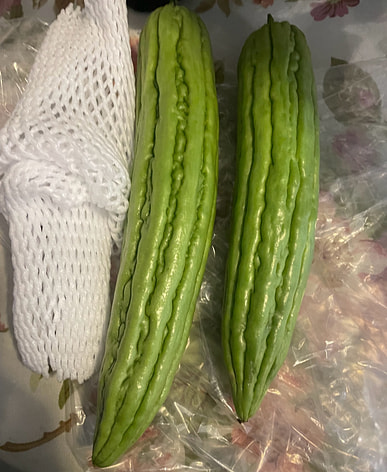 Bitter melons is one of my family’s favorite vegetables. I received two beautiful fruits. Stuffed with shrimp paste and made a curry with it. This is the way my family likes it. Can be served with rice or roti. Bitter is a healthy and nutritious vegetable. This is a repurchase many times.
 Very fresh and good quality....
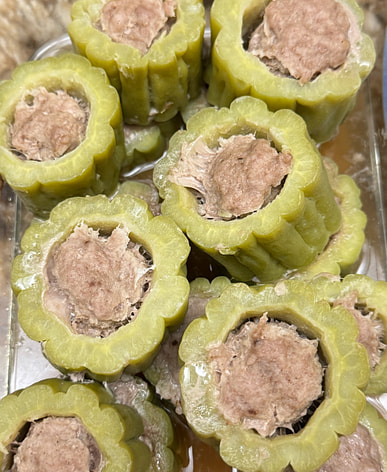 The bitter melon is small, just the right size to stuff with meat; it's delicious, refreshing, and helps lower blood sugar.
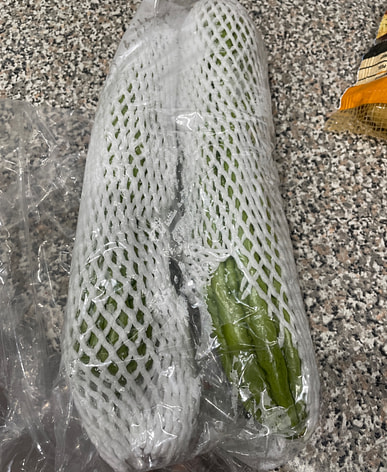 Great quality. Well packed item
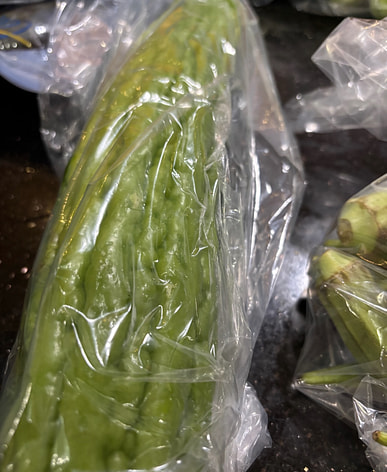 Delicious and fresh! I cooked with shrimp and egg , love them.
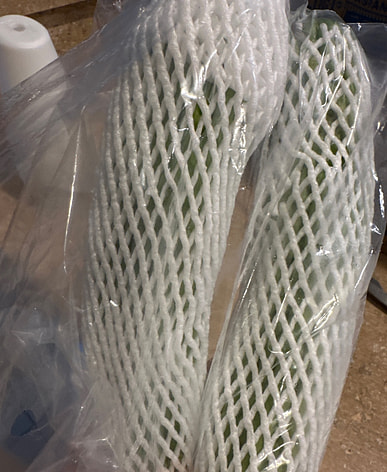 Love this!! Thank you weee!
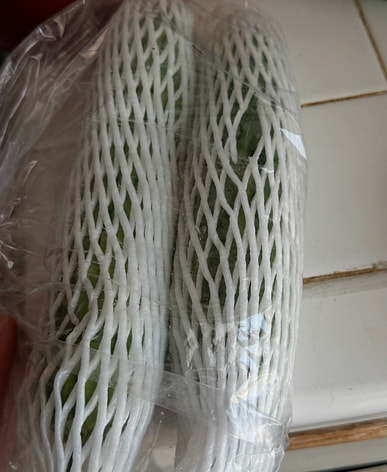 I’ve been ordering ampalaya here cause it’s better quality than the one I see from the local market in my area.
 There’s something so satisfying about eating ampalaya. It has that distinct bite, but knowing how healthy it is makes it taste even better. It’s a staple in my kitchen for a reason. Very fresh good with scrabled eggs.
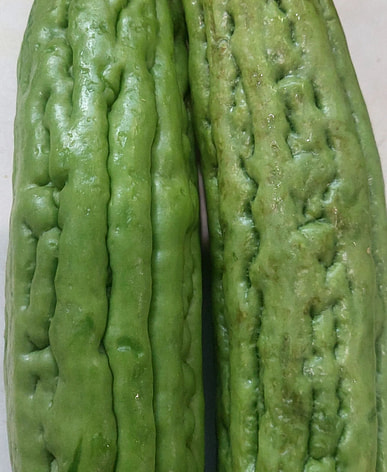 it almost fresh but still can consume..cook it rigth away.
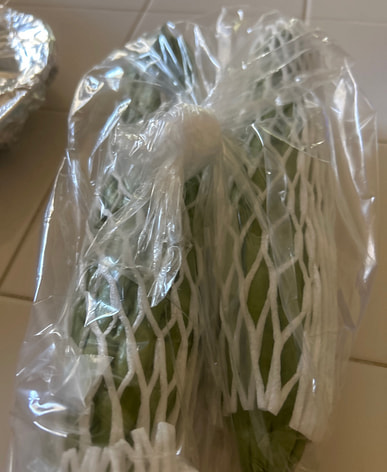 Looks freshhhh thanks Sliced Banana - i thought I ordered not included

Trending in cities
New York, New York
San Antonio, Texas
San Jose, California
San Francisco
Las Vegas, Nevada
Houston
Los Angeles
Brooklyn
San Diego
Chicago, Illinois
Phoenix, Arizona
Sacramento
Jersey City, New Jersey
Bronx
Miami, Florida
Seattle, Washington
Austin
Roseville
Fort Worth
Jacksonville
Washington, District Of Columbia
Daly City
Orlando
Henderson
Tucson
Philadelphia, Pennsylvania
Elk Grove
Oakland
Cypress


Latest reviews
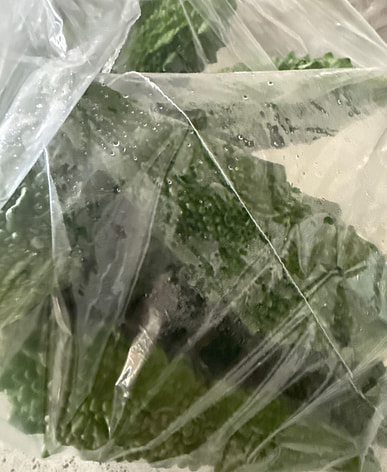 Fresh Karela delivered nicely packed. Loved it
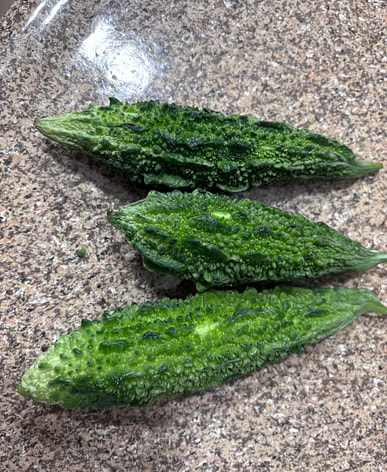 Not fresh … it’s dry sm
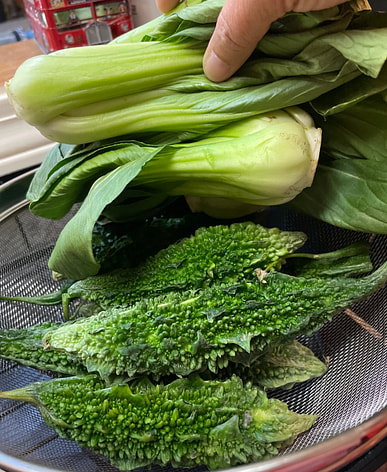 Sorry I took it out of the bag. Fresh & great quality
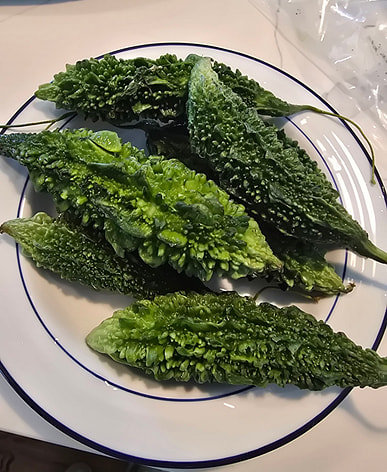 beautiful karalay.
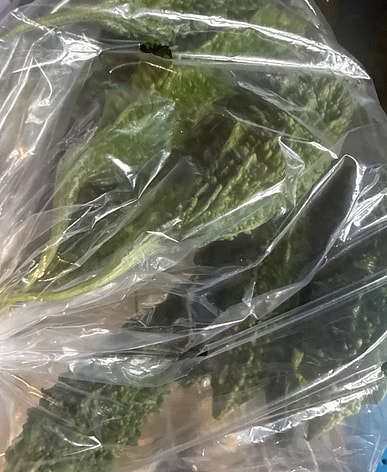 Fresh and good
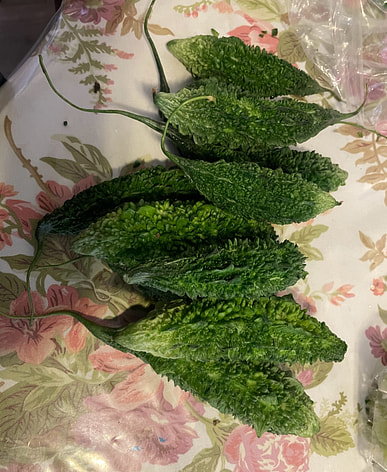 I absolutely love bitter melons, all varieties. It’s fresh, green and young, as it should be. Here it’s prepared with masala and eddoes. Very yummy and delicious. It can be served with steamed rice or roti, or just as it is…this is the way I like to enjoy it.
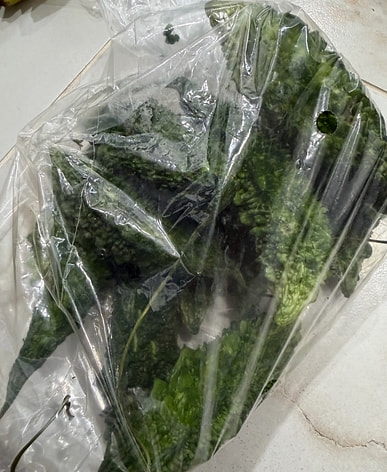 Good Quality
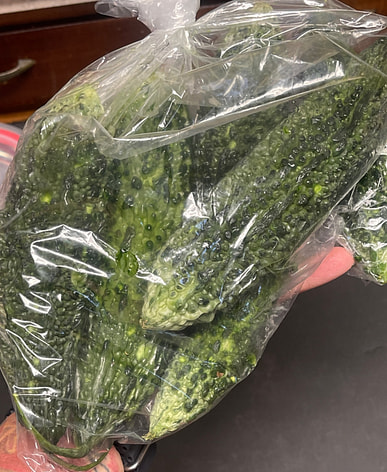 Delicious, not soft.
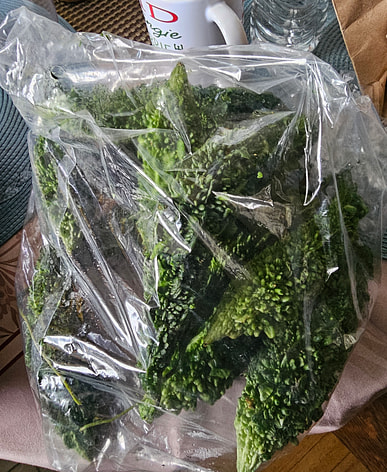 I didn't expect this item to be this much! Thwy look fresh.
Trending in cities
Arlington, Virginia
Baltimore, Maryland
Boston, Massachusetts
Tempe, Arizona
Harrison, New Jersey
Irvine, California
Cambridge
Goleta
Pittsburgh, Pennsylvania
Long Island City, New York
Saint Louis, Missouri
New Haven, Connecticut
Rockville
Brighton
Jamaica Plain
Riverside
Torrance
Dorchester
Bayonne
Santa Barbara
Newark
Columbus, Ohio
Hayward
Scarsdale
Roxbury
White Plains
Gilbert
Staten Island
Providence, Rhode Island

Latest reviews
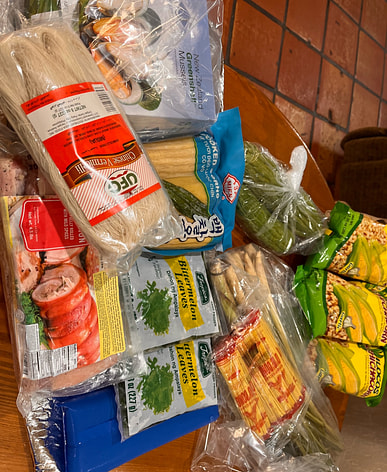 best with mung beans or grilled chicken
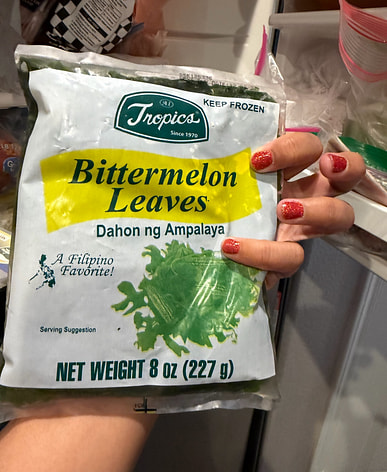 My daughter’s fave
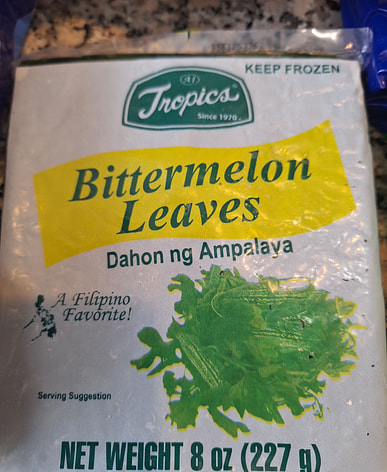 I will cook this with mung bean
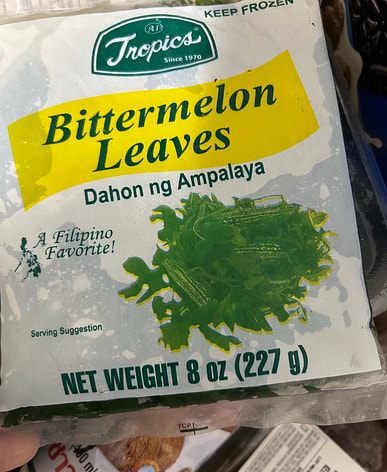 Frozen when delivered..thanks
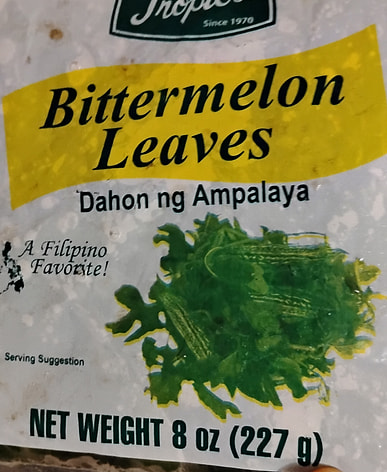 nice and still frozen good for monggo
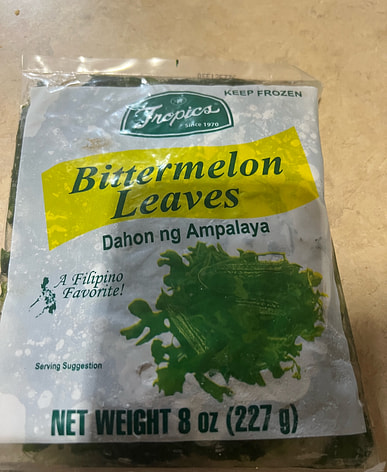 Perfect for my monggo dish. Ampalaya leaves
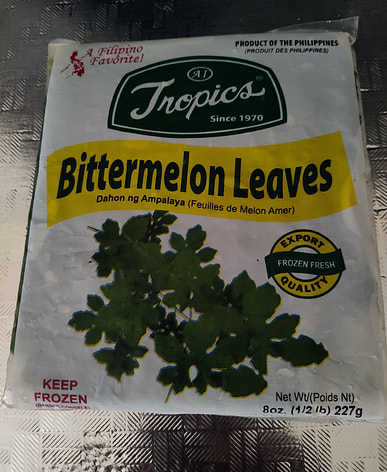 Received in excellent condition
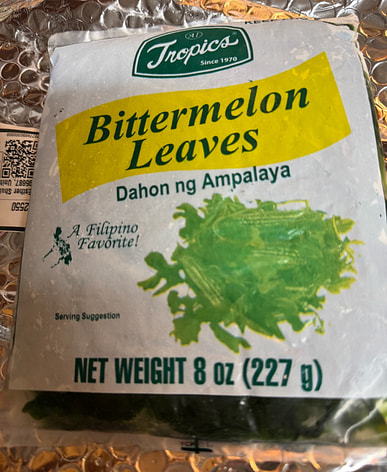 This is good with munggo
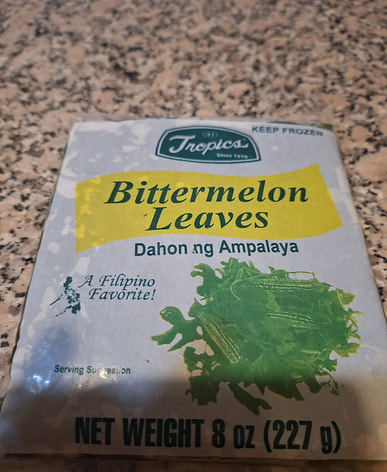 I didn't try it yet.
Trending in cities
Arlington, Virginia
Baltimore, Maryland
Boston, Massachusetts
Tempe, Arizona
Harrison, New Jersey
Irvine, California
Cambridge
Goleta
Pittsburgh, Pennsylvania
Long Island City, New York
Saint Louis, Missouri
New Haven, Connecticut
Rockville
Brighton
Jamaica Plain
Riverside
Torrance
Dorchester
Bayonne
Santa Barbara
Newark
Columbus, Ohio
Hayward
Scarsdale
Roxbury
White Plains
Gilbert
Staten Island
Providence, Rhode Island

Latest reviews
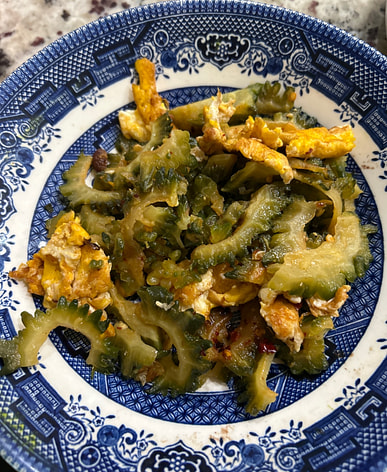 I used to stir-fry bitter melon with dried anchovies, but this time I stir-fried it with eggs at my husband's request; he prefers that. Before, I stir-fried it with salted egg yolks, which was also very fragrant.
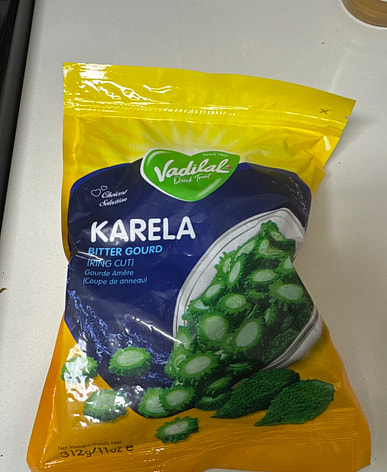 Delivery is good and picked up fresh
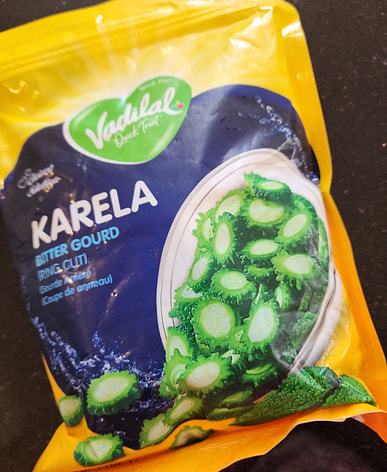 ordered for the first time, cant wait to try it
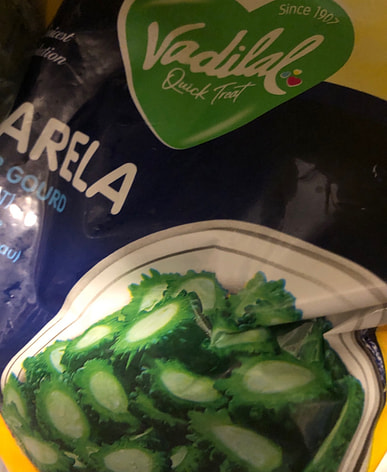 Nicely cut into thin slices
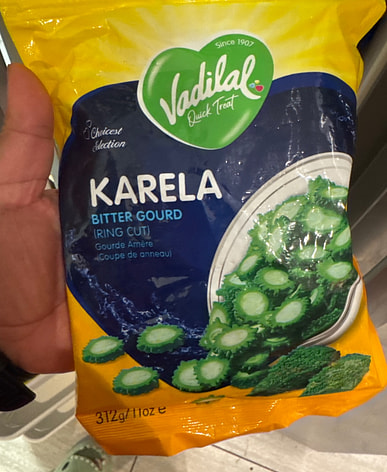 My favorite vegetable out of all
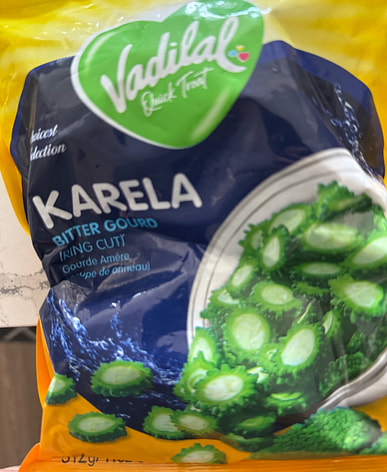 Quick delivery
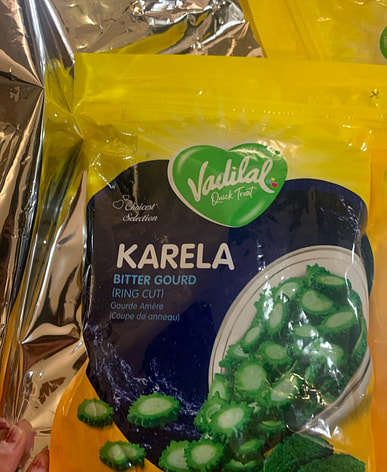 Fresh product
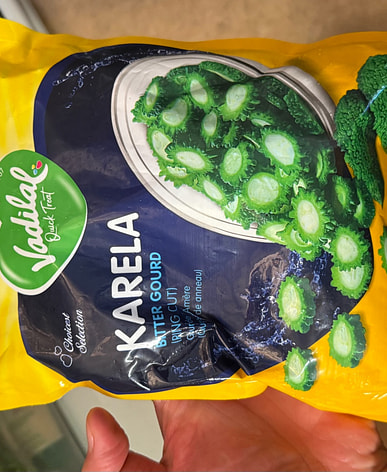 It is especially suitable for making bitter melon salted eggs, which are nutritious, delicious and go well with rice.
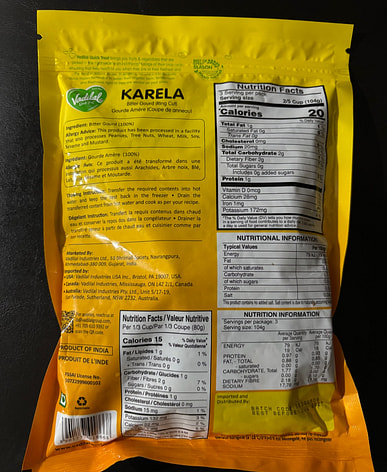 Loveeee it!
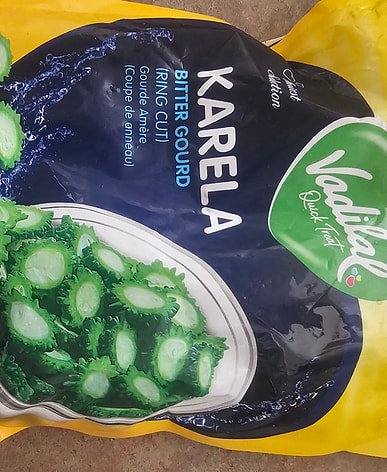 Good quality
Trending in cities
Arlington, Virginia
Baltimore, Maryland
Boston, Massachusetts
Tempe, Arizona
Harrison, New Jersey
Irvine, California
Cambridge
Goleta
Pittsburgh, Pennsylvania
Long Island City, New York
Saint Louis, Missouri
New Haven, Connecticut
Rockville
Brighton
Jamaica Plain
Riverside
Torrance
Dorchester
Bayonne
Santa Barbara
Newark
Columbus, Ohio
Hayward
Scarsdale
Roxbury
White Plains
Gilbert
Staten Island
Providence, Rhode Island
Latest reviews
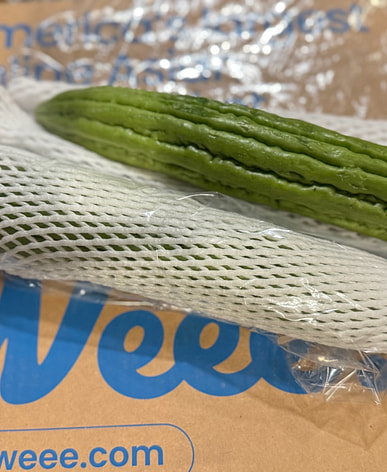 Fresh and great price! Weee!
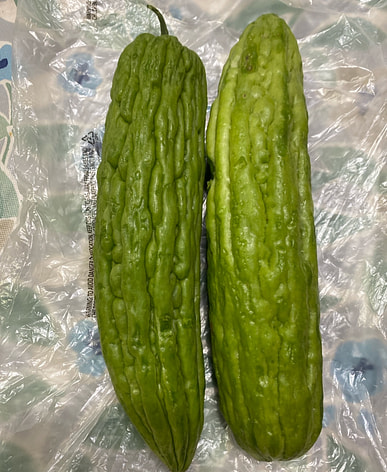 I like these bittermelon than the bittermelon from India (carela), which is more bitter, darker, shorter, and more bumpy. These bittermelon is less bitter, lighter in color, longer and less bumpy than the Indian bitter melon.
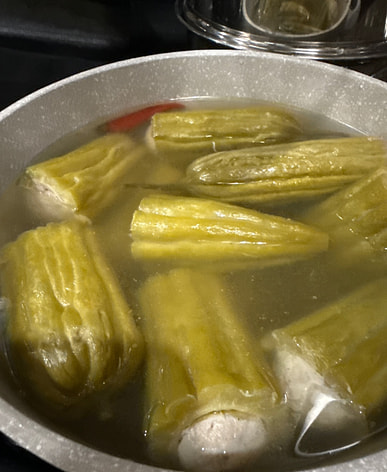 Bitter melon soup with snakehead fish for Tet
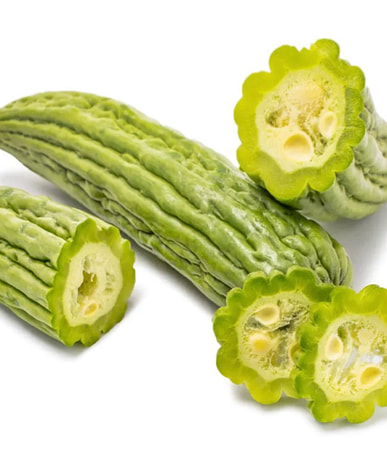 Really fresh and affordable price.
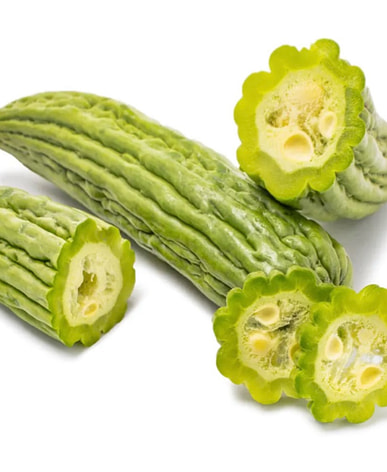 This is really good for health care reasons. I cooked pinakbet using my bitter melon.

Trending in cities
Arlington, Virginia
Baltimore, Maryland
Boston, Massachusetts
Tempe, Arizona
Harrison, New Jersey
Irvine, California
Cambridge
Goleta
Pittsburgh, Pennsylvania
Long Island City, New York
Saint Louis, Missouri
New Haven, Connecticut
Rockville
Brighton
Jamaica Plain
Riverside
Torrance
Dorchester
Bayonne
Santa Barbara
Newark
Columbus, Ohio
Hayward
Scarsdale
Roxbury
White Plains
Gilbert
Staten Island
Providence, Rhode Island
Asian groceries delivered to your door
Weee! serves the major metropolitan areas across the United States as a trusted Asian online grocery store, bringing together products and ingredients from Chinese, Japanese, Korean, Vietnamese, Thai, Filipino, and Indian supermarkets. Shop everyday essentials including dairy, vegetables, fruits, and fresh produce, along with frozen meats and seafood, carefully packed with dry ice and offered in traditional cuts and formats familiar to Asian households. Now accepting EBT/SNAP at checkout in the largest U.S. cities. Buying Asian groceries online has never been easier or more reliable.
Top products for ampalaya
- $2.88 - $5.99Bitter Melon 1-1.3 lb 1K+ Sold weekly
- $3.59 - $6.99Indian Bitter Melon 2 lb 600+ Sold weekly
- $2.19 - $2.99Tropics Ampalaya Bittermelon Leaves 300+ Sold weekly
- $2.19 - $3.29Vadilal Karela (Bitter Melon) Frozen 100+ Sold weekly
- $0.99Bitter Melon 1 count
 $4.99Short Chinese Bitter Melon 1.2-1.5 lb
 $2.69 - $4.99Filipino Eggplant 1 lb 1K+ Sold weekly
 $2.79 - $2.99Deep Premium Karela Ring Cut
 13% off$3.99 - $4.59Opo Squash 2.4-2.8 lb 1K+ Sold weekly
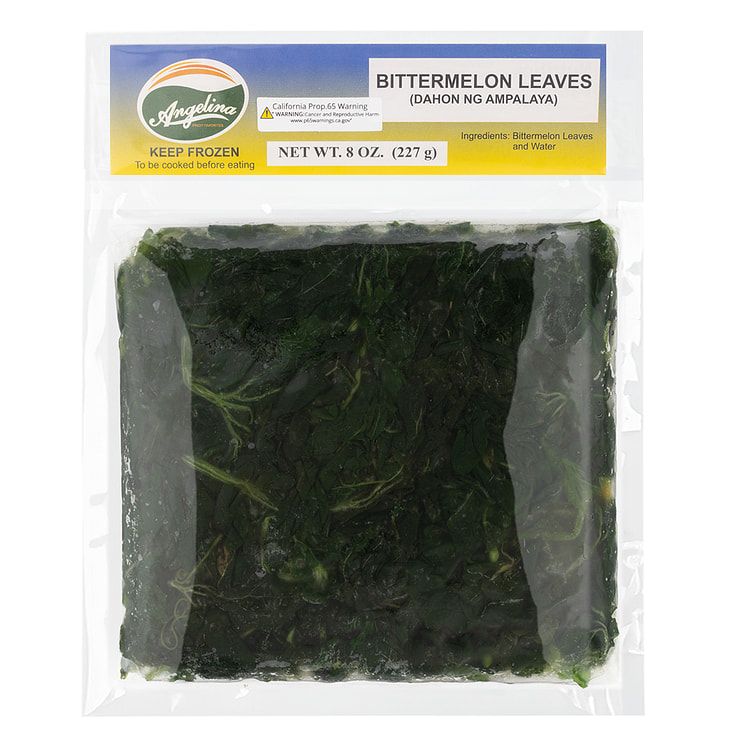 $2.79Angelina Bittermelon Leaves (Dahon ng Ampalya) 8 oz
 $2.98 - $6.29Kabocha approximately 2-2.3lb 1 count 1K+ Sold weekly
 $4.99 - $6.99Eggplant 2-3ct 1.9-2.1 lb
 20% off$2.79 - $3.49Indian Okra 0.9-1.1 lb 1K+ Sold weekly
 25% off$2.99 - $3.99Green Long Bean 1K+ Sold weekly
 $1.29 - $2.79Shallots 1 bag 1 lb 1K+ Sold weekly
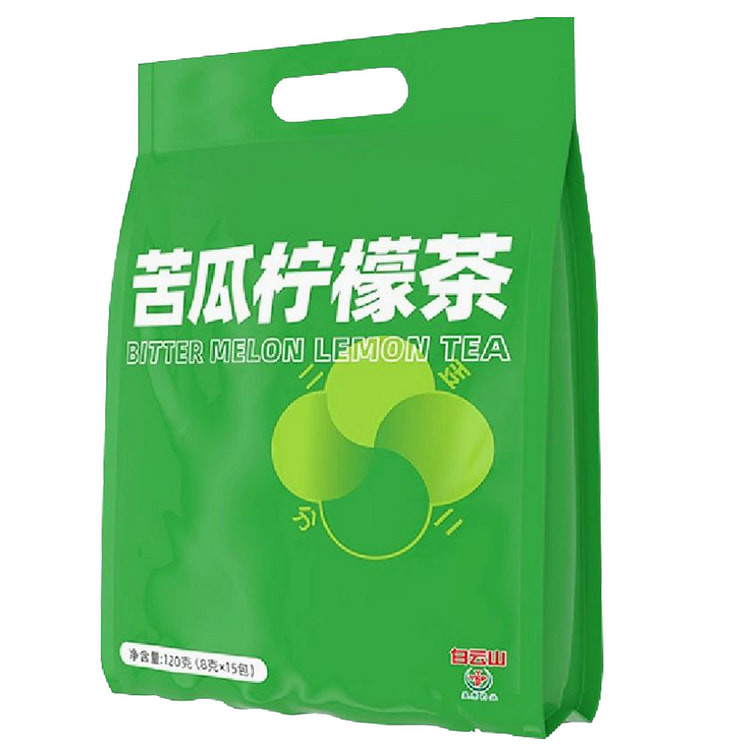 70% off$2.90 - $9.90Lemon, Bitter melon Oolong tea
 33% off$1.99 - $2.99Green Cabbage 1 count 1K+ Sold weekly
 $4.99 - $5.29Chinese White Bitter Melon
 $3.29 - $4.99Green Papaya 1 count 800+ Sold weekly
 20% off$3.99 - $4.99Chinese Eggplant 2-2.3 lb 1K+ Sold weekly
 6% off$4.69 - $4.99Roma Tomatoes 1 Bag 2 lb 1K+ Sold weekly
Related products for ampalaya
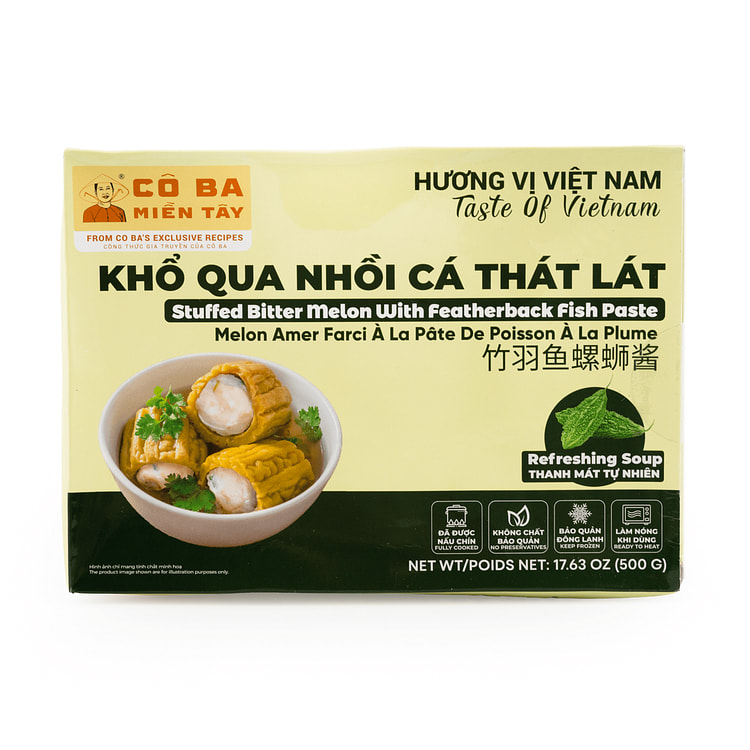 $11.99 - $13.49Stuffed Bitter Melon with Featherback Fish Paste, Frozen 17.63 oz
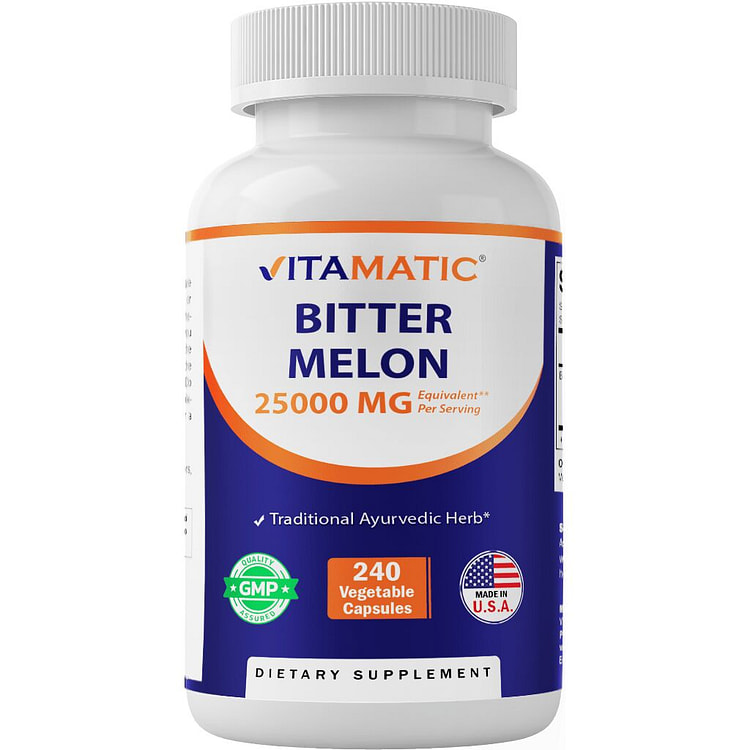 $14.99Bitter Melon 25000mg - 240 Vegetarian CapsuleShips from Vitamatic
 $65.25Bitter Melon Tablets 200gShips from K Healing
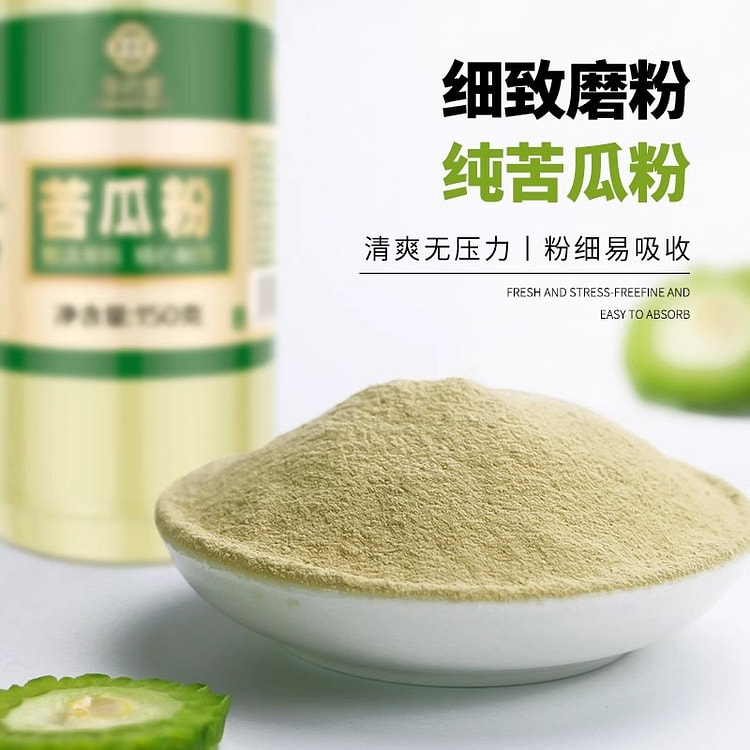 15% off$16.90 - $19.99Bitter melon powder 150g edible powder freshly groShips from Quanshen Select
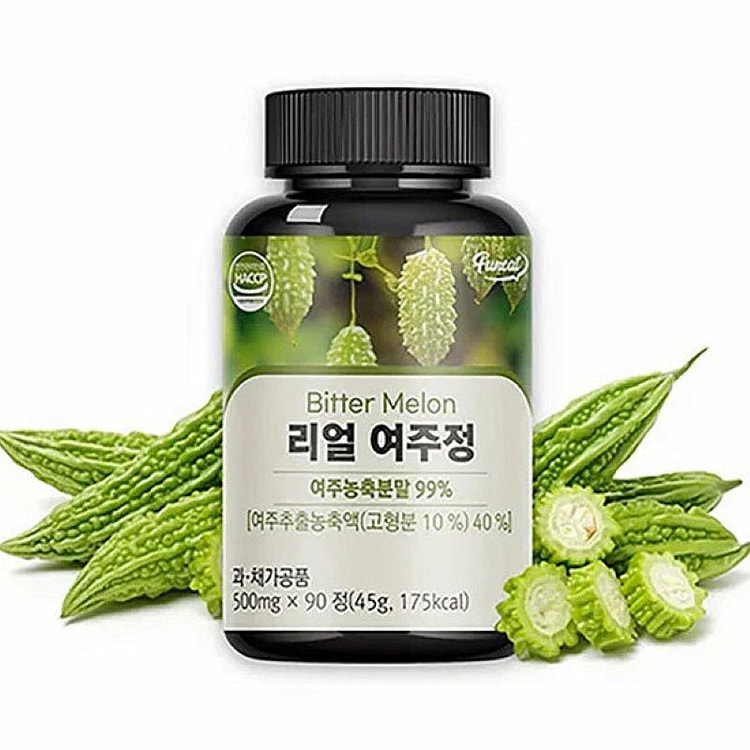 $18.99Punit Real Bitter Melon Tablets 90 countShips from Hanpoom
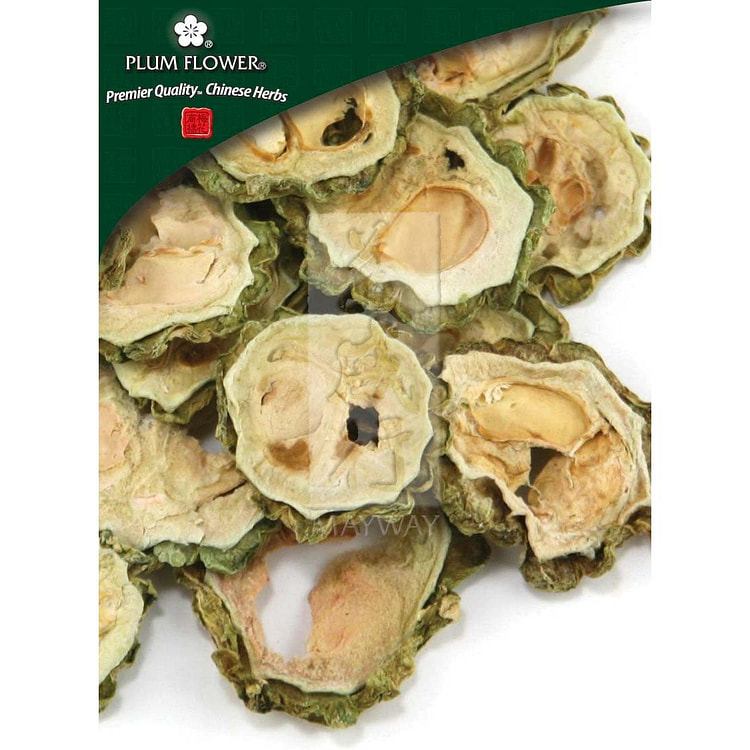 $34.99Ku Gua, unsulfured Momordica charantia fruitShips from Affluent Supply
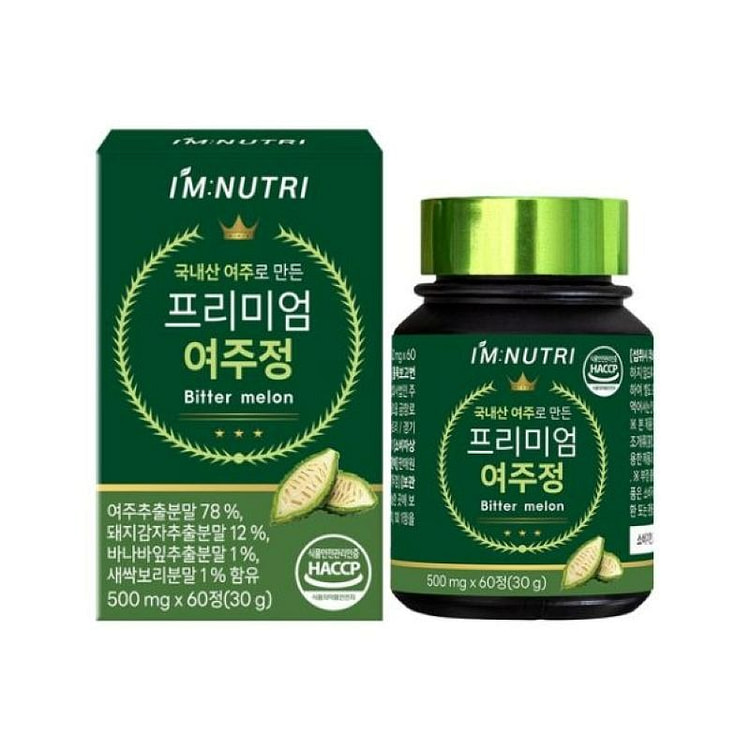 $27.99I'm Nutri Premium Bitter Melon Tablets 60 countShips from Hanpoom
 $26.99Bitter Melon Cornus Polygonatum Capsules 24g 24 gShips from Youme
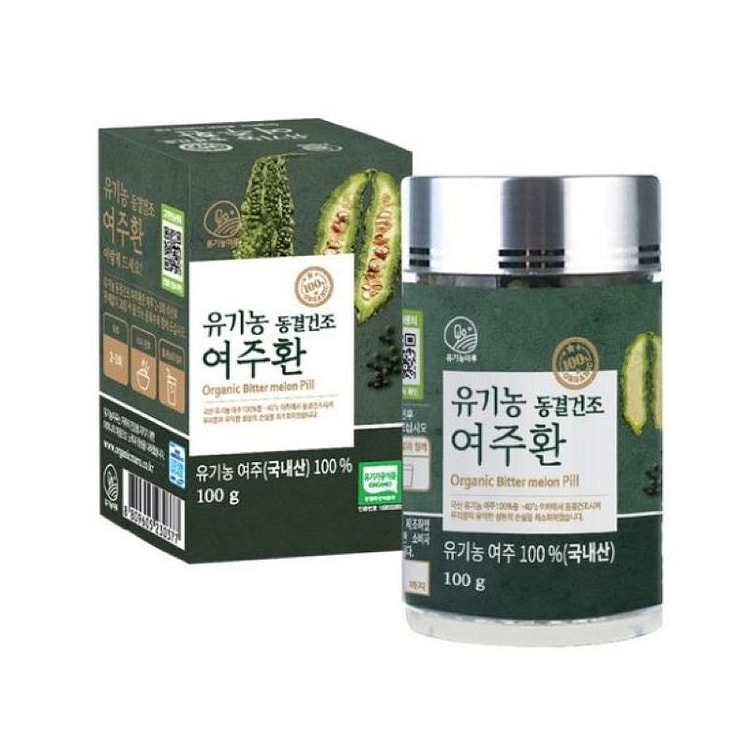 $49.99Organic Maru Freeze-Dried Bitter Melon Pills 100 gShips from Hanpoom
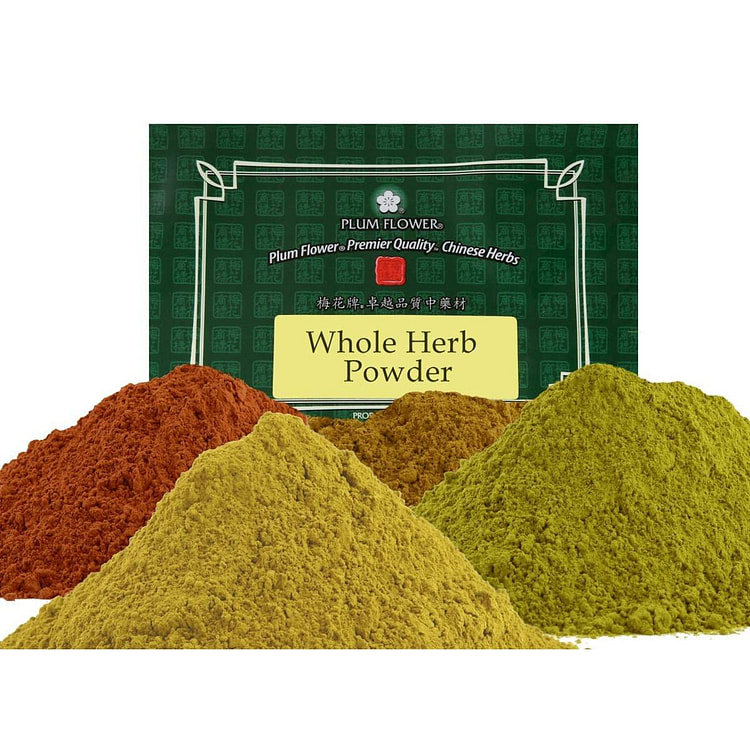 $34.99Ku Gua, powder, unsulfured Momordica charantia fruitShips from Affluent Supply
 $84.95Premium 100% Natural Hamyang Bitter Melon Tablets (200g)Ships from K Healing
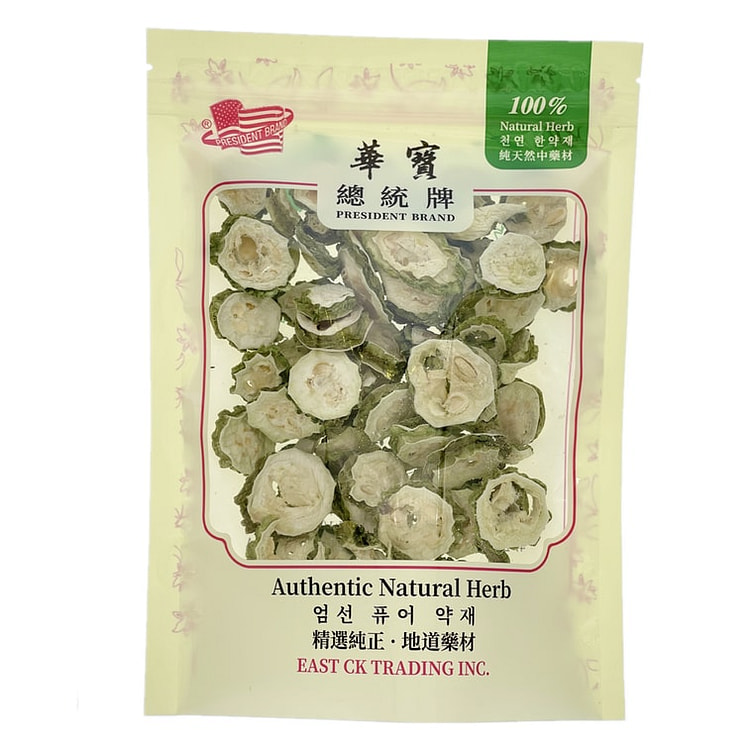 $6.99PresidantBrand Bitter Melon SlicesShips from Kohort Store
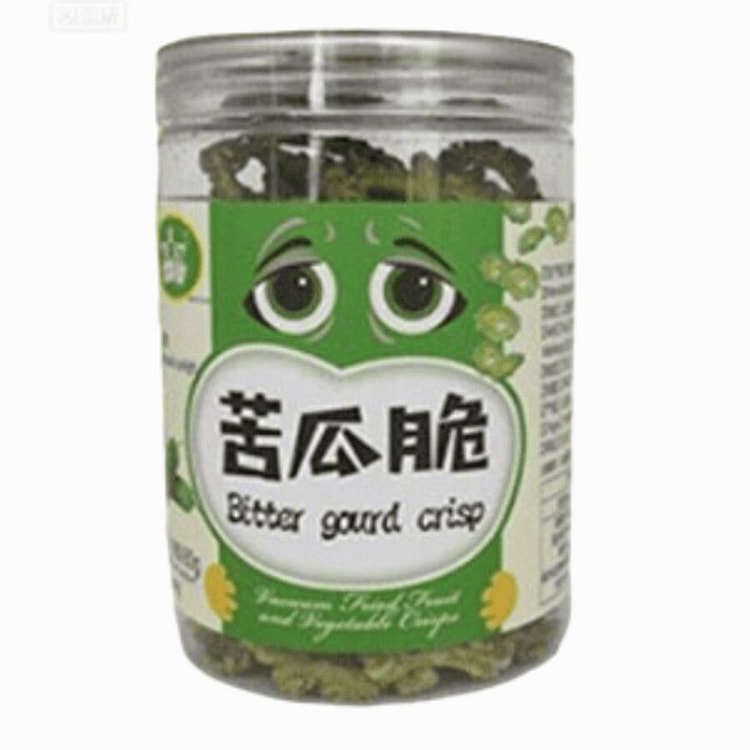 9% off$9.00 - $10.00Bitter gourd 80g dehydrated dried vegetablesShips from Snack Light
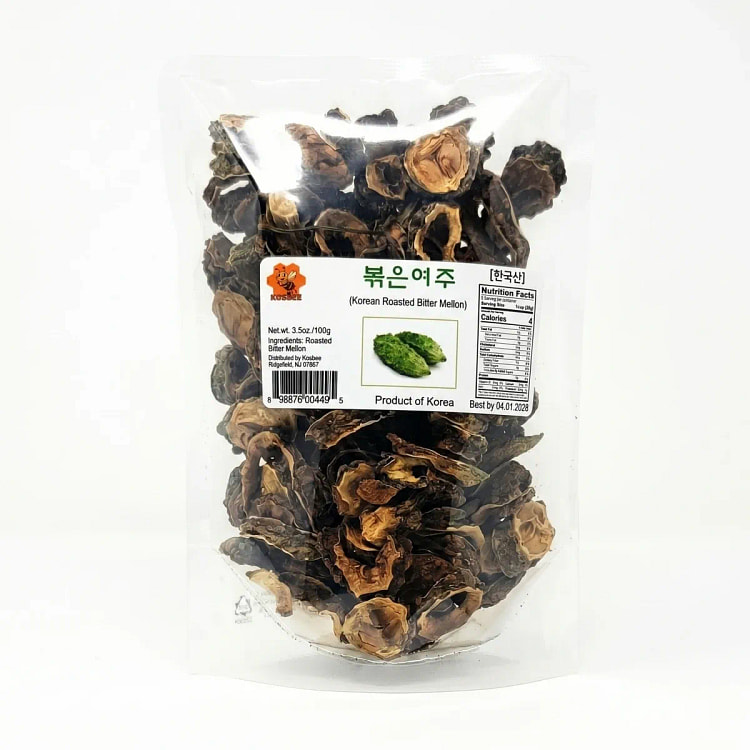 $15.99KOSBEE Premium Roasted Bitter Melon 3.5 ozShips from Kosbee
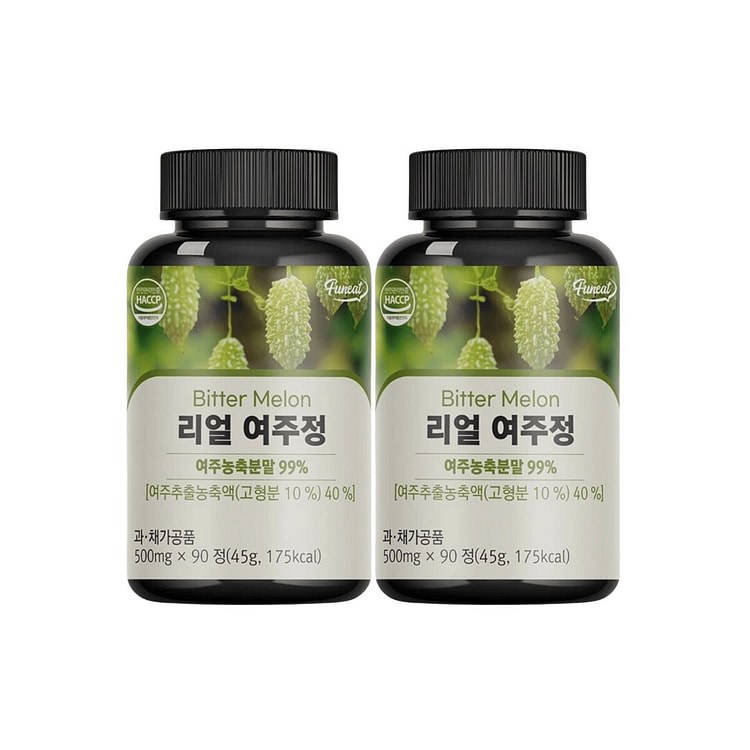 29% off$20.30 - $29.00Korean Bitter Melon Capsules | 90 TabletsShips from K-Style Korner
 $12.98Instant Bitter Melon Crisps 40 gShips from YUMING SUPERMARKET
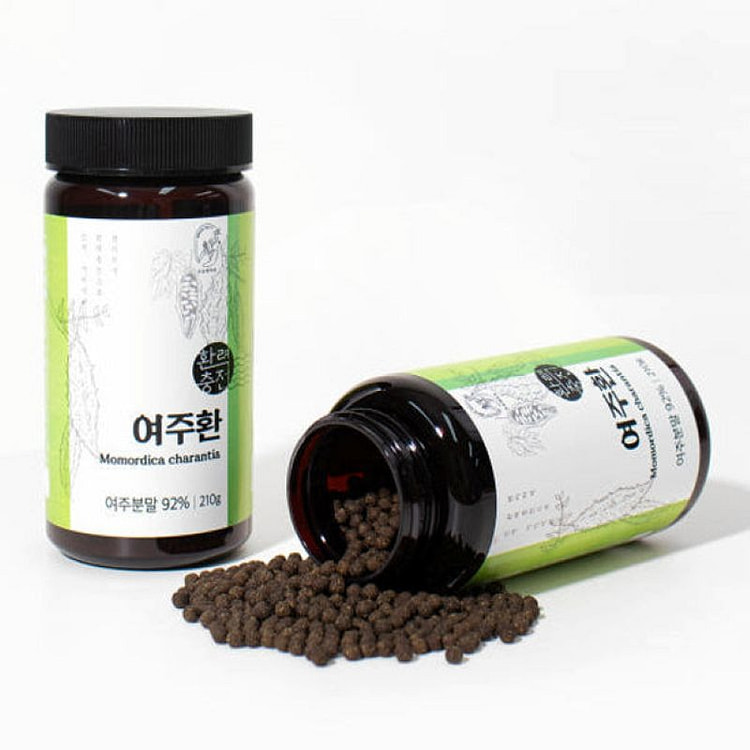 $26.99Dusonae Yakcho Korean Bitter Melon Pills 210 gShips from Hanpoom
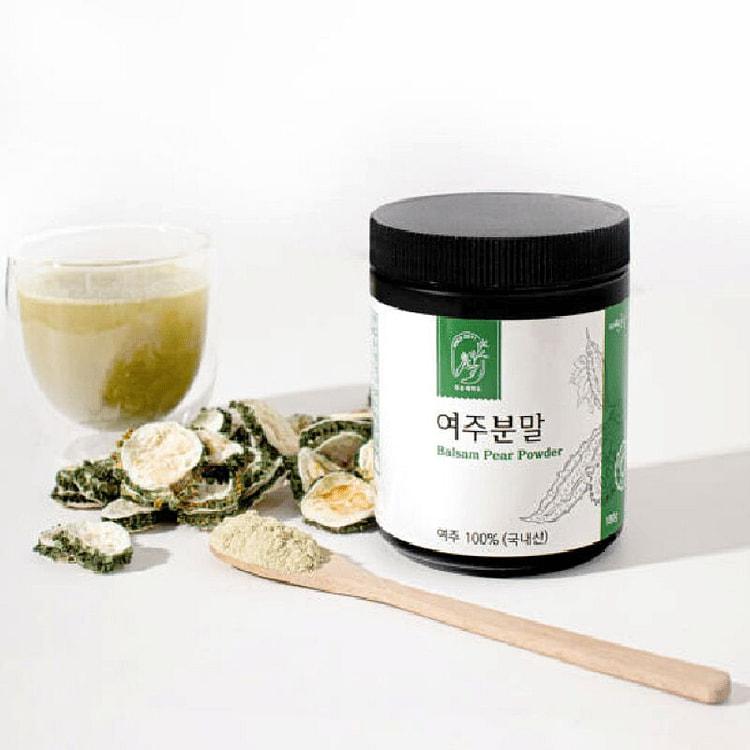 $24.99DooSon Herbal Korean Bitter Melon Powder 180 gShips from Hanpoom
 $6.99Organic Dried Bitter Gourd Slice (Balsam Pear)Ships from Big Green Natural
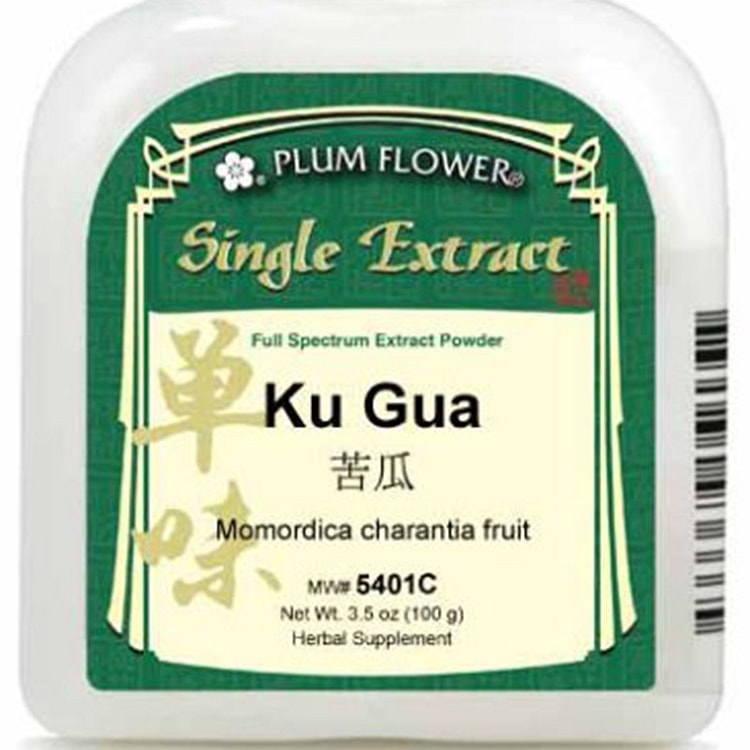 $37.99Ku Gua, extract powder Momordica charantia fruitShips from Affluent Supply
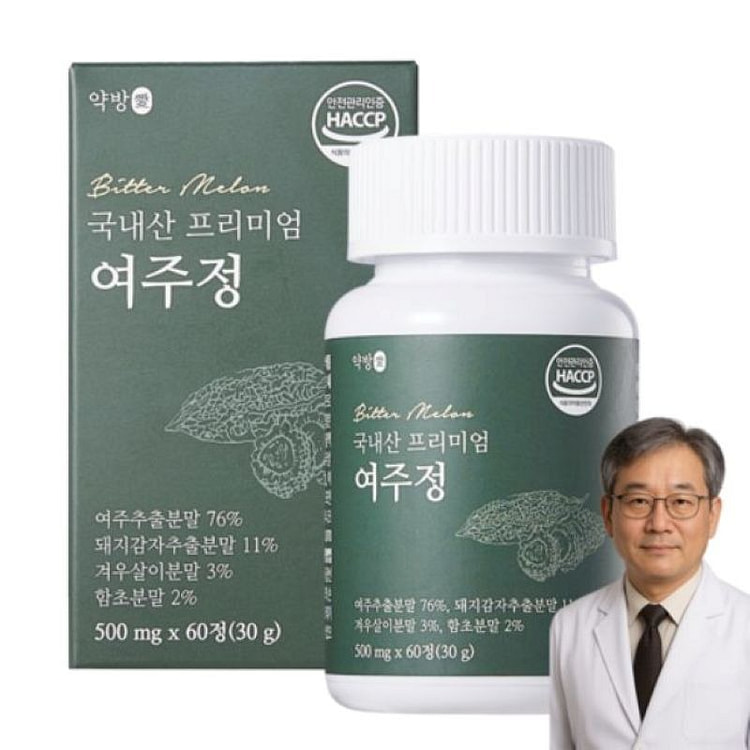 $27.99Loungecell Premium Korean Bitter Melon Tablets 60 countShips from Hanpoom
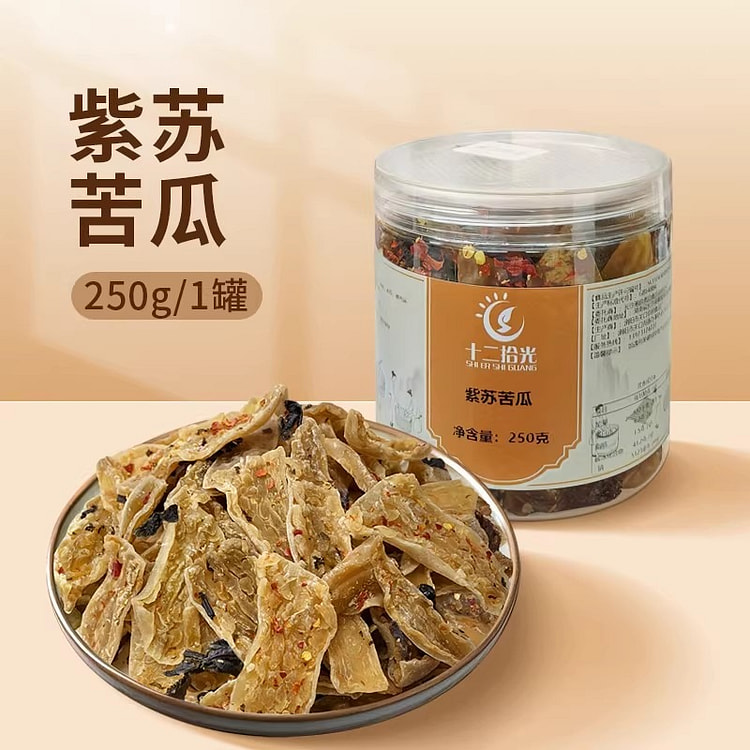 12% off$22.50 - $25.80Perilla bitter melon slices, dried bitter melon, r 250 gShips from Qiaoba Enjoy Life Store
 10% off$42.99 - $47.77Bitter Melon & Lotus Leaf Slimming Tablets (3 Bott 1 eachShips from Mei Higo
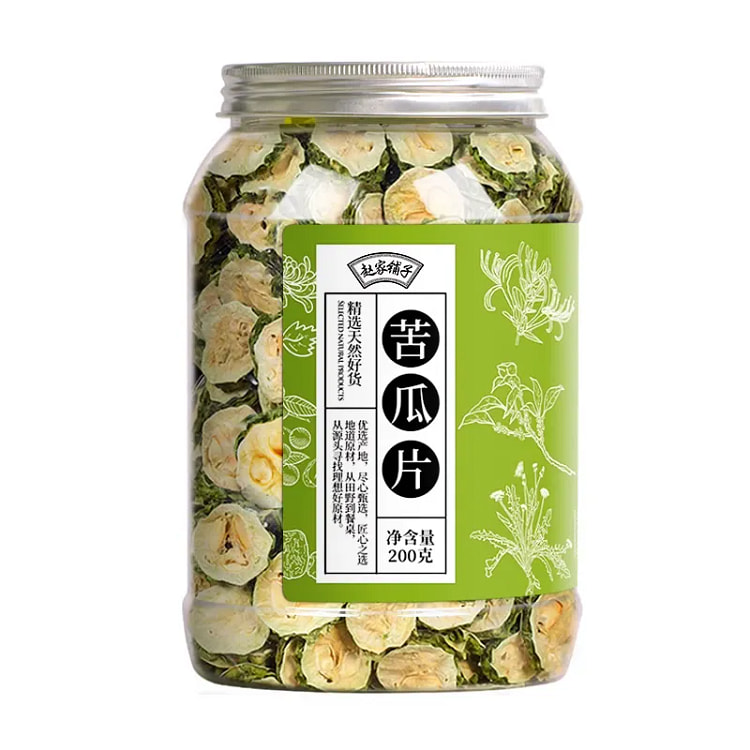 $25.99Bitter melon slices dried 1 canShips from RuiZiHao
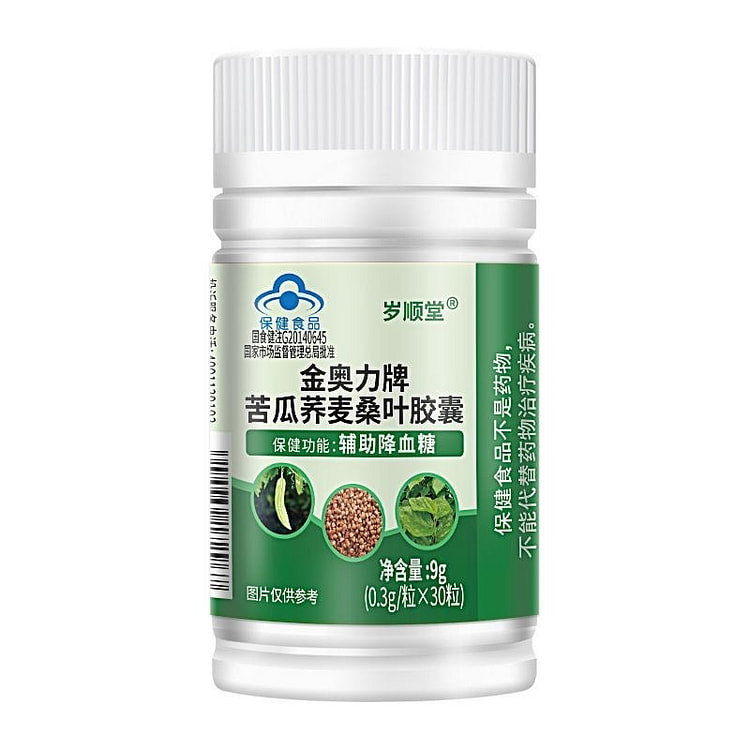 10% off$15.99 - $17.77Bitter melon, buckwheat, and mulberry leaf capsule 1 boxShips from Mei Higo
 $48.88Bitter gourd and lotus leaf fiber tablets,2 shots3Ships from Slimming Place
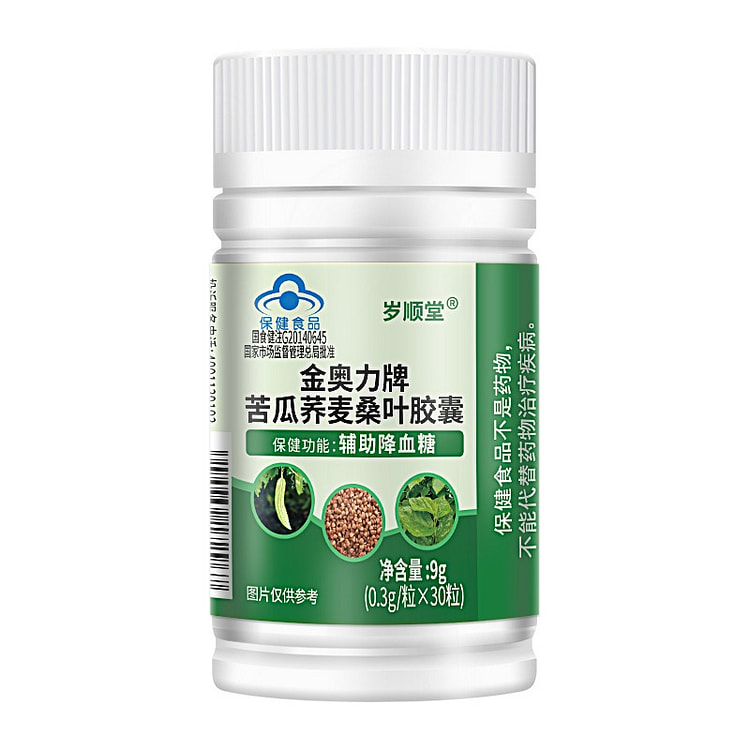 $18.88Bitter Melon Buckwheat Mulberry Leaf Capsules 30 capsulesShips from Slimming Place
 $15.59Karela / Bitter Melon - Glycemic & Diabetes Control (Sandhu's Ayurveda) - 60 capsulesShips from iShopIndian
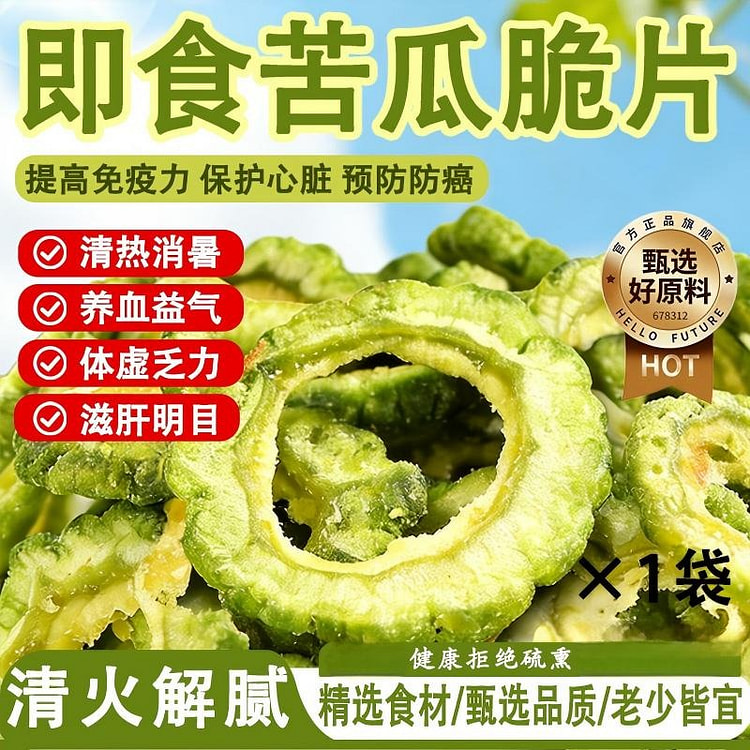 15% off$20.99 - $24.70Instant bitter gourd crispy chips 80g 80 gShips from Jiaweishiguang
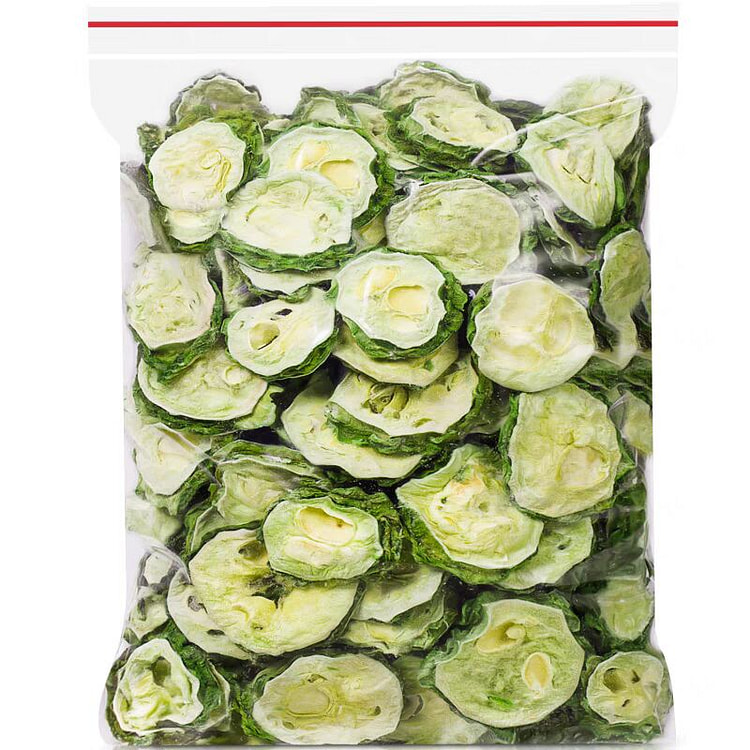 $21.93Bitter melon dried teaShips from YIXIN
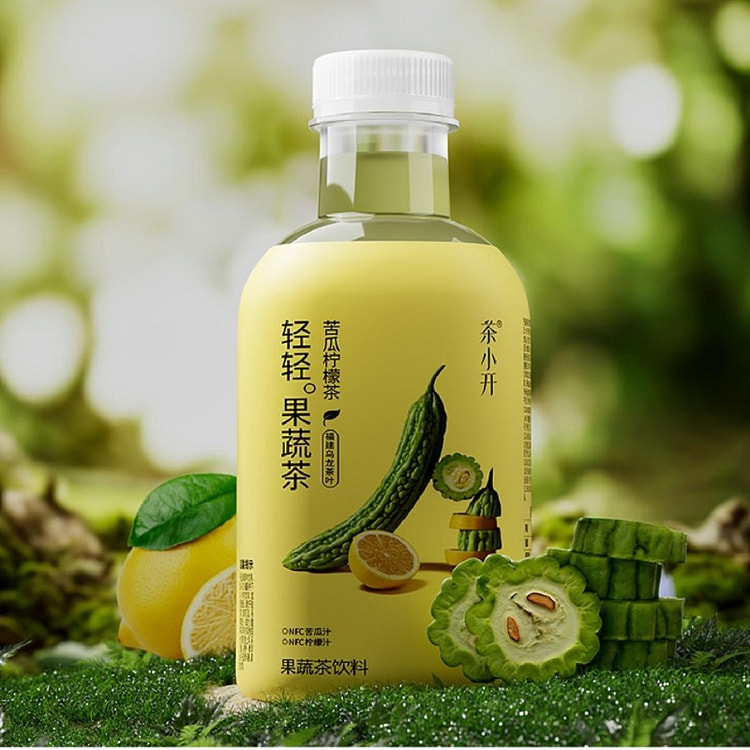 $1.99Bitter Melon Lemon TeaShips from AZ Outlet
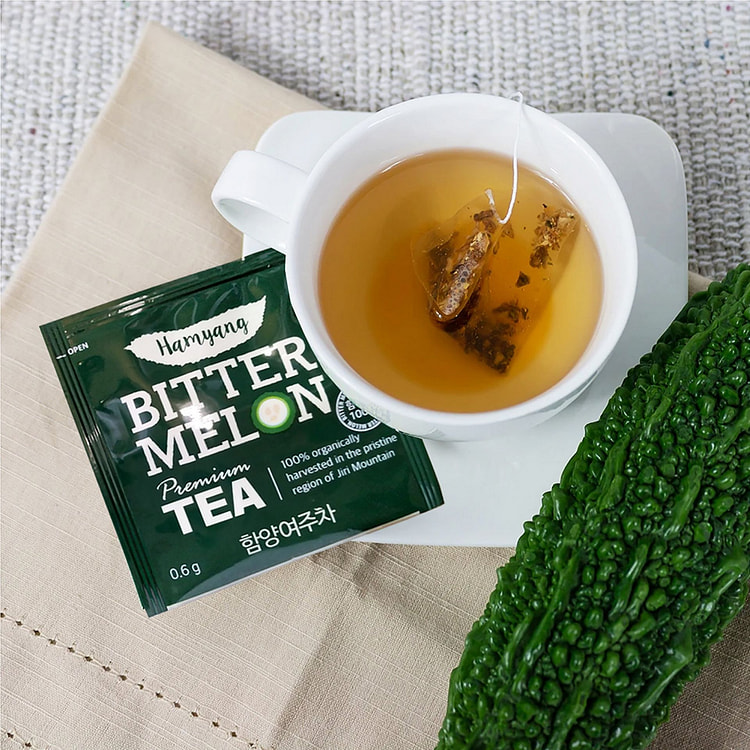 $14.35Hamyang 100% Organic Premium Bitter Melon Tea 1 eachShips from K Healing
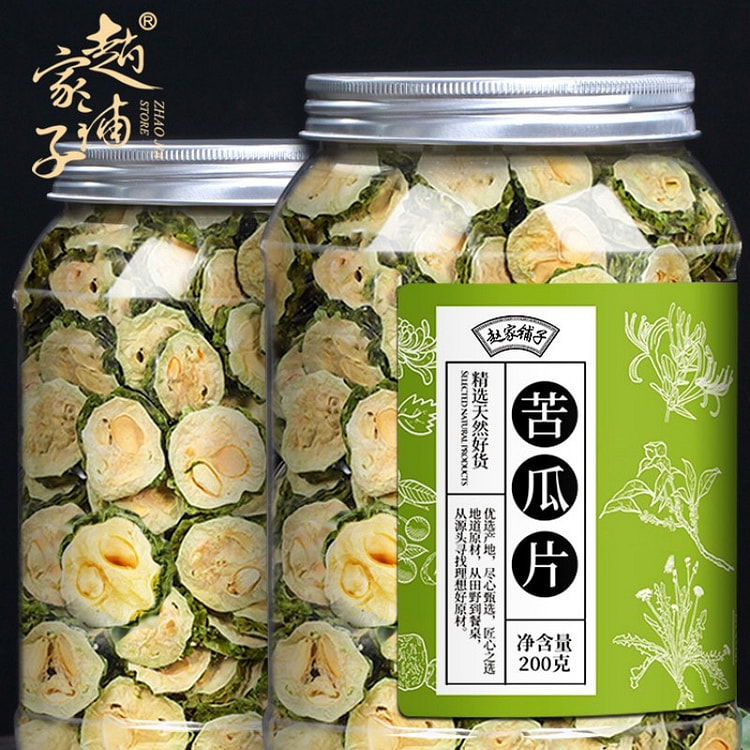 5% off$13.11 - $13.80Bitter Melon Tea Dried Natural Vegetable tea 200gShips from SHENG JIN JI
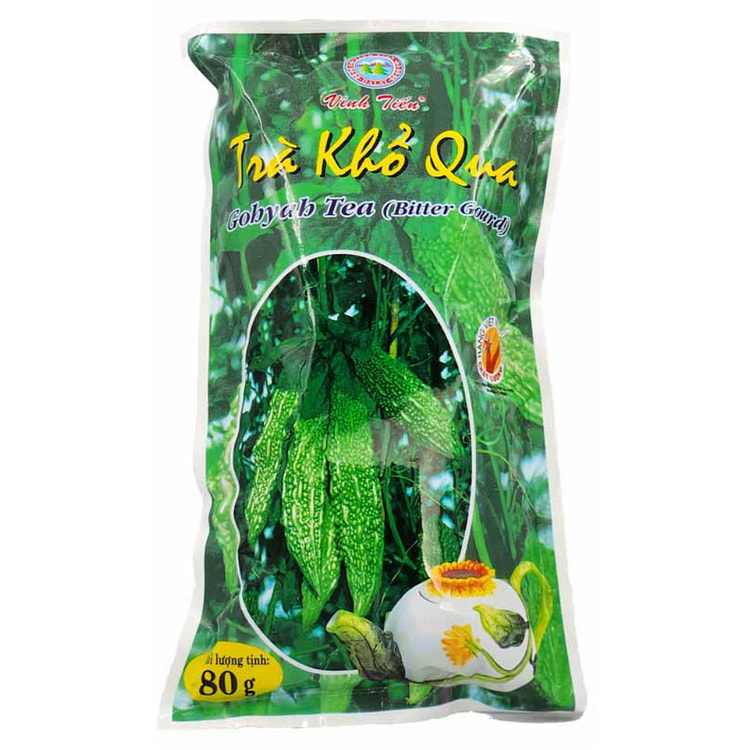 $5.99VINH TIEN Bitter Gourd Tea 80gShips from AE Food Store
 10% off$5.58 - $6.21Yamamoto Kampo Bitter Melon Tea 36pcsShips from EITO JAPAN
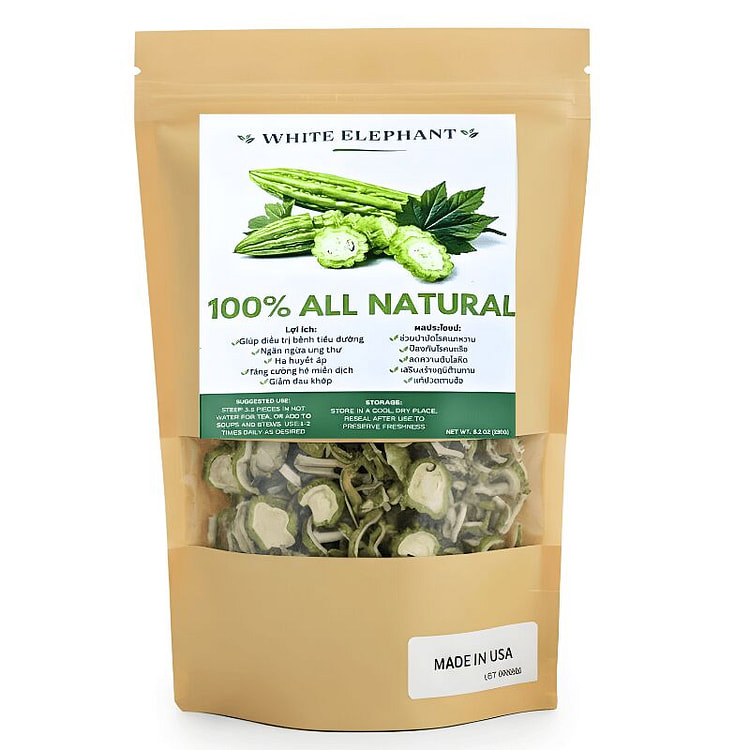 $22.99White Elephant Bitter Melon Tea 150g 1 eachShips from AE Food Store
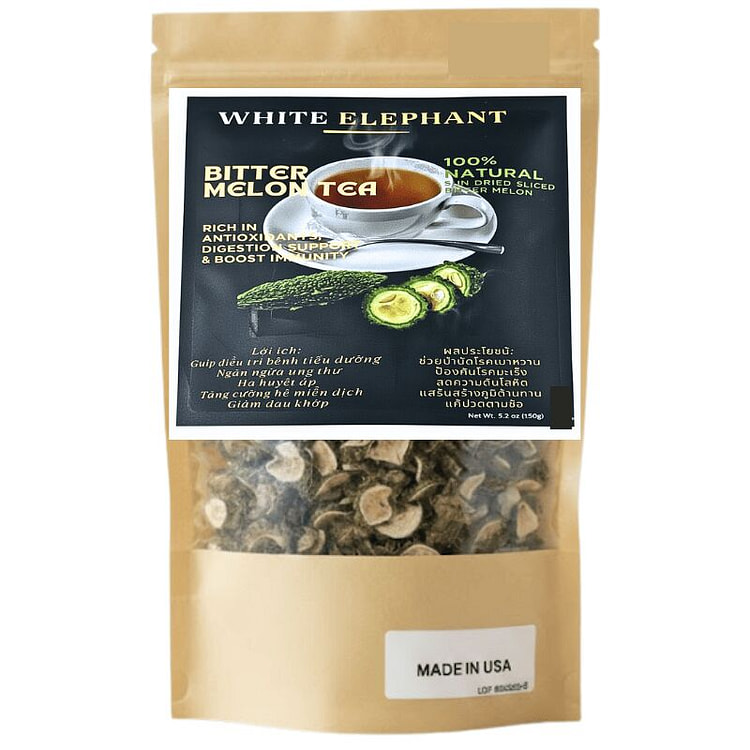 $22.99White Elephant Dried Bitter Melon Tea 150g 1 eachShips from AE Food Store
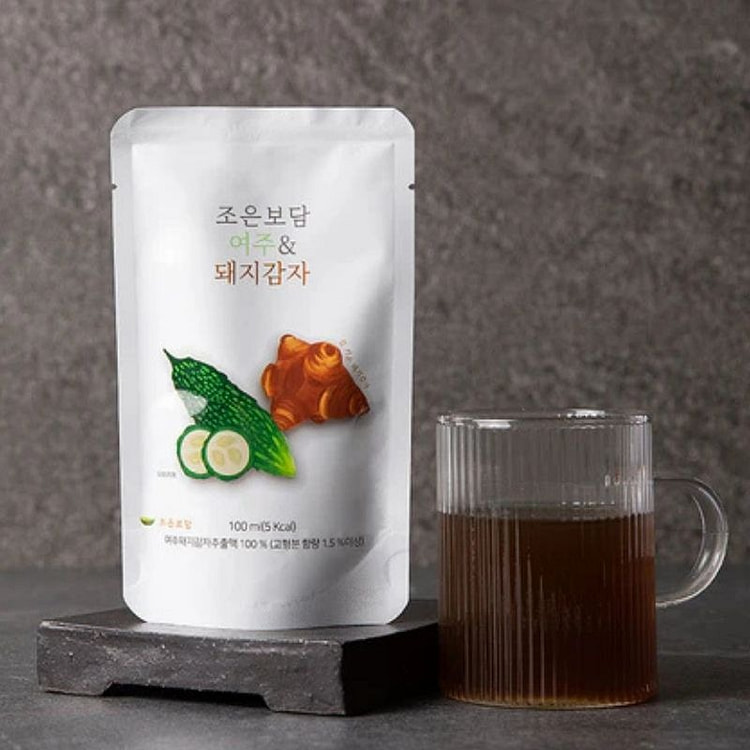 $34.99bitter melon & jerusalem artichoke Tea 100 ml*30 packShips from Premium K
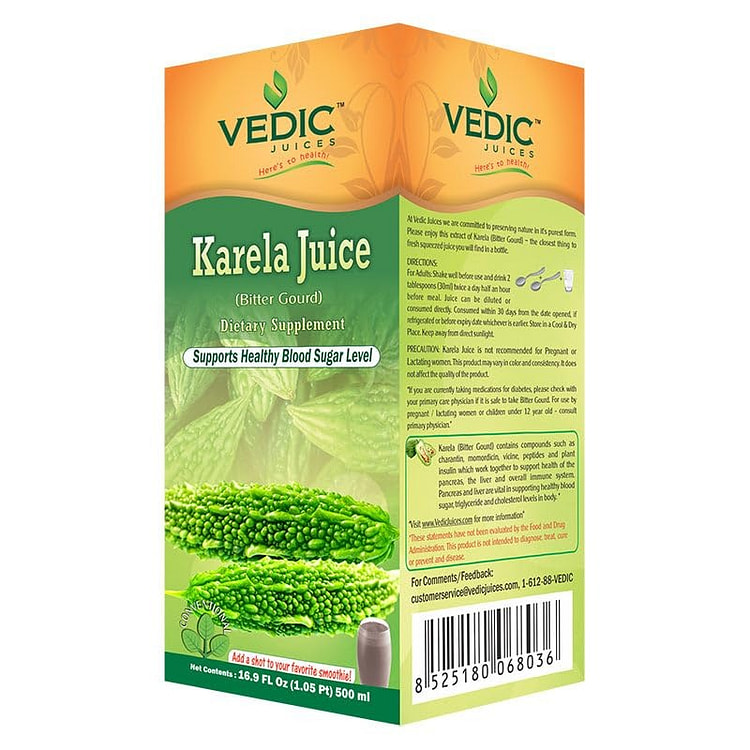 5% off$15.19 - $15.99Vedic Juice Bitter Gourd(Karela) Juice | 16.4 floz 16.4 ozShips from VEEVAA
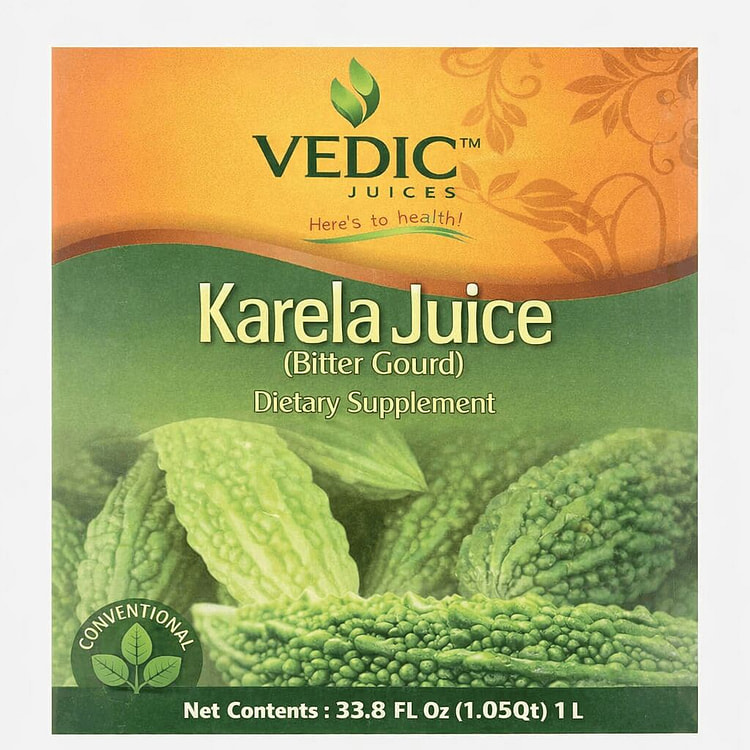 5% off$20.89 - $21.99Vedic Juice Bitter Gourd(Karela) Juice | 33.8 floz 33.8 ozShips from VEEVAA
Popular recipes
Stir-Fried Ampalaya with Shrimp
This simple stir-fry combines the bitterness of ampalaya with the savory flavors of shrimp and Asian spices. A quick and nutritious dish that can be prepared in no time!
Ampalaya and Tofu Rice Cooker Dish
Create a flavorful and healthy rice cooker dish by adding ampalaya and tofu. The rice cooker ensures a perfectly cooked meal every time, with ampalaya infusing its unique taste throughout.
Instant Pot Ampalaya Soup
With the help of an instant pot, you can easily make a delicious ampalaya soup. The pressure cooking method allows the flavors to blend perfectly, resulting in a comforting and nutritious dish.
Spicy Ampalaya Stir-Fry
Add some heat to your meal with this spicy ampalaya stir-fry. The combination of ampalaya, Asian spices, and a touch of chili creates a flavorful and vibrant dish that will surely excite your taste buds.
Honey Glazed Ampalaya with Sesame Seeds
Elevate the taste of ampalaya by glazing it with honey and sprinkling sesame seeds. This simple yet delicious dish adds a touch of sweetness and nuttiness to balance the bitter flavors of ampalaya.














 Customer since 2018
 Phoenix, AZCustomer since 2020Connecticut, CTCustomer since 2023Washington DCCustomer since 2020Los Angeles, CA
Frequently asked questions
What is ampalaya?
Ampalaya, also known as bitter melon, is a vegetable native to South Asia and is characterized by its bitter taste.
What are the health benefits of ampalaya?
Ampalaya is rich in vitamins, minerals, and antioxidants. It is known to help regulate blood sugar levels, improve digestion, and boost the immune system.
Can I eat ampalaya raw?
Ampalaya can be eaten raw, but its bitter taste is often reduced by blanching it in boiling water for a few minutes before consumption.
Can I freeze ampalaya?
Yes, ampalaya can be frozen. Prior to freezing, blanch the ampalaya in boiling water for a few minutes, then plunge it into ice water to cool. Once cooled, drain the excess water, pack it in airtight containers or freezer bags, and store in the freezer.
Can I substitute ampalaya with another vegetable?
While there is no exact substitute for the unique bitter taste of ampalaya, you can replace it with other bitter vegetables like bitter gourd or dandelion greens in certain recipes.
Does cooking reduce the bitterness of ampalaya?
Yes, cooking ampalaya helps reduce its bitterness. Sautéing or stir-frying it with other ingredients and seasoning can help balance the taste.
Can I grow ampalaya in my garden?
Yes, ampalaya can be grown in a garden or even in pots. It requires warm weather, well-drained soil, and plenty of sunlight.
Are there any traditional dishes that use ampalaya?
Yes, ampalaya is commonly used in various traditional dishes across different cuisines, such as Filipino pinakbet, Indian stir-fries, and Chinese bitter melon soup.
Where can I buy ampalaya?
You can buy it at Weee! Asian Market, www.sayweee.com.
How do I prepare ampalaya?
Ampalaya can be prepared by slicing it into thin rounds or dicing it. It is commonly stir-fried, sautéed, or used in soups and stews.
Does ampalaya have any side effects?
While ampalaya is generally safe to consume, it can cause gastrointestinal discomfort and diarrhea in some individuals, especially when consumed in large quantities.
Is ampalaya suitable for diabetic individuals?
Yes, ampalaya has been traditionally used to help lower blood sugar levels and is considered beneficial for diabetic individuals. However, it is recommended to consult with a healthcare professional before making any dietary changes.
How long does ampalaya stay fresh in the refrigerator?
When stored properly in a sealed plastic bag or container, ampalaya can stay fresh in the refrigerator for up to one week.
Is ampalaya a good source of vitamins?
Yes, ampalaya is a good source of vitamins, including vitamin C, vitamin A, and various B vitamins.
Is ampalaya a low-calorie vegetable?
Yes, ampalaya is a low-calorie vegetable, making it a good choice for those watching their calorie intake.
How can I reduce the bitterness of ampalaya?
To reduce the bitterness of ampalaya, you can soak it in salted water for about 15-30 minutes before cooking. This can help remove some of the bitter compounds.
Is ampalaya gluten-free?
Yes, ampalaya is naturally gluten-free, making it suitable for individuals with gluten intolerance or celiac disease.
Popular reviews
- Bitter melons is one of my family’s favorite vegetables. I received two beautiful fruits. Stuffed with shrimp paste and made a curry with it. This is the way my family likes it. Can be served with rice or roti. Bitter is a healthy and nutritious vegetable. This is a repurchase many times.
- Very fresh and good quality....
- The bitter melon is small, just the right size to stuff with meat; it's delicious, refreshing, and helps lower blood sugar.
- Great quality. Well packed item
- Delicious and fresh! I cooked with shrimp and egg , love them.
- Love this!! Thank you weee!
- I’ve been ordering ampalaya here cause it’s better quality than the one I see from the local market in my area.
- There’s something so satisfying about eating ampalaya. It has that distinct bite, but knowing how healthy it is makes it taste even better. It’s a staple in my kitchen for a reason. Very fresh good with scrabled eggs.
- it almost fresh but still can consume..cook it rigth away.
- Looks freshhhh thanks Sliced Banana - i thought I ordered not included
- Fresh Karela delivered nicely packed. Loved it
- Not fresh … it’s dry sm
- Sorry I took it out of the bag. Fresh & great quality
- beautiful karalay.
- Fresh and good
- I absolutely love bitter melons, all varieties. It’s fresh, green and young, as it should be. Here it’s prepared with masala and eddoes. Very yummy and delicious. It can be served with steamed rice or roti, or just as it is…this is the way I like to enjoy it.
- Good Quality
- Delicious, not soft.
- I didn't expect this item to be this much! Thwy look fresh.
- best with mung beans or grilled chicken
- I used to stir-fry bitter melon with dried anchovies, but this time I stir-fried it with eggs at my husband's request; he prefers that. Before, I stir-fried it with salted egg yolks, which was also very fragrant.
- Delivery is good and picked up fresh
- ordered for the first time, cant wait to try it
- Nicely cut into thin slices
- My favorite vegetable out of all
- Quick delivery
- Fresh product
- It is especially suitable for making bitter melon salted eggs, which are nutritious, delicious and go well with rice.
- Loveeee it!
- Good quality
- Fresh and great price! Weee!
- I like these bittermelon than the bittermelon from India (carela), which is more bitter, darker, shorter, and more bumpy. These bittermelon is less bitter, lighter in color, longer and less bumpy than the Indian bitter melon.
- Bitter melon soup with snakehead fish for Tet
- Really fresh and affordable price.
- This is really good for health care reasons. I cooked pinakbet using my bitter melon.
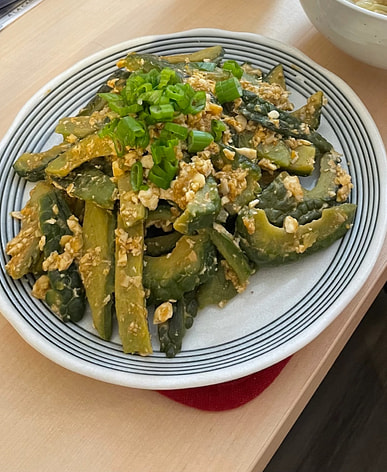 Four in a bag ~ Pick out the seeds, just enough to cook one dish ~ Easy to process, not too bitter
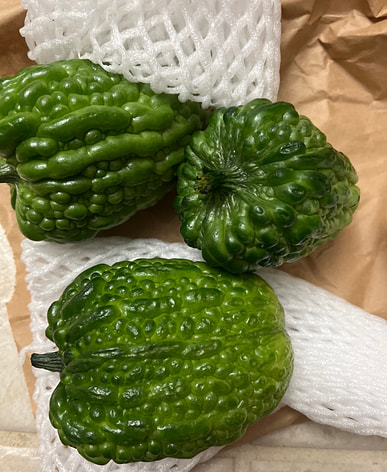 The bitter melon got burn from the cold.
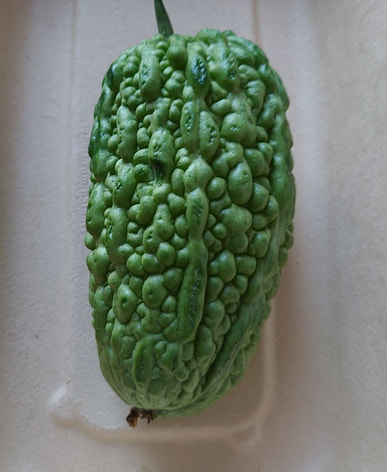 Fresh, good looking, will buy again
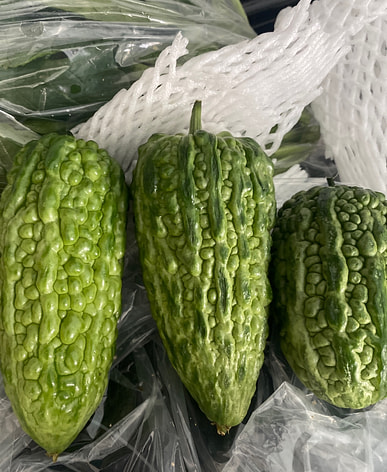 Buy back items. has been pressed.
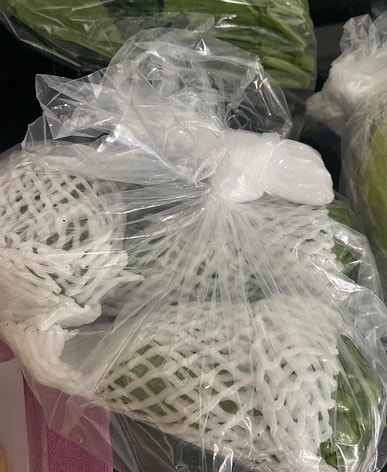 Repurchase product, worth buying.
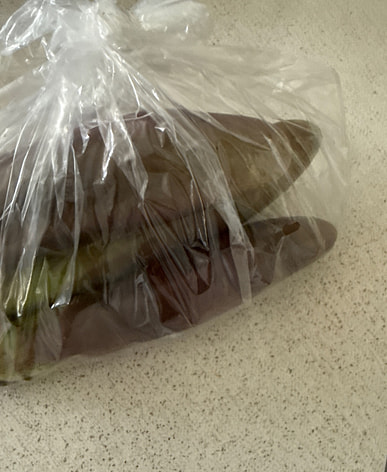 Eggplant is fresh and nicely packed
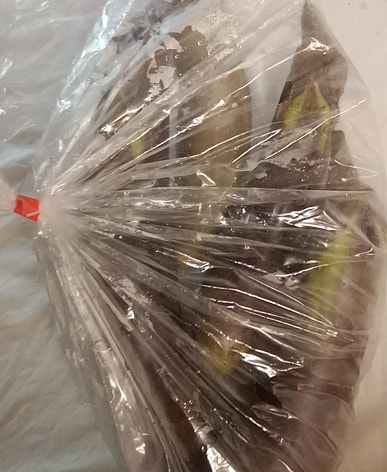 Good quality and quantity
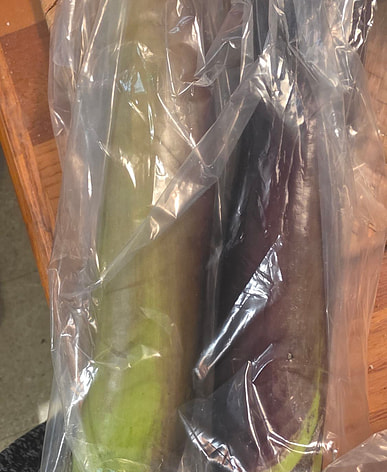 its fresh and firm. good for eggplant salad with tomatoes, onions and red eggs.
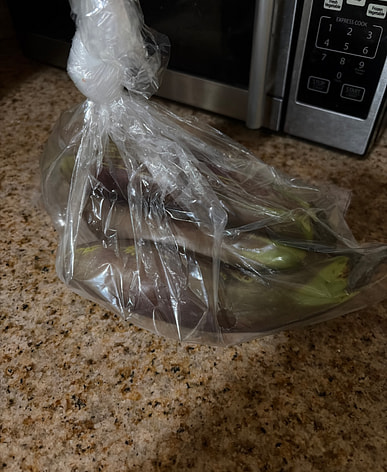 Good quality
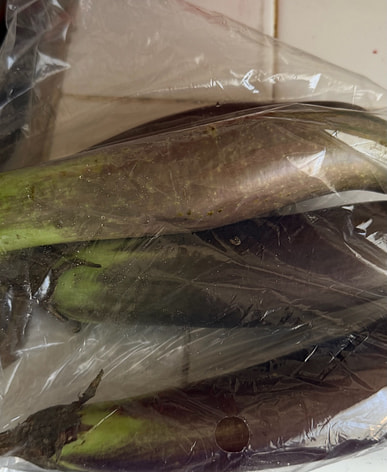 The eggplant is in good form and enough quantity and quality.
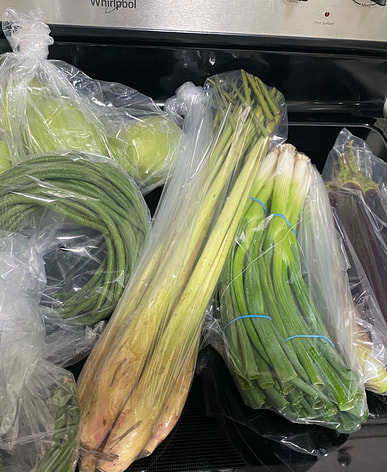 fresh vegs
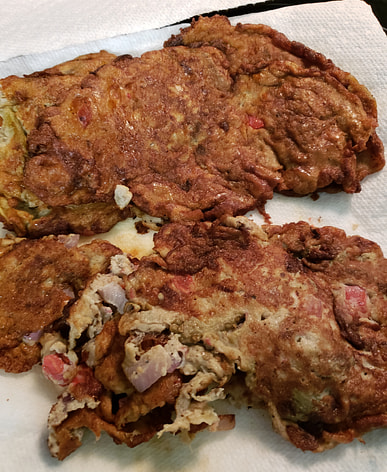 Tortalong eggplant.All time favorite. Thank you Weee!
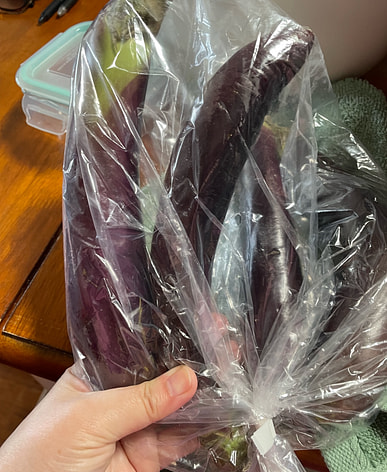 Fresh at weee
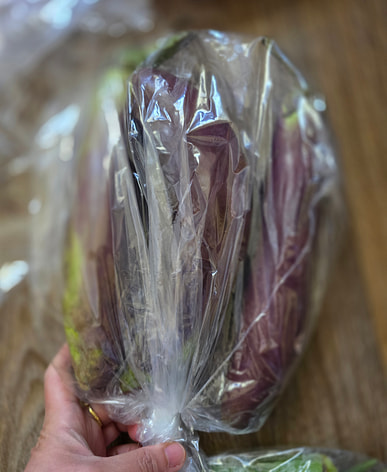 good and fresh
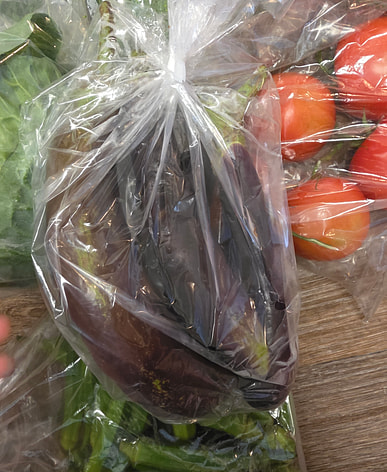 its good.. not too big amd.not too long
Related with Ampalaya
Melon-fresh
Fresh Melon
Hu Lu
Shucai
Gourd
Veg
Gulay
Veggie
Vegetable
Bittermelon Ampalaya
Fresh Ampalaya
Ampalaya Leave
Dahon Ng Ampalaya
Frozen Ampalaya Leave
Indian Ampalaya
Bittermelon Ampalaya Fresh
Dahon Ampalaya
Frozen Dahon Ampalaya
Frozen Ampalaya
Ampalaya Fruit
Ampalaya Small
Vegetable Ampalaya
Filipino Ampalaya
Ampalaya Tea
Fresh Dahon Ng Ampalaya
Dahon Ng Ampalaya Frozen
Ampalaya Capsule
Vegetable Bittermelon Ampalaya
Ampalaya Tea Bags
Ampalaya 1-3 Lb
Organic Ampalaya
Chinese Ampalaya
Atchara Ampalaya
Filipino Dahon Ampalaya
Philippine Ampalaya
Ampalaya Leaf
Ampalaya Bitter Melon Leaves Frozen
Ampalaya Chips
Indian Bittermelon Ampalaya
Bittermelon Ampalaya Chinese
Dried Ampalaya
Fresh Ampalaya Leaf
Ampalaya Plant
Vegetables Ampalaya
Charantia Ampalaya
Ampalaya Korea
Japanese Ampalaya
Canned Ampalaya
Sliced Ampalaya
Philippines Bittermelon Ampalaya
Dahon Na Ampalaya
Chinese Fresh Ampalaya
Bunch Of Ampalaya
White Ampalaya
Veggies Ampalaya
Sweet Ampalaya
Fresh Ampalaya Filipino
Ampalaya Tea Juice
Ampalaya Drink
Ampalaya Flower
Ampalaya Fruit Fresh Fruits
Bittermelon Ampalaya Chinese Fresh
Ampalaya Fruits Fresh
Organic Ampalaya Fresh Produce
Bittermelon Ampalaya Leaf Fresh
Ampalaya Salad
Bittermelon Ampalaya Tea
Bittermelon Ampalaya Veggies
Fresh Ampalaya Vegetables
Ampalaya Juice
Filipino Ampalaya Veggie
Bittermelon Ampalaya Fruit

Asian Groceries
Get the App


Trending Topics
- Dark soy sauce
- Shaoxing wine
- Matcha powder
- Oyster sauce
- Yellow curry paste
- Fish sauce
- Rice vinegar
- Propitious Mango Ice Cream Viral Tiktok
- KEWPIE Japanese Egg Yolks Mayonnaise
- Sesame oil
- Baby bok choy
- Basmati rice
- Paneer
- Bok choy
- Jackfruit
- Ghee
- Nori seaweed
- Tamarind paste
- Massaman curry paste
- Kimchi
- Curry leaves
- Gochujang
- Mirin
- Hoisin sauce
- Green curry paste
- Miso paste
- Soy sauce
- Red curry paste
- Jasmine rice
- Garam masala


© 2015 - 2026 Weee!, Inc.