


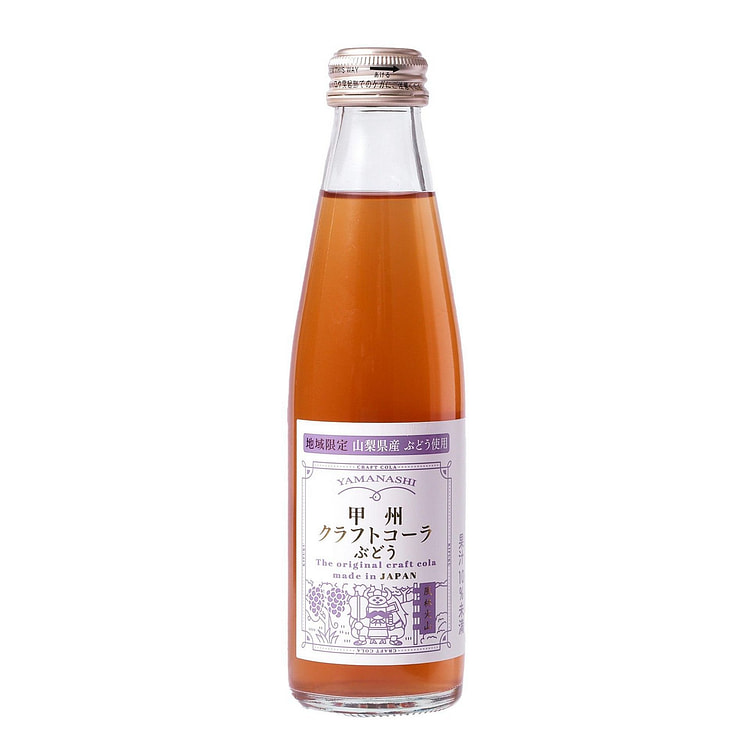
Looking for an Asian online supermarket?
Shop products from Chinese, Japanese, Korean, Vietnamese, Thai, Filipino and Indian grocery stores with delivery across major U.S. cities, including fresh produce, frozen meats and seafood, no extra fees, and EBT/SNAP accepted in most cities for eligible products.

Popular Asian ingredients this week
 $11.49 - $11.99Fumang Propitious Mango Ice Cream 3PC 225 g 800+ Sold weekly
 $10.99 - $11.99Tao Qi Peach Ice Cream (TaoQi TQ) 3pcs, Frozen 225 g 700+ Sold weekly
 18% off$1.29 - $1.59Enoki Mushrooms 200 g 1K+ Sold weekly
 $12.59 - $16.29Jelly.B Drinkable Konjac Jelly, Lychee Flavor 150 ml*10 pack 600+ Sold weekly
 $8.99 - $11.49Daedoo Real Sweet Potato Bread, Frozen 480 g 400+ Sold weekly
 $3.29 - $4.49Laoganma Spicy Crispy Chili Oil 210 g 1K+ Sold weekly
 $4.99 - $7.79Shirakiku Sanukiya Udon, Frozen 1K+ Sold weekly
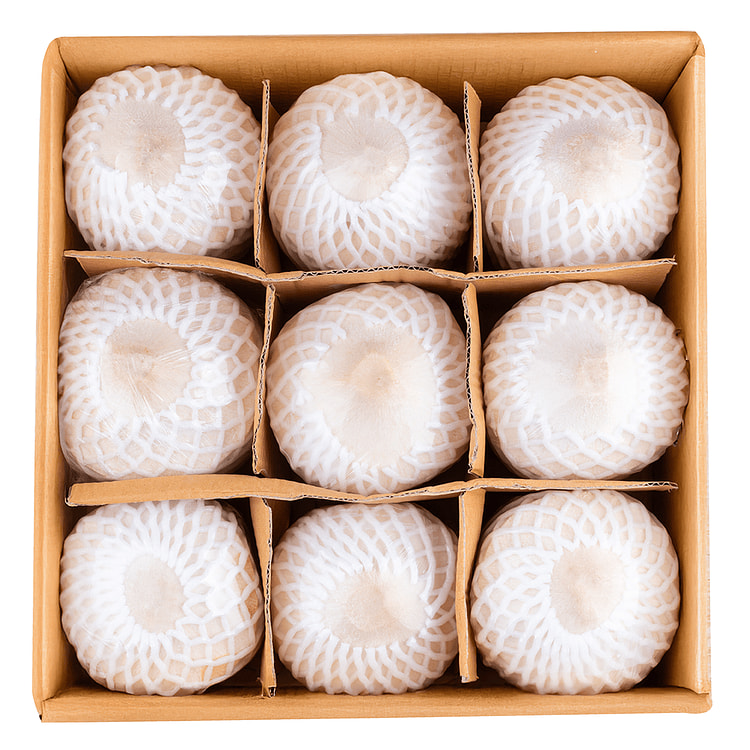 27% off$15.99 - $21.99Thai Young Coconut 9ct 1 case 1K+ Sold weekly
 $0.39/ea for 2+$0.69 for 1 qtyGreen Onion 1 bunch 1K+ Sold weekly
 $2.69 - $3.99Lee Kum Kee Premium Dark Soy Sauce 1K+ Sold weekly
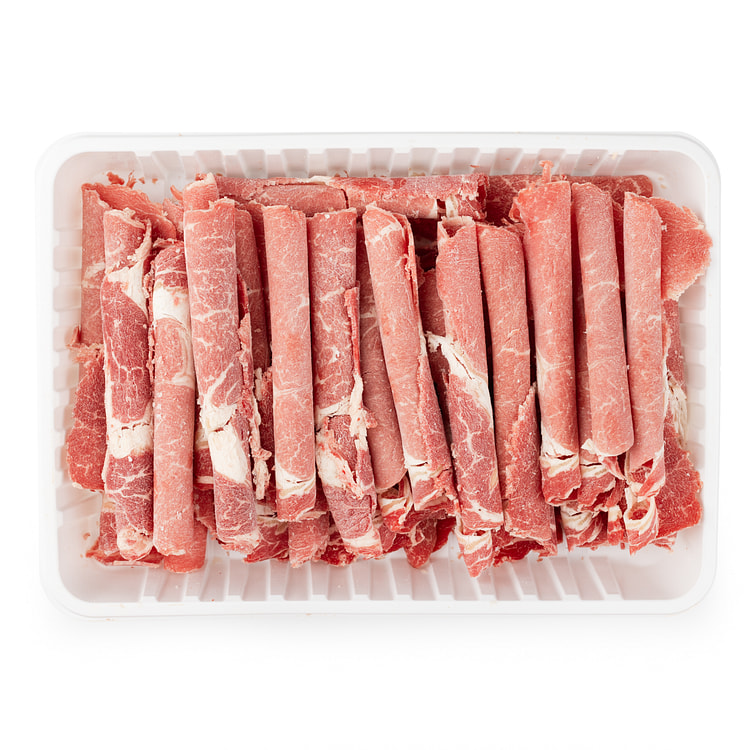 27% off$10.88 - $14.99Beef Ribeye Sliced Roll, Frozen 1 lb
 $11.49 - $17.99Three Ladies Brand Jasmine Rice Large Bag 1K+ Sold weekly














 Customer since 2018
 Phoenix, AZCustomer since 2020Connecticut, CTCustomer since 2023Washington DCCustomer since 2020Los Angeles, CA
Frequently asked questions
What are Japanese Koshu grapes?
Japanese Koshu grapes are indigenous to Japan and are mainly used to produce white wine, known as Koshu wine. They are generally light in body, high in acidity, and have subtle flavors of citrus and peach.
What is the color of Koshu grapes?
Koshu grapes are known for their distinctive pale pink color.
Can I eat Koshu grapes as they are?
Yes, you can eat Koshu grapes as they are, they bear a sweet, somewhat tart flavor.
How to store Koshu grapes?
Koshu grapes should be kept in the refrigerator. Wash them only right before you're going to consume them to prevent spoilage.
What other products are made from Koshu grapes?
Apart from wine, Koshu grapes are used in the production of jelly, juice, and vinegar.
Are Koshu grapes seedless?
No, Koshu grapes typically contain seeds.
What are the health benefits of Koshu grapes?
Like other grapes, Koshu grapes contain vitamins A, C, B6, and folate, along with antioxidants and dietary fiber. They also contain phytonutrients like resveratrol, known for its antioxidant and anti-inflammatory properties.
Are Koshu grapes expensive?
The price of Koshu grapes can vary depending on the season and the region but are generally considered pricey due to their high quality and unique taste.
What is the origin of Koshu grapes?
Koshu grapes originated from the Koshu region in Yamanashi Prefecture, Japan.
What is the taste of Koshu wine?
Koshu wine is characterized by its light body, high acidity, and has subtle flavors of citrus and peach.
What season are Koshu grapes available?
Koshu grapes are harvested in late summer to early fall, usually available from September to October.
How do Koshu grapes look?
Koshu grapes are small in size and have a pale pink color, they are also known for their thick skin.
Where can I buy Koshu grapes?
You can buy it at Weee! Asian Market, www.sayweee.com.
How are Koshu grapes grown?
Koshu grapes are grown in vineyards. They are typically strung up high to shield them from humidity and to gain more sunlight.
Can Koshu grapes be used for cooking?
Yes, Koshu grapes can be used in cooking. They can be used in salads, desserts and as a garnish in cocktails.
Can I grow Koshu grapes at home?
Growing Koshu grapes at home can be complex as they require specific climate conditions. They best thrive in the region they originated from, the Koshu region in Yamanashi Prefecture, Japan.

Asian Groceries
Get the App


Trending Topics
- Miso paste
- Green curry paste
- Ghee
- Soy sauce
- Nori seaweed
- Tamarind paste
- Mirin
- Bok choy
- Matcha powder
- Jackfruit
- Curry leaves
- Paneer
- Jasmine rice
- Hoisin sauce
- Rice vinegar
- Gochujang
- Garam masala
- KEWPIE Japanese Egg Yolks Mayonnaise
- Yellow curry paste
- Baby bok choy
- Propitious Mango Ice Cream Viral Tiktok
- Fish sauce
- Red curry paste
- Basmati rice
- Oyster sauce
- Kimchi
- Sesame oil
- Shaoxing wine
- Massaman curry paste
- Dark soy sauce


© 2015 - 2026 Weee!, Inc.