


Top 5 products for Cha Pi

Trending in cities
New York, New York
Brooklyn
San Francisco, California
Philadelphia, Pennsylvania
Los Angeles
Jersey City, New Jersey
Chicago, Illinois
Las Vegas, Nevada
San Jose
Baltimore, Maryland
Davis
San Mateo
San Diego
San Antonio, Texas
Boston, Massachusetts
Irvine
Washington, District Of Columbia
Long Island City
Houston
Bellwood
Saint Louis, Missouri
Staten Island
Goleta
Evanston
Berkeley
Cambridge
Fort Worth
Jacksonville, Florida
Hyattsville

Latest reviews
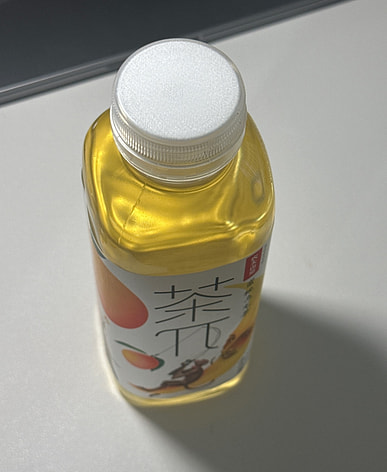 It tastes great, just like the ones in China. It's even better chilled.
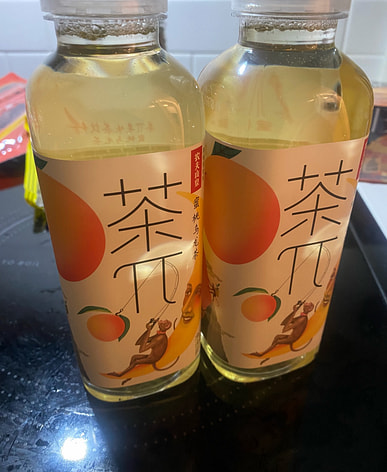 My favourite tea
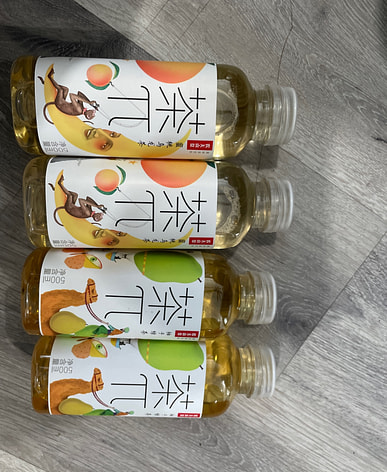 Great and convenient for year-end parties, I've already repurchased from Weee multiple times.
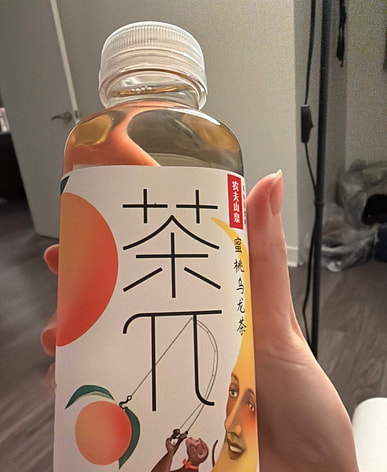 Delicious! Delicious! Delicious! Delicious! Delicious!
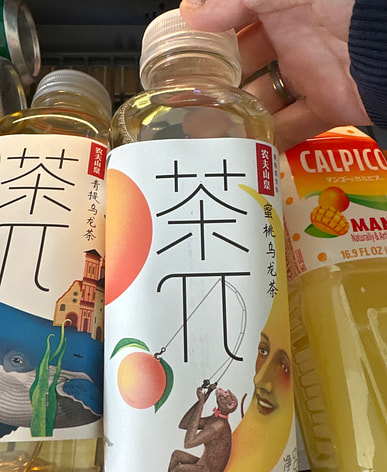 This brand has never disappointed with their flavours.
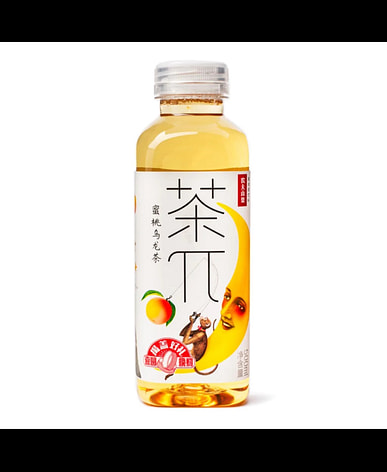 It's so delicious! It tastes fruity.
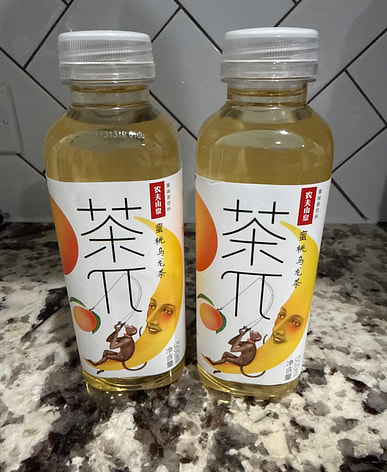 The lemon tea I bought last time was delicious, so I bought peach tea this time. I hope it's delicious!
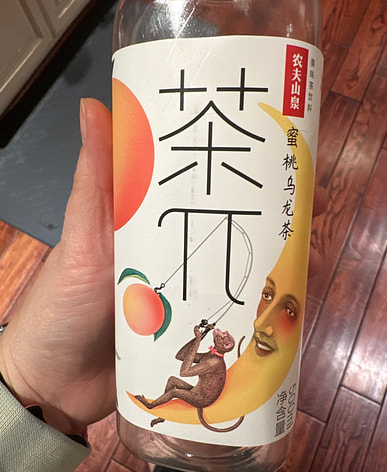 It good tea
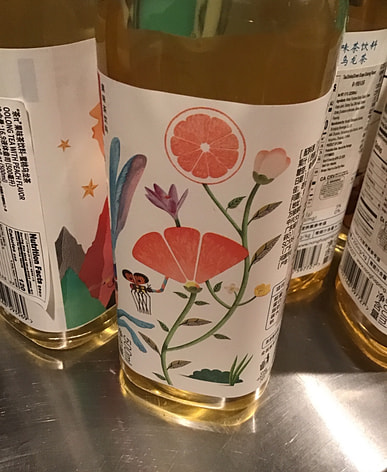 This is a repeat purchase. My child loves it. Shopping is very convenient.

Latest reviews
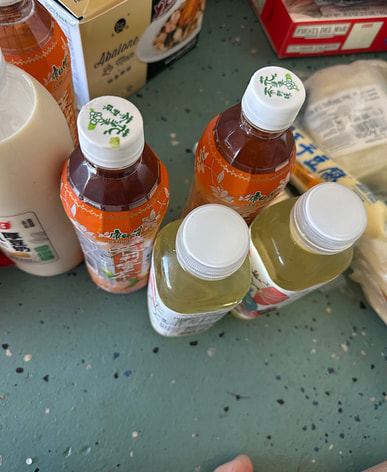 Manufactured in August 2025... Shelf life: 9 months
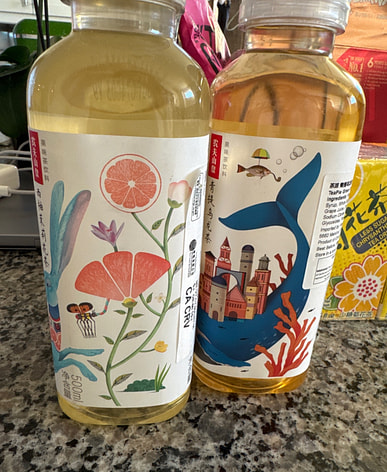 It was a great deal because it was on sale. I've always liked the taste; it's not too sweet.
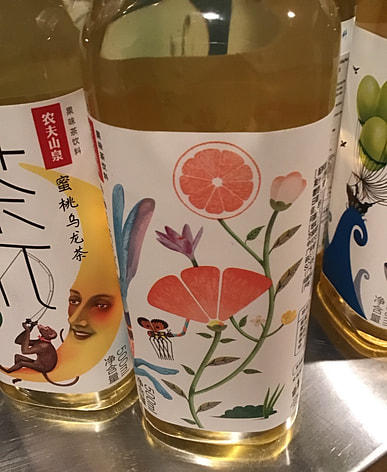 I always repurchase all three flavors. They're all delicious.
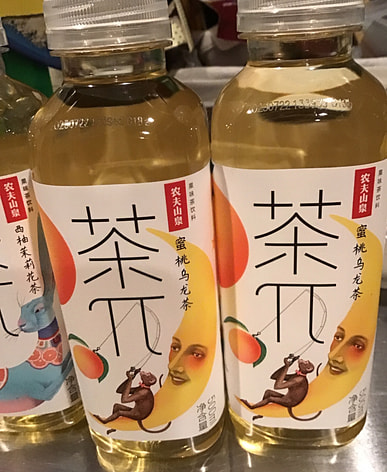 This is my first time buying this new flavor. I hope it tastes good.
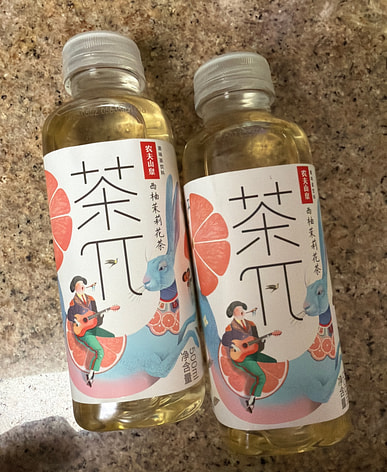 Yum!! Can’t wait to try it!
 Can’t wait to have this! Looks so yummy!!!
 Delicious, will buy again.
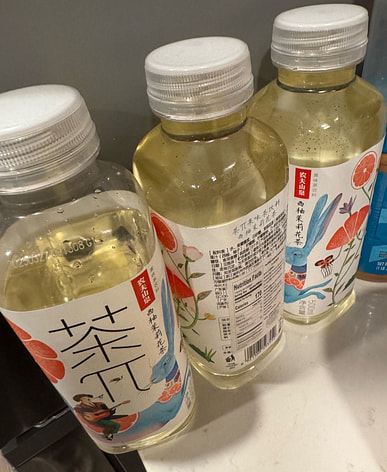 Better than another brand of grapefruit tea, not too sweet
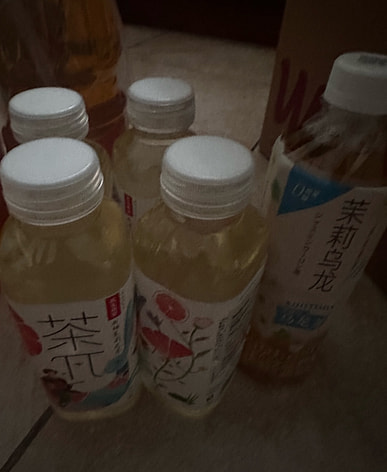 I didn't expect to be able to buy grapefruit jasmine flavor, the best flavor of tea
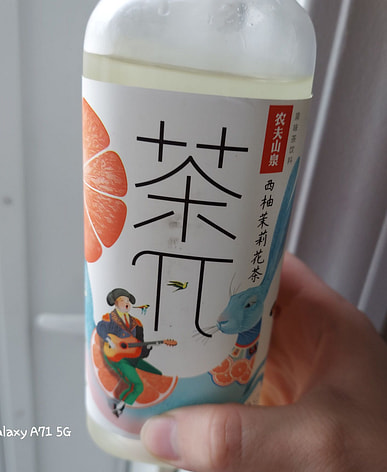 This tea is AMAZING! I kid you not, it took a lot of strength to sip it and enjoy it instead of chug it. I've never been one to drink jasmine tea, I don't think I've ever even tried jasmine tea before, but this is TOP QUALITY! It has just the right amount of sweetness and just enough flavor to where you can taste the grapefruit, but it doesn't overpower the jasmine. I was actually kind of sad that I had only ordered two bottles. I am fully hooked and am in the process of ordering more.

Latest reviews
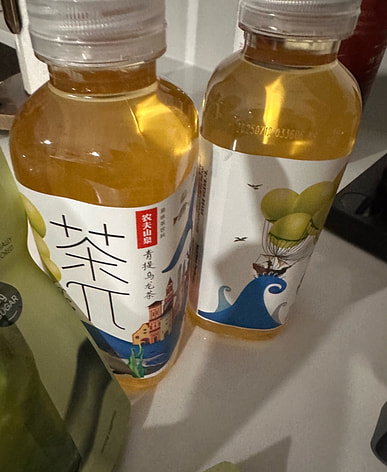 Love them!
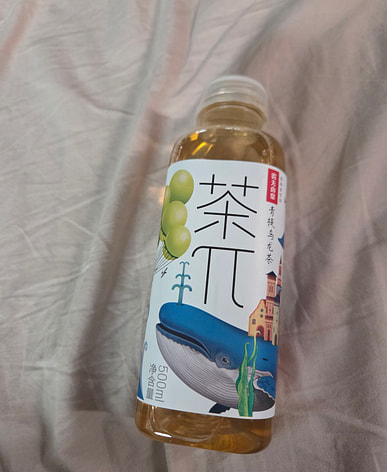 So very refreshing and such a strong green grape flavor I love it sooo much!
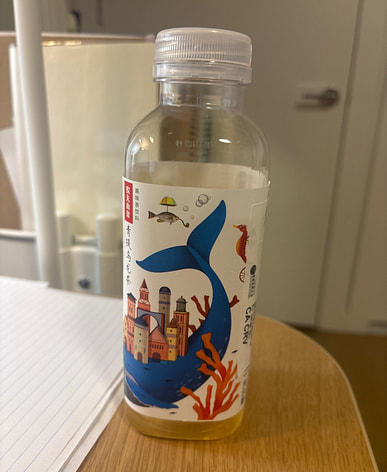 Really delicious!
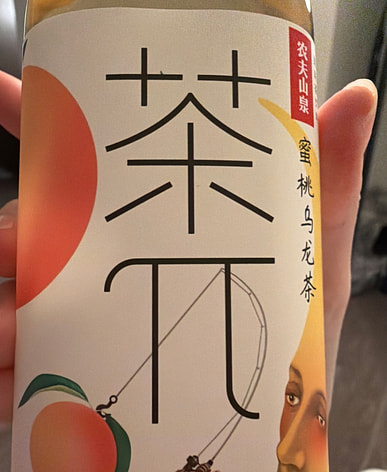 Delicious! Delicious! Delicious! Delicious! Delicious!
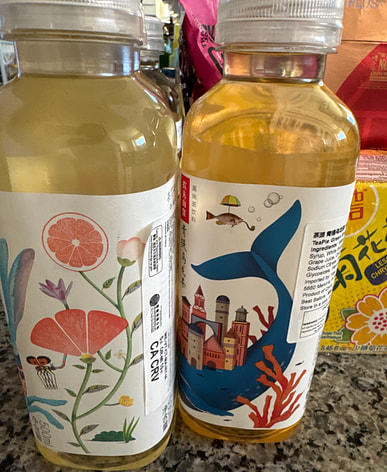 Delicious beyond words!!! I'll definitely buy it again.

Latest reviews
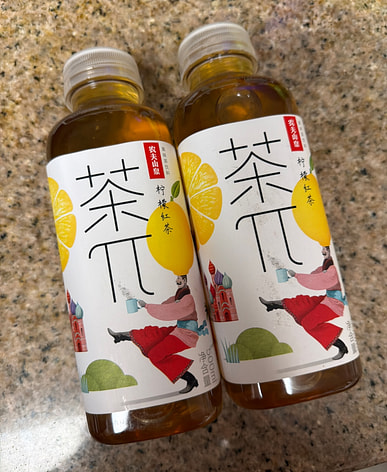 Yum!! Can’t wait to try it!
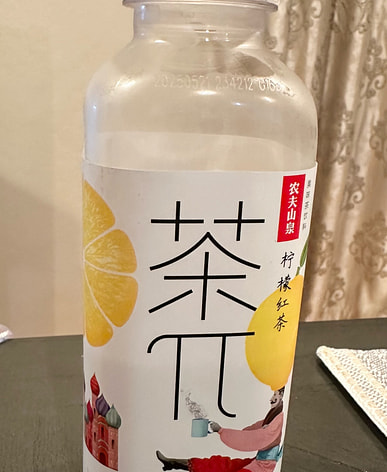 My favorite iced lemon tea. It’s really hard to find in local grocery stores, but I’m glad that I am able to buy on Weeee, and it’s cheaper.
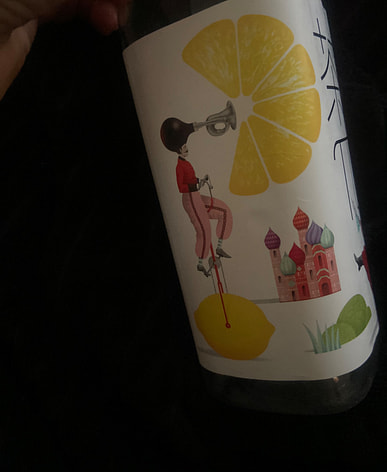 Such a nice light tea, taste great. Sad I didn’t buy more
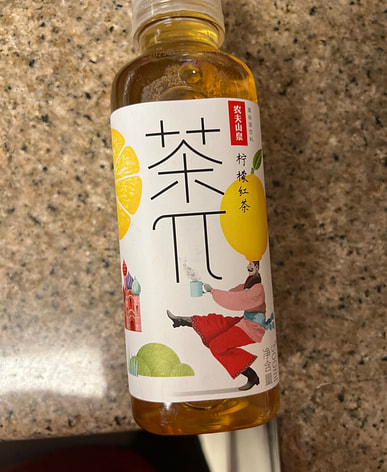 Can’t wait to have this! Looks so yummy!!!
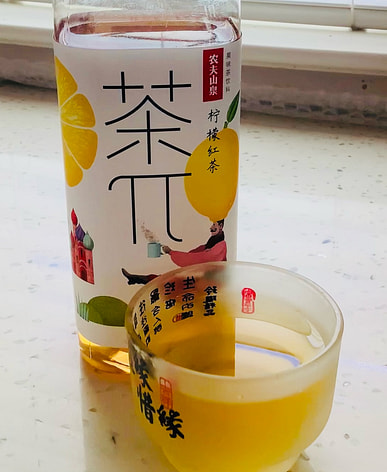 It tastes similar to iced tea, delicious!
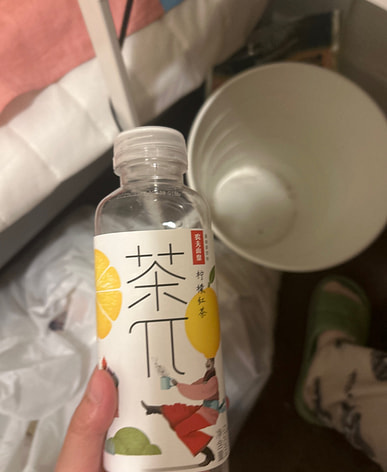 Delicious, a little sweet, but very refreshing
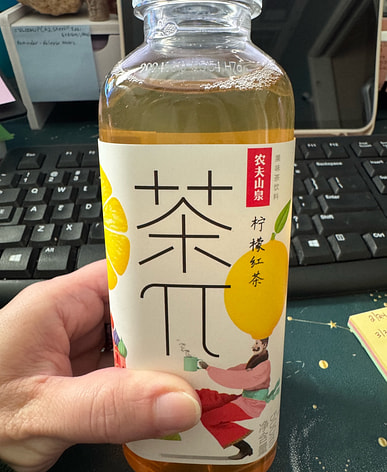 By the looks of it, you’d think it was white tea or possibly even green, but it says it’s black tea. Maybe authentic tea is better quality than what we get in the states because this is very light tasting like green or white tea would taste like. The lemon is very prominent and took me by surprise with that first sip. Most lemon teas are so subtle, but not this one.
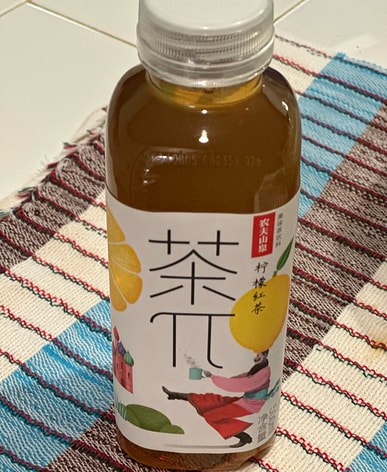 My favorite brand of iced tea. Just the right amount of sweetness
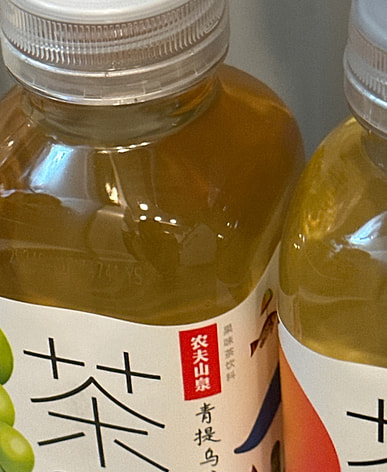 Lemon tea is not very tasty...
Latest reviews
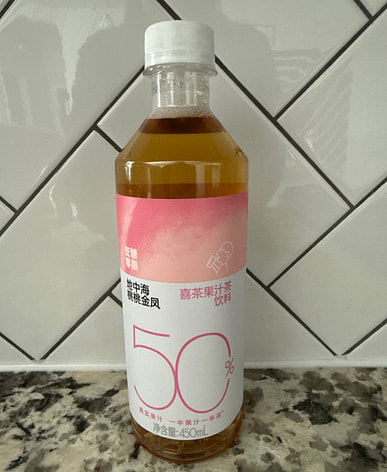 The peach oolong tea looks delicious. I can't wait to try it!
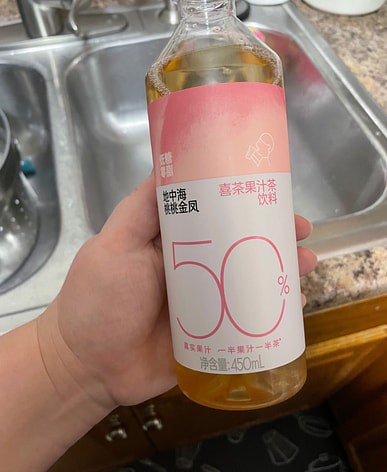 Really delicious has a nice peach taste and a good oolong floral taste the sweetness on it is perfect not too sweet
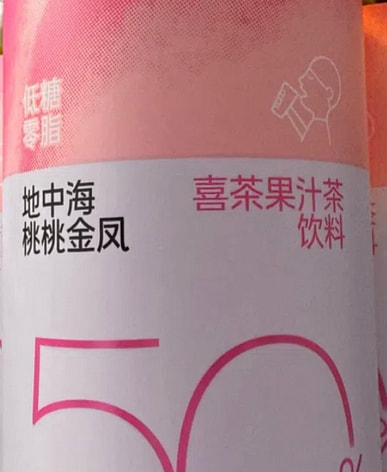 Has a nice peach flavor
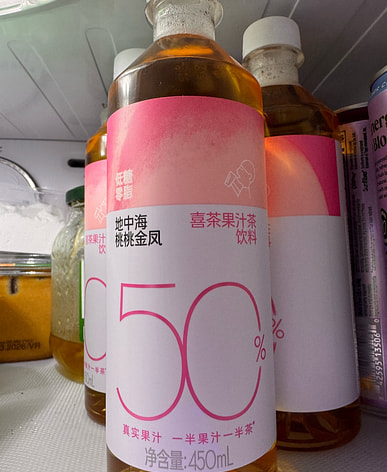 Slight artificial flavor. More just sweet peach flavor, not too much oolong flavor
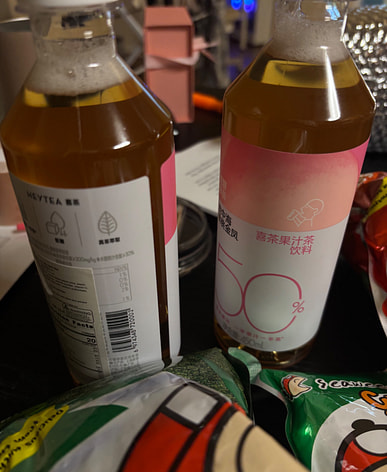 Super yummy 10/10
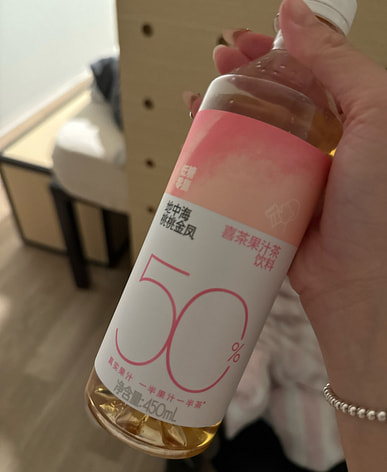 taste sweet
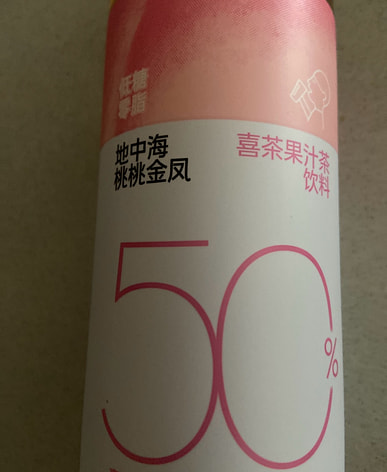 Very nice subtle peach flavor. Not overpowering or synthetic tasting like your average grocery store brand.
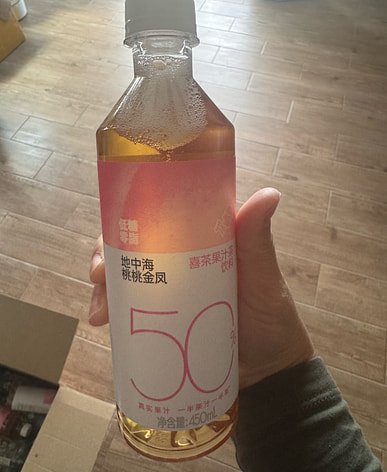 I've had this before and it tastes good; I'd buy it again.
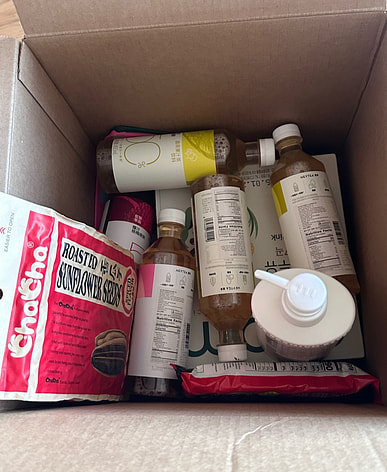 Best drink ever
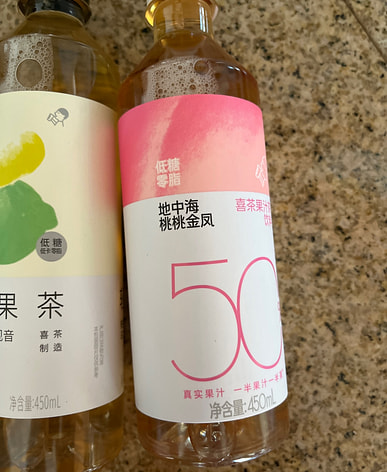 Sweet, fruity and teay. Not bad.
Asian groceries delivered to your door
Weee! serves the major metropolitan areas across the United States as a trusted Asian online grocery store, bringing together products and ingredients from Chinese, Japanese, Korean, Vietnamese, Thai, Filipino, and Indian supermarkets. Shop everyday essentials including dairy, vegetables, fruits, and fresh produce, along with frozen meats and seafood, carefully packed with dry ice and offered in traditional cuts and formats familiar to Asian households. Now accepting EBT/SNAP at checkout in the largest U.S. cities. Buying Asian groceries online has never been easier or more reliable.
Top products for cha pi
- $1.79 - $2.29Nongfu Spring TEA PI Peach Oolong Tea 500 ml (min 3) 1K+ Sold weekly
 SNAP
SNAP - $1.69 - $2.79Tea Pi Jasmine Tea, Grapefruit Flavor 500 ml 800+ Sold weeklySNAP
- $1.79 - $2.29Nongfu Spring TEA PI Green Grape Oolong Tea 500 ml (min 2) 900+ Sold weeklySNAP
- $1.79 - $2.29Nongfu Spring Tea Pi Lemon Black Tea 500 mlSNAP
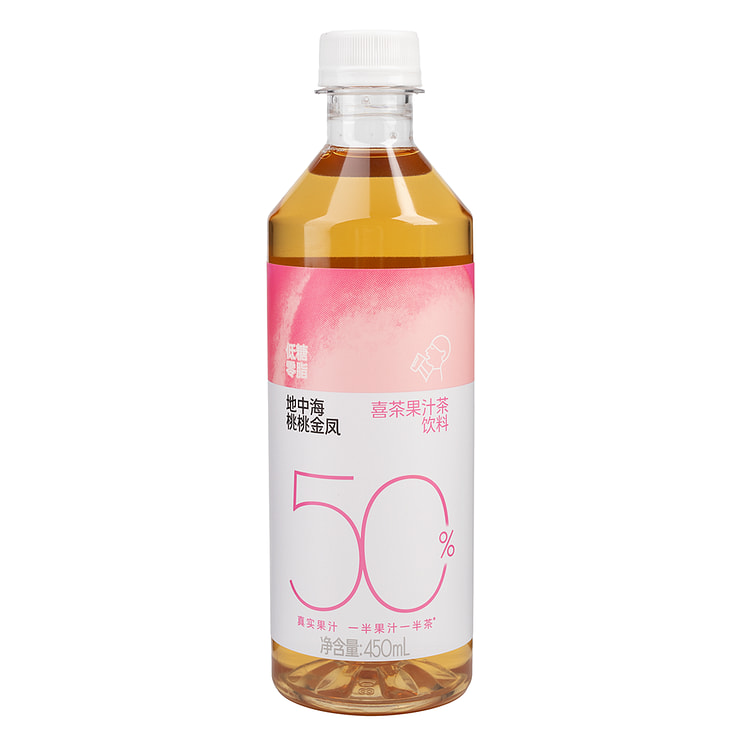
- 25% off$2.09 - $2.79HEYTEA Peach Oolong Tea 450 ml 800+ Sold weeklySNAP
Related products for cha pi
 $32.00Chen Pi Cun Tangerine Peel Puer Tea
 $72.00Chen Pi Cun Chen Li Ji Tangerine Peel Tea Ziya
 $72.00Chen Pi Cun Chen Li Ji Tangerine Peel Tea Yinhao
 $32.00Chen Pi Cun Green Tangerine Peel Puer Tea
 $12.99Apple Pie Loose Leaf Tea Tins by Pinky UpShips from True Brands
 $49.99Tart Addict Creamy Earl Grey CookiesShips from Go Go Lifestyle Hong Kong
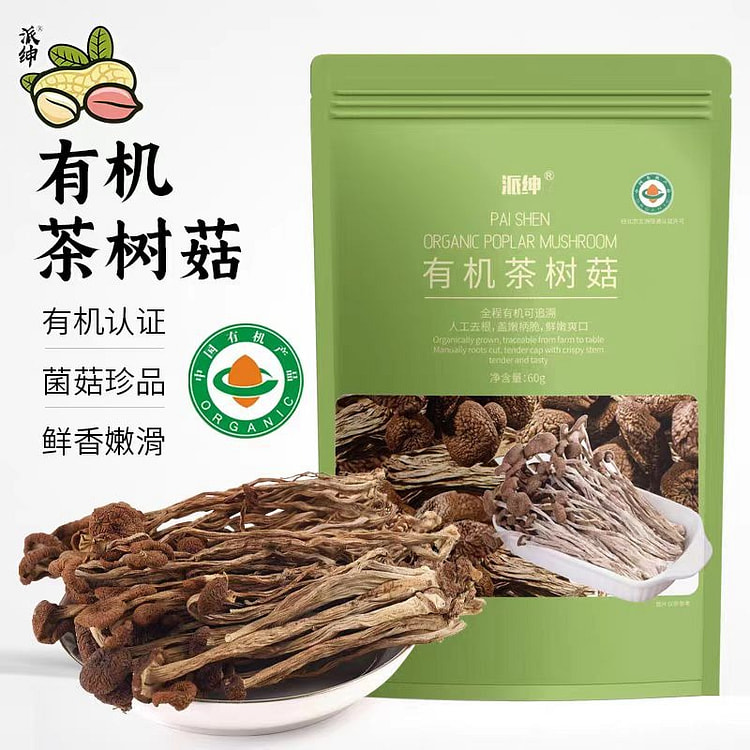 $22.88Pai Shen Organic Tea Tree Mushroom (min 2)Ships from Bai Wei Xiang Mall
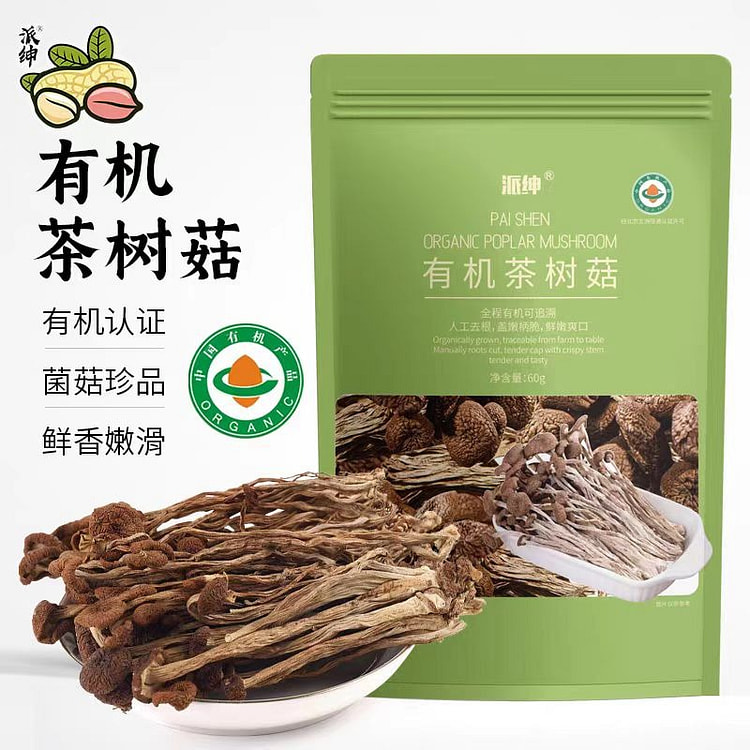 $12.88Pai Shen Organic Tea Tree Mushroom (min 2)Ships from Yang Yang Youpin
 12% off$31.59 - $35.90Ying Pai American ginseng tea 30g*1 boxShips from LE HEALTH
 12% off$11.35 - $12.90Hou Wang Pai Jasmine Tea Premium 100g*1 bagShips from Superbuy Mall
 $21.99Fanale Premium Flavoring Powder for Bubble Tea Lemon Tart FlavorShips from Fanale Drinks
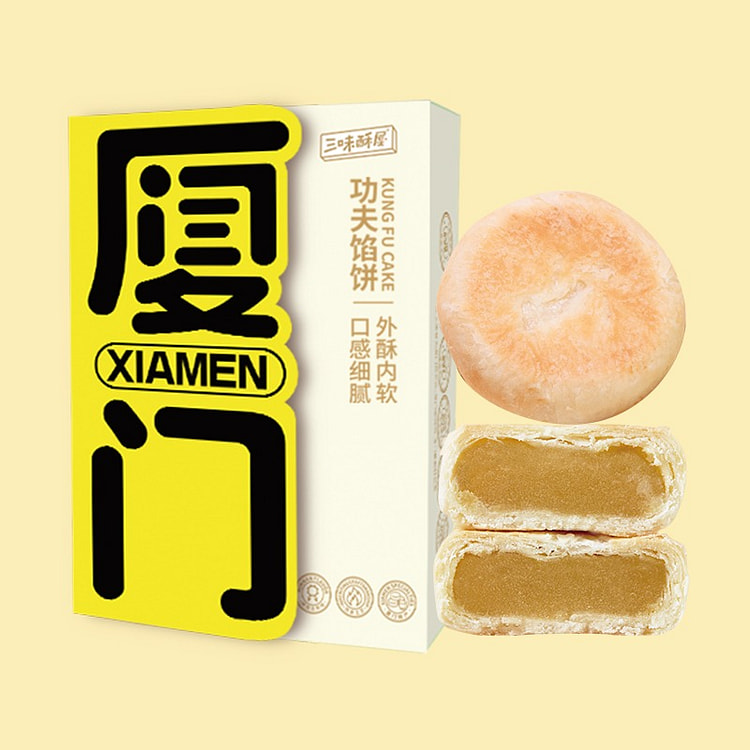 4% off$19.19 - $20.20Sanwei Suwu Xiamen Jasmine Tea Pie 180gShips from SHENG JIN JI
 $31.99Prince of Peace Pi Lo Chun (Pearl Green Tea) - Loose Tea Leaves, 300gShips from Prince of Peace USA
 $9.99Senna Tea Bag Authentic Natural Epsom Leaf Pai Su Tea Pan Epsom Leaf Tomato Leaf Poop Pan Leak 100g * 1 bag * 50 packetsShips from Shengrong Huapin
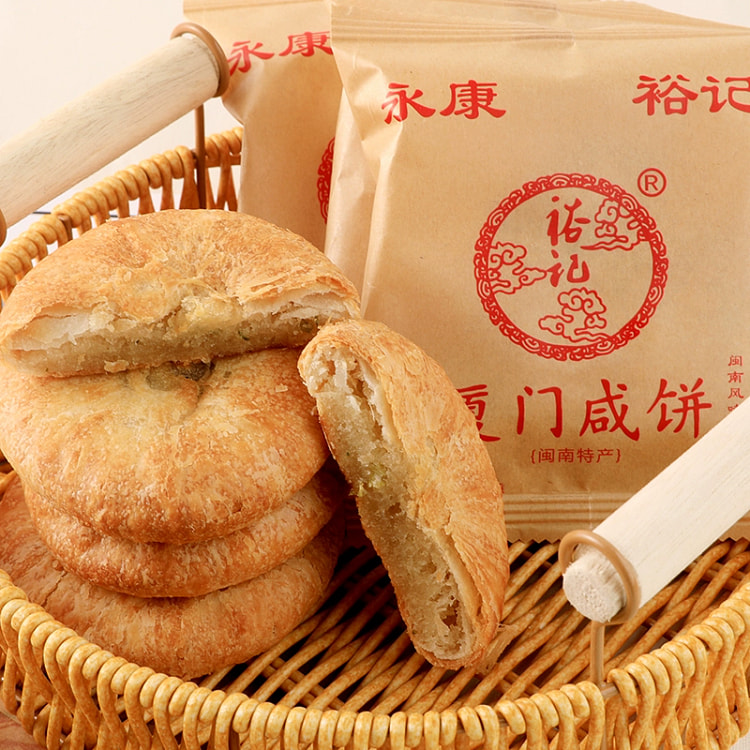 $17.05Yuji authentic Xiamen salty cake 53g * 5 handmade pies Traditional pastry heart with hand gift teaShips from Mili Mall
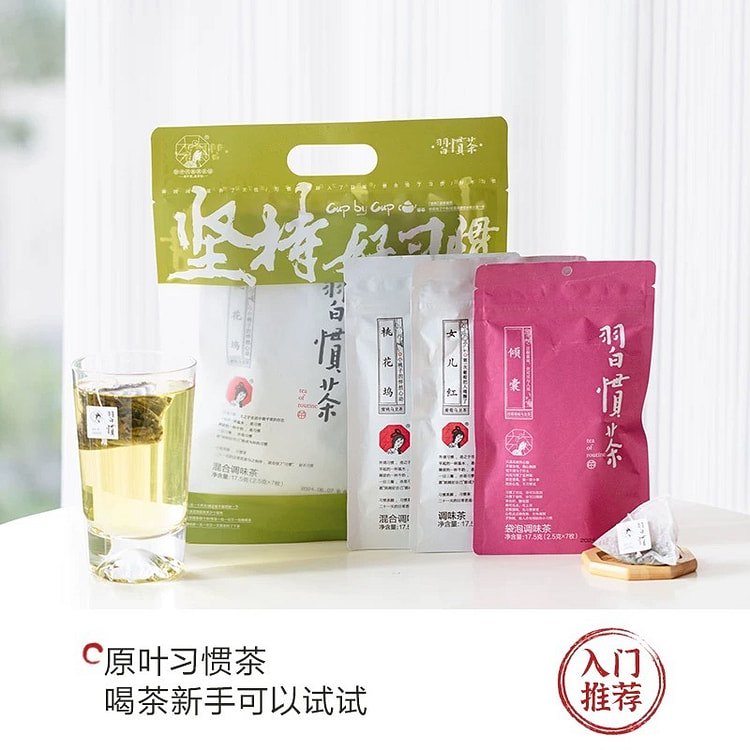 $16.99Tea Yan Yue color habit Tea bag Peach Oolong tea grape Oolong flavor 21 bags/pieShips from RuiZiHao
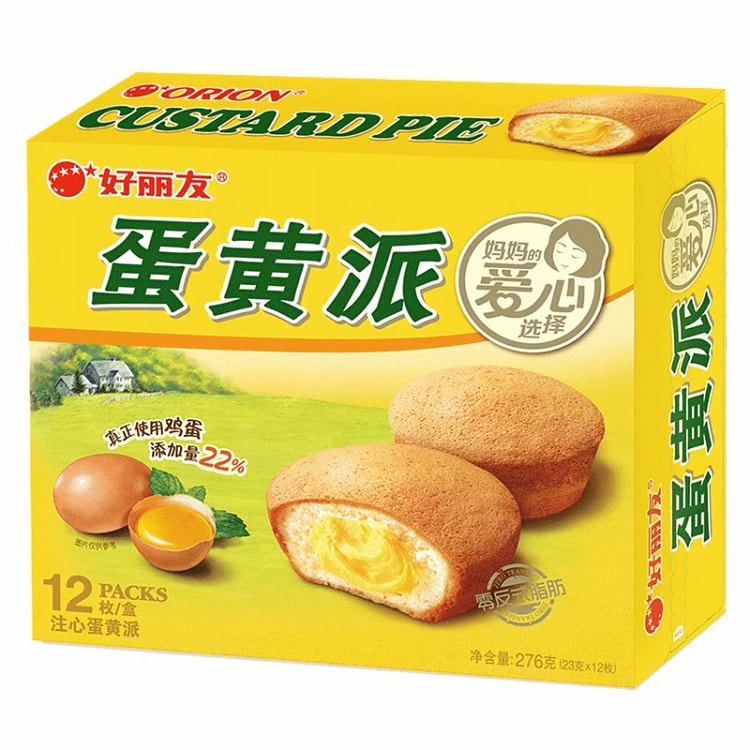 $18.99Holiyou egg yolk pie 276g*12pcs, boxed snacks, Western pastries, breakfast, afternoon tea, sandwich cakes, dim sum egg yolk pieShips from Gorgeous and beautiful
 $56.00Chen Pi Cun Puer Tea Cake 357gShips from Chen Pi Cun
- $72.00Chen Pi Cun Chen Li Ji Tangerine Peel Tea ZiyaShips from Chen Pi Cun
- $72.00Chen Pi Cun Chen Li Ji Tangerine Peel Tea YinhaoShips from Chen Pi Cun
 $72.00Chen Pi Cun Chen Li Ji Tangerine Peel Tea GongtingShips from Chen Pi Cun
- $32.00Chen Pi Cun Tangerine Peel Puer TeaShips from Chen Pi Cun
 $278.00Chen Pi Cun Tangerine Peel Puer Tea 500gShips from Chen Pi Cun
 $43.00Chen Pi Cun RuoQing Tangerine Peel Tea 250gShips from Chen Pi Cun
 $58.00Chen Pi Cun Tangerine Peel Puer Tea Gift BoxShips from Chen Pi Cun
- $32.00Chen Pi Cun Green Tangerine Peel Puer TeaShips from Chen Pi Cun
 $118.00Chen Pi Cun Iceland Tangerine Peel Puer TeaShips from Chen Pi Cun
 $52.00Chen Pi Cun Tangerine Peel Chinese Puer Tea Cake 400gShips from Chen Pi Cun
 $28.00Chen Pi Cun Tangerine Peel Chinese Puer Tea Cake 357gShips from Chen Pi Cun
 $18.00Osumi Yuzu Green TeaShips from Kokoro Care
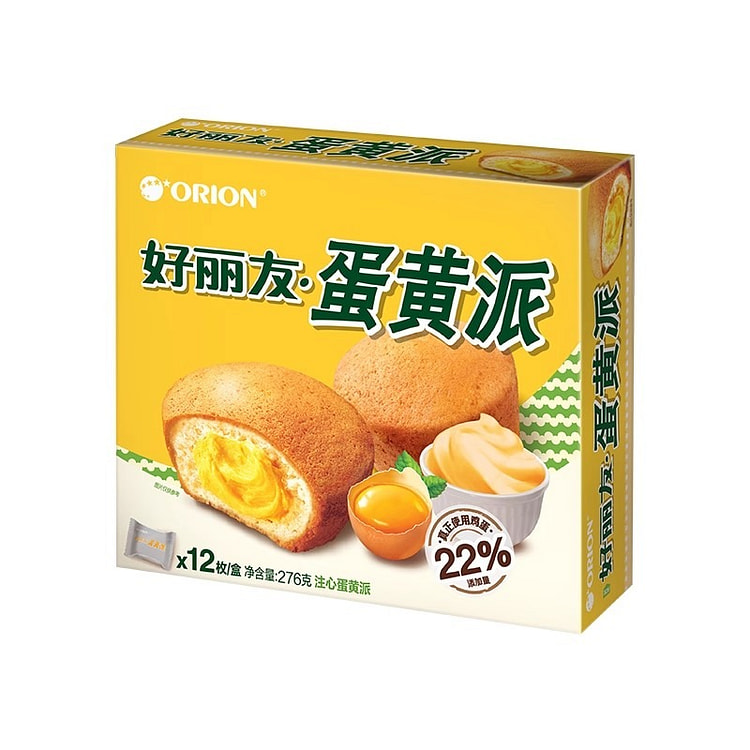 10% off$35.09 - $38.99Orion Egg Yolk Pie Bread 276g 276 gShips from Baishun Goodies
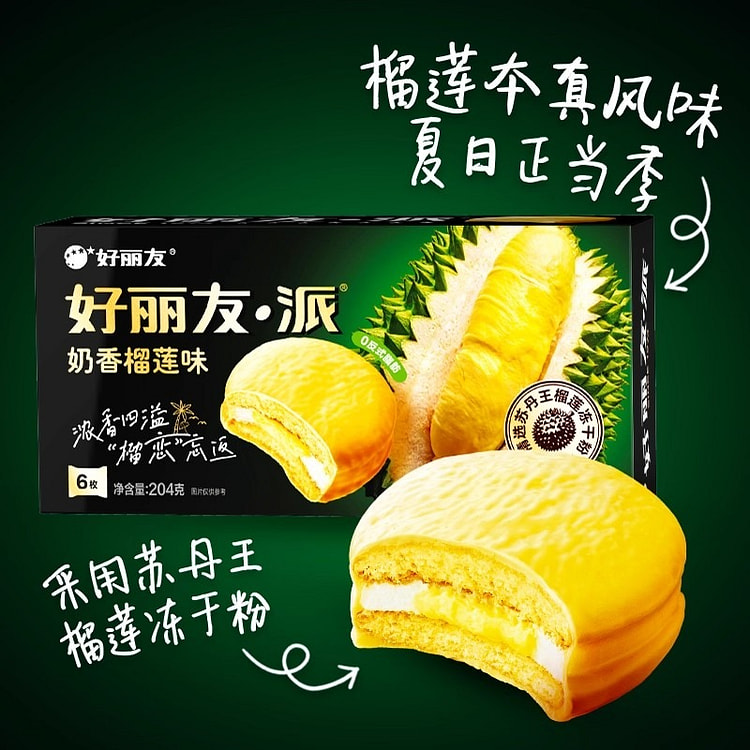 10% off$38.69 - $42.99Orion Durian Pie Milk Durian Flavor 204g 204 gShips from Jiaheng yanxuan
 $9.99MUJI Sea Salt Lemon Soft Heart TartShips from Woyoo
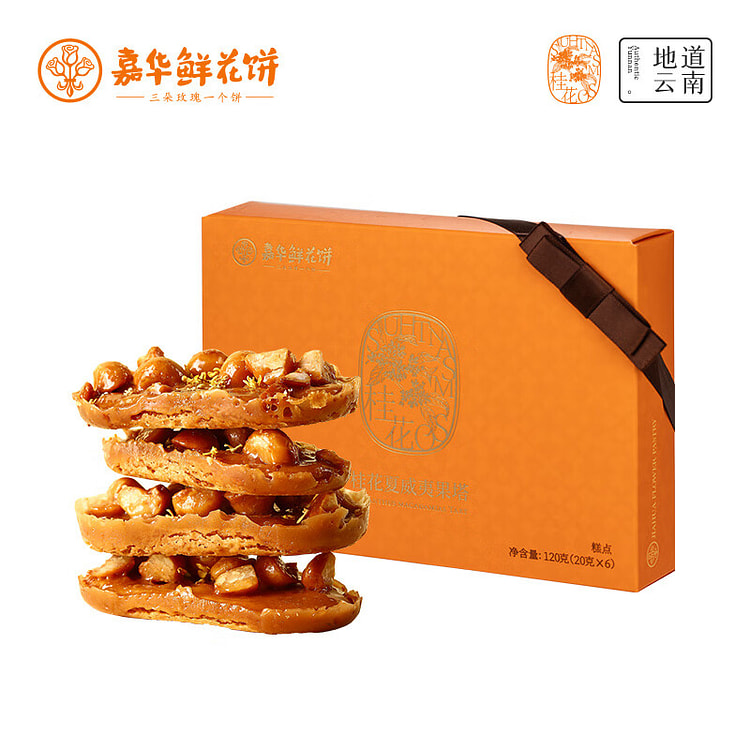 $20.90Cinnamon Macadamia Nut Tart 20g*6pcs Seasonal Limited EditionShips from U LIFE
 $9.99MUJI Matcha Red Bean Flavor Soft Heart Tart, Snack, Cake and PastryShips from Woyoo
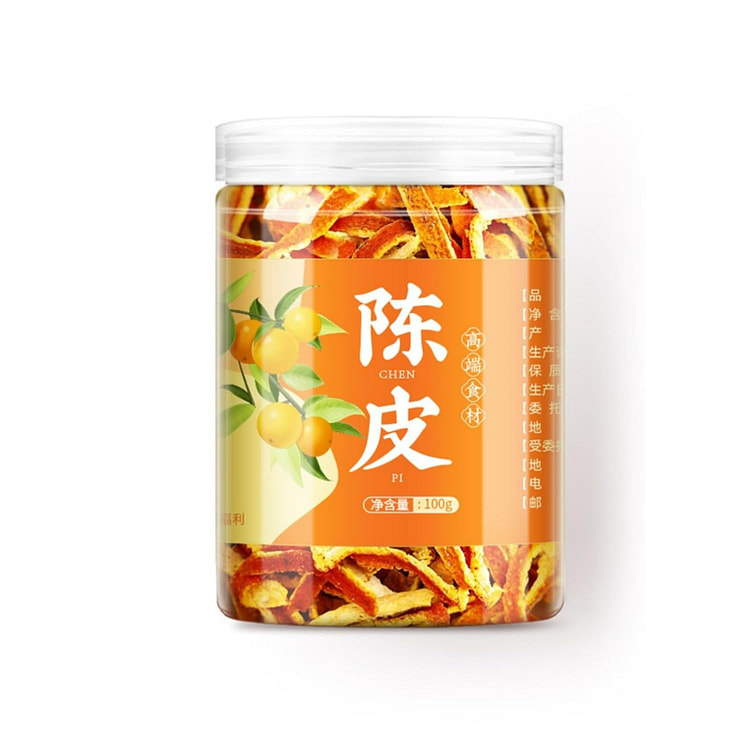 $18.99Dried Tangerine Peel Strip, Chinese Seasoning Spice,Orange Peel Tea,100g/3.5ozShips from Bailink Dream
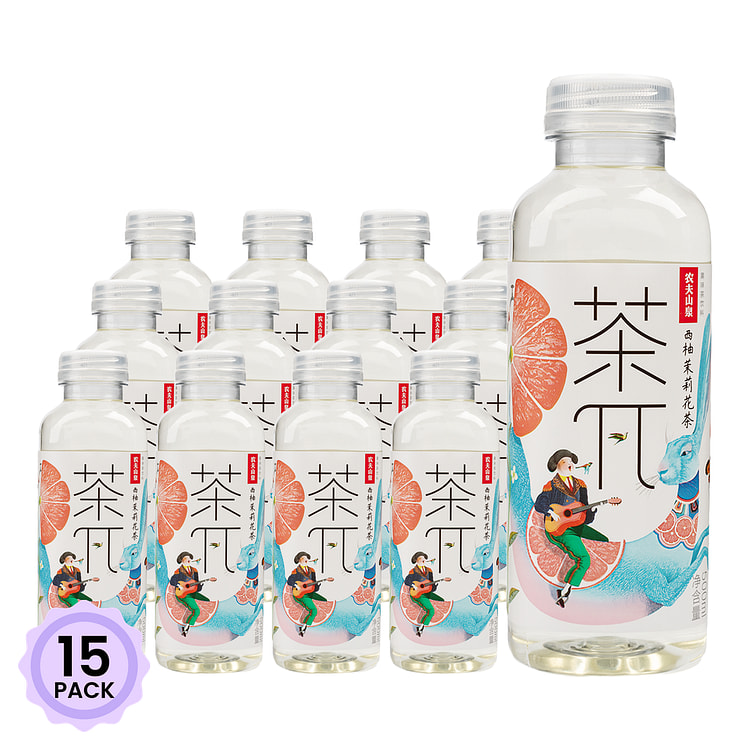 $25.99 - $30.99Tea Pi Jasmine Tea, Grapefruit Flavor 500 ml*15 packSNAP
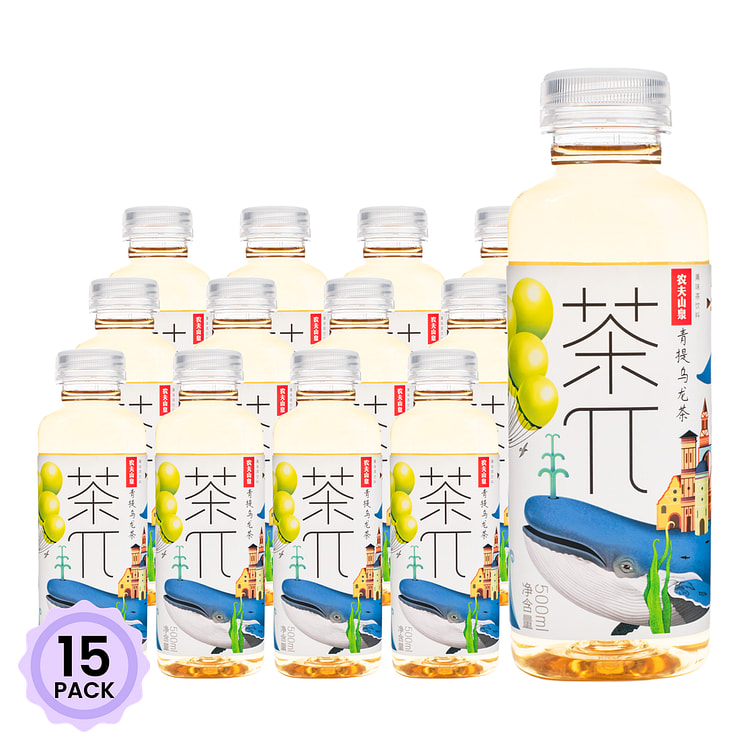 $25.99 - $26.99Nongfu Spring TEA PI Green Grape Oolong Tea 500 ml*15 pack
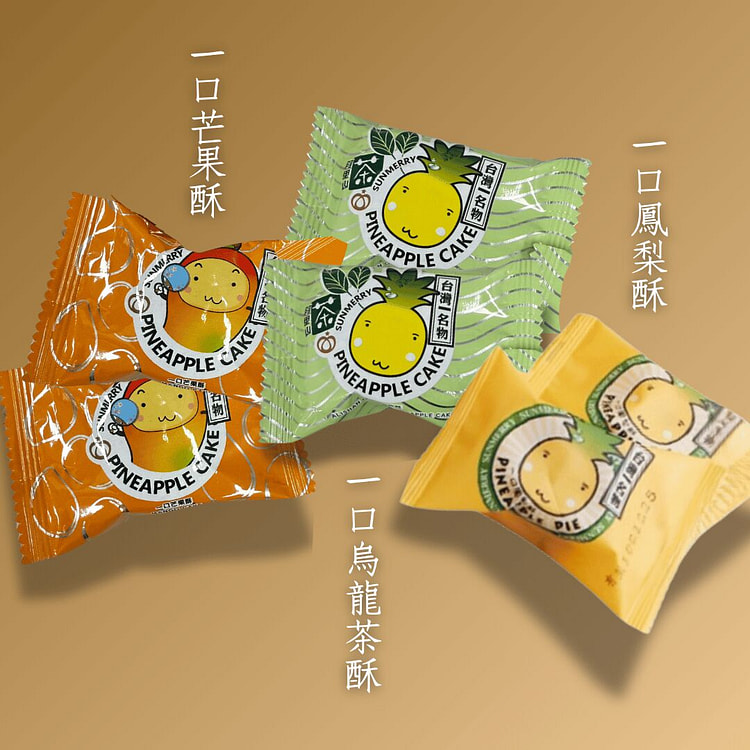 $7.88Bite Size Pineapple Tart Mix Pack 1 each














 Customer since 2018
 Phoenix, AZCustomer since 2020Connecticut, CTCustomer since 2023Washington DCCustomer since 2020Los Angeles, CA
Frequently asked questions
What is Cha Pi?
Cha Pi, also known as tea leaf, is a popular ingredient in Asian cuisine. It is the processed leaf of the Camellia sinensis plant, which produces the beverage tea.
How is Cha Pi used in cooking?
In cooking, Cha Pi is often used to flavor soups, stews, and other dishes. It can also be brewed into tea.
Is Cha Pi the same as regular tea leaves?
Yes, Cha Pi is the processed leaf of the Camellia sinensis plant, which is the same plant regular tea leaves come from.
Can I use any type of tea leaf as Cha Pi?
In theory, you can use any type of tea leaf as Cha Pi. However, the taste and texture may vary depending on the type of tea leaf used.
Does Cha Pi have caffeine?
Yes, Cha Pi contains caffeine, as it is made from tea leaves.
Can I use Cha Pi in sweet dishes?
Yes, Cha Pi can be used in sweet dishes as well. It’s often used in desserts in several Asian cultures.
Is there a substitute for Cha Pi in recipes?
If you don’t have Cha Pi, you can use regular tea leaves or green tea as a substitute.
Where can I buy Cha Pi?
You can buy it at Weee! Asian Market, www.sayweee.com.
Where does Cha Pi come from?
Cha Pi originally comes from China, but is now cultivated and used in various cultures around the world.
Does Cha Pi have any health benefits?
Yes, Cha Pi is high in antioxidants and can aid in digestion.
What does Cha Pi taste like?
Cha Pi has a slightly bitter taste, similar to that of a strong, brewed tea.
Can Cha Pi be eaten raw?
Cha Pi is typically cooked before consumption to soften its texture and enhance its flavor.
Can I store leftover Cha Pi?
Yes, leftover Cha Pi can be stored in an airtight container in the fridge for up to a week.
How much Cha Pi should I use in my dish?
The amount of Cha Pi to use would depend on the recipe. However, as it has a strong flavor, it's recommended to start with a small amount.
Can everyone eat Cha Pi?
Most people can consume Cha Pi. However, as it contains caffeine, it's not recommended for people sensitive to caffeine.
How is Cha Pi processed?
To process Cha Pi, tea leaves are picked, withered, rolled, fermented, and finally dried.
Popular reviews
- It tastes great, just like the ones in China. It's even better chilled.
- My favourite tea
- Great and convenient for year-end parties, I've already repurchased from Weee multiple times.
- Delicious! Delicious! Delicious! Delicious! Delicious!
- This brand has never disappointed with their flavours.
- It's so delicious! It tastes fruity.
- The lemon tea I bought last time was delicious, so I bought peach tea this time. I hope it's delicious!
- It good tea
- This is a repeat purchase. My child loves it. Shopping is very convenient.
- Manufactured in August 2025... Shelf life: 9 months
- Love them!
- So very refreshing and such a strong green grape flavor I love it sooo much!
- Really delicious!
- Delicious! Delicious! Delicious! Delicious! Delicious!
- Delicious beyond words!!! I'll definitely buy it again.
- Yum!! Can’t wait to try it!
- My favorite iced lemon tea. It’s really hard to find in local grocery stores, but I’m glad that I am able to buy on Weeee, and it’s cheaper.
- Such a nice light tea, taste great. Sad I didn’t buy more
- Can’t wait to have this! Looks so yummy!!!
- It tastes similar to iced tea, delicious!
- The peach oolong tea looks delicious. I can't wait to try it!
- Really delicious has a nice peach taste and a good oolong floral taste the sweetness on it is perfect not too sweet
- Has a nice peach flavor
- Slight artificial flavor. More just sweet peach flavor, not too much oolong flavor
- Super yummy 10/10
- taste sweet
- Very nice subtle peach flavor. Not overpowering or synthetic tasting like your average grocery store brand.
- I've had this before and it tastes good; I'd buy it again.
- Best drink ever
- Sweet, fruity and teay. Not bad.

Asian Groceries
Get the App


Trending Topics
- Lunar New Year 2026
- KEWPIE Japanese Egg Yolks Mayonnaise
- Propitious Mango Ice Cream Viral Tiktok
- Kimchi
- Paneer
- Basmati rice
- Jasmine rice
- Bok choy
- Baby bok choy
- Gochujang
- Miso paste
- Matcha powder
- Fish sauce
- Oyster sauce
- Hoisin sauce
- Red curry paste
- Green curry paste
- Yellow curry paste
- Massaman curry paste
- Garam masala
- Sesame oil
- Curry leaves
- Ghee
- Tamarind paste
- Shaoxing wine
- Mirin
- Dark soy sauce
- Soy sauce
- Rice vinegar
- Jackfruit
- Nori seaweed
- Udon noodles
- Soba noodles
- Rice vermicelli
- Spring roll wrappers
- Rice paper
- Silken tofu
- Tofu
- Tofu (all varieties)
- Saffron
- Panko breadcrumbs
- Bitter melon
- Lychee
- Durian
- Lemongrass
- Kaffir lime leaves
- Galangal
- Gochugaru
- Chili crisp
- Chili oil
- Thai basil
- Holy basil
- Mochi
- Sambal oelek
- Ponzu sauce
- Kecap manis
- Agar agar
- Doenjang
- Shrimp paste
- Tamari
- Black bean sauce
- Black vinegar
- Doubanjiang
- Dried shiitake mushrooms
- Enoki mushrooms
- King oyster mushroom
- Wood ear mushrooms
- Kombu
- Bonito flakes
- Pickled ginger
- Wasabi paste
- Chinese five spice
- Five-spice powder
- Shirataki noodles
- Thai bird chili
- Bamboo shoots
- Daikon radish
- Napa cabbage
- Taro root
- Fresh herbs
- Fresh mushrooms
- Dried mushrooms


© 2015 - 2026 Weee!, Inc.