


Looking for an Asian online supermarket?
Shop products from Chinese, Japanese, Korean, Vietnamese, Thai, Filipino and Indian grocery stores with delivery across major U.S. cities, including fresh produce, frozen meats and seafood, no extra fees, and EBT/SNAP accepted in most cities for eligible products.

Popular Asian ingredients this week
 34% off$1.49 - $2.29Enoki Mushrooms 200 g 1K+ Sold weekly
 SNAP
SNAP $8.99 - $10.79Daedoo Real Chestnut Bread 480 g 100+ Sold weeklySNAP
 $7.99 - $10.79Daedoo Real Sweet Potato Bread 480 g 1K+ Sold weeklySNAP
 26% off$10.99 - $14.99Vietnam Siamese Coconuts 9ct 1 case 1K+ Sold weeklySNAP
 $8.99 - $10.99Pulmuone Potato and Mozzarella Corn Dogs 600+ Sold weeklySNAP
 $5.19 - $6.99Jongga Sliced Cabbage Kimchi 400 g 1K+ Sold weeklySNAP
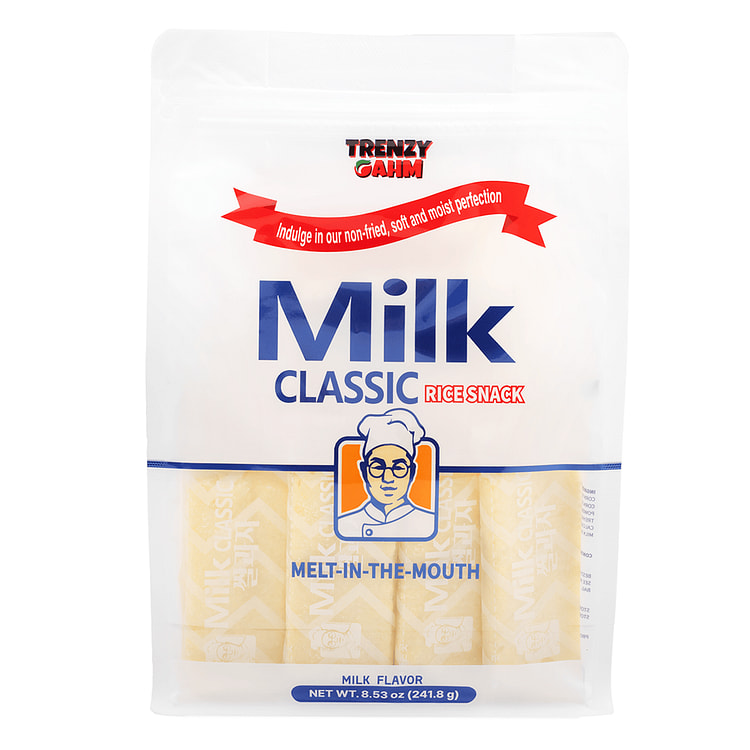 $5.49 - $7.29Milk Classic Rice Snack 24 pcs 240 g 900+ Sold weeklySNAP
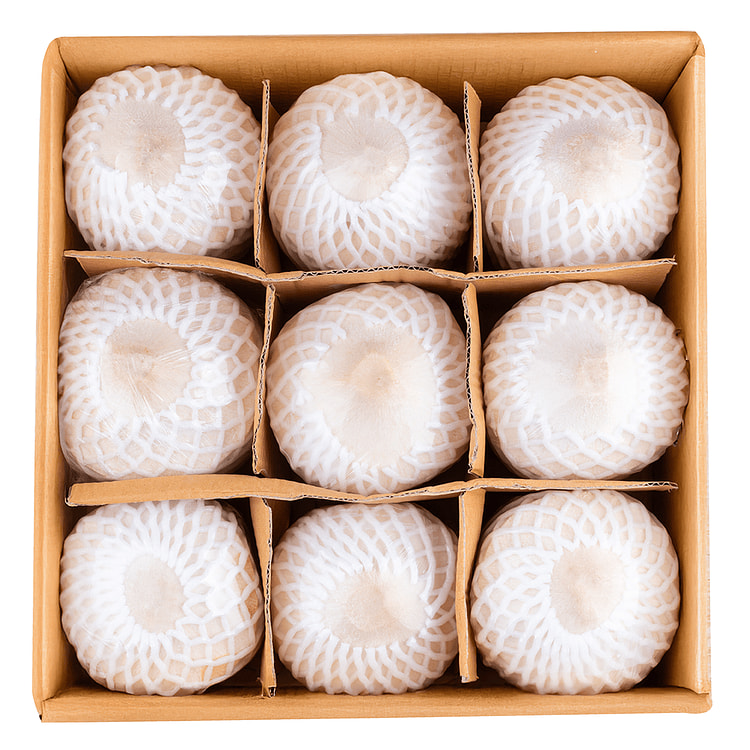 17% off$13.99 - $16.99Thai Young Coconut 9ct 1 case 1K+ Sold weeklySNAP
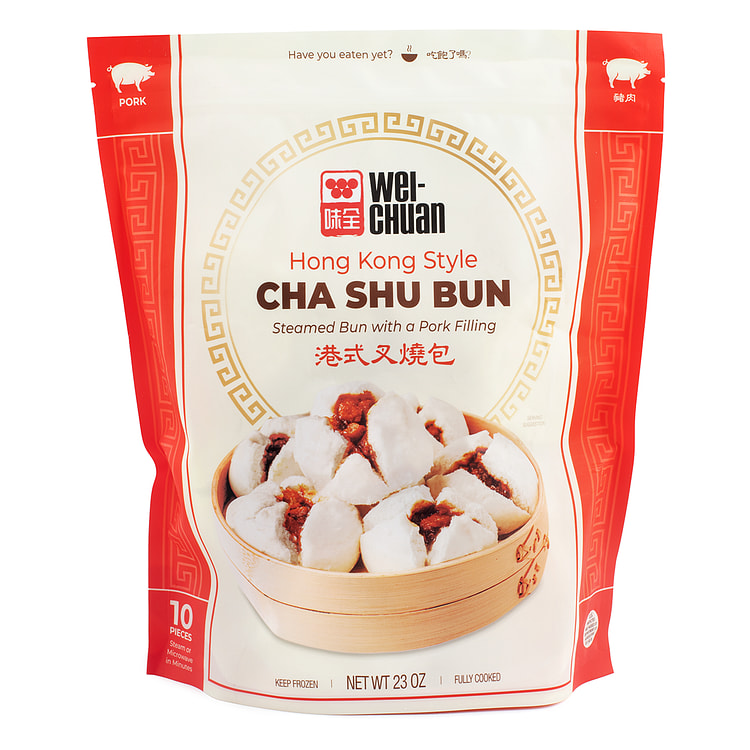 $6.99 - $10.99Wei-Chuan Cha Shu Pork Filling Bun 10pcs, Frozen 1K+ Sold weeklySNAP
 $7.99 - $12.49Three Ladies Brand Jasmine Rice Red & Brown Blend 700+ Sold weeklySNAP
 $20.99 - $26.29Kadoya Pure Sesame Oil 1656 ml 200+ Sold weeklySNAP
 25% off$0.59 - $0.79Cilantro 1 bunch 1K+ Sold weeklySNAP
 $6.09 - $7.79Deep Shah Jeera (Black Cumin Seeds) 7 ozSNAP
 $4.69 - $6.49Hunsty Sichuan Peppercorn 3.52 oz 900+ Sold weeklySNAP
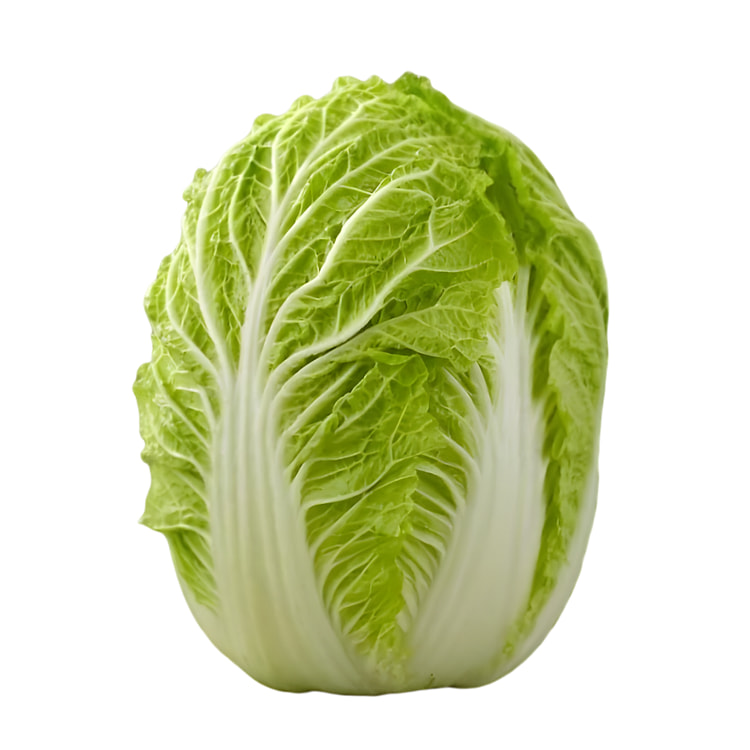 23% off$3.29 - $4.29Napa Cabbage 1 count 1K+ Sold weeklySNAP
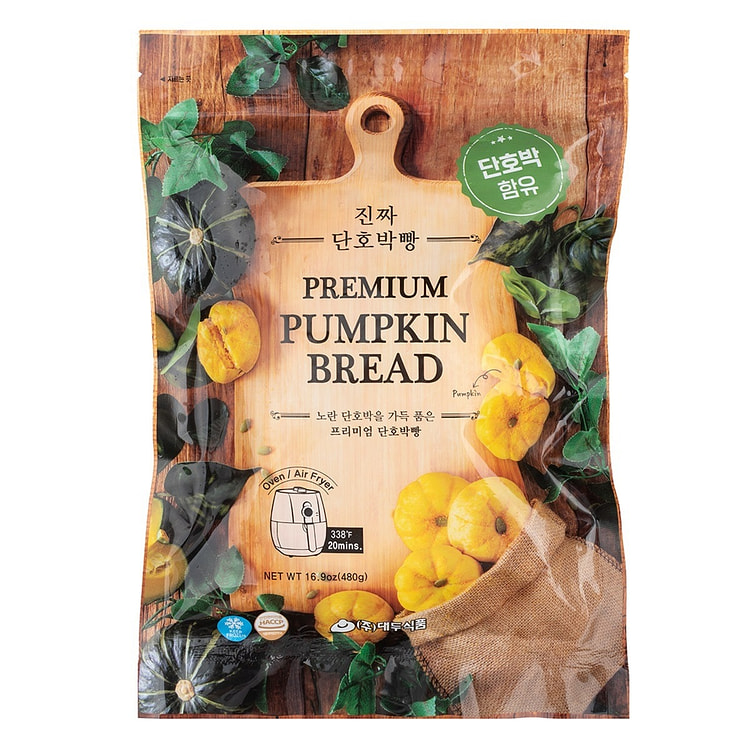 $8.99 - $11.99DAEDOO Real Pumpkin Bread 480 g 100+ Sold weeklySNAP
 $3.29 - $4.49Laoganma Spicy Crispy Chili Oil 210 g 1K+ Sold weeklySNAP
 18% off$3.49 - $4.29Kabocha approximately 2-2.3lb 1 count 1K+ Sold weeklySNAP
 $15.29 - $21.29Nishiki Premium Medium Grain Rice 15 lbEVERYDAY VALUESNAP
 $4.99Matcha Swiss Cake Roll (S)
 30% off$2.99 - $4.29Shanghai Bok Choy 2 lb 1K+ Sold weeklySNAP
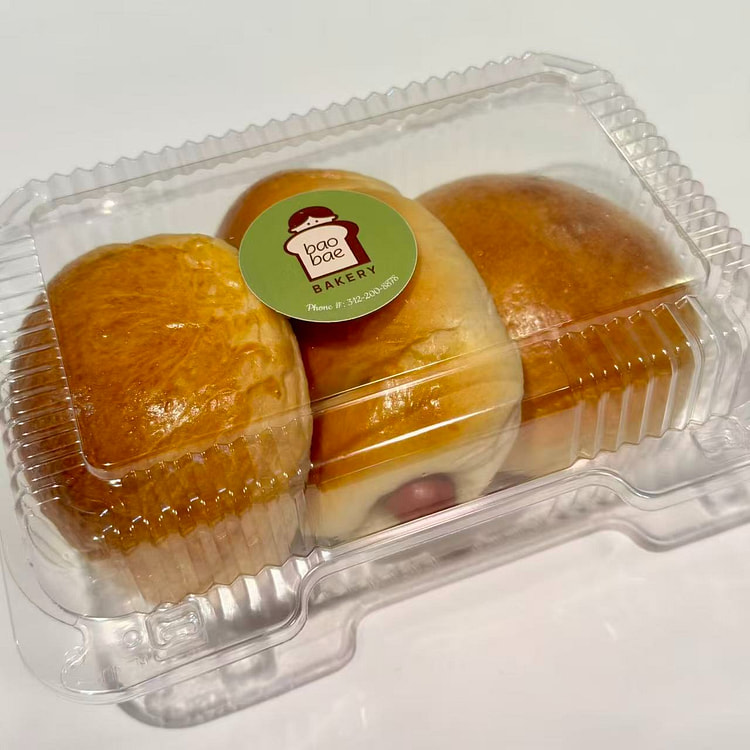 $6.99Hongkong Style Breakfast Bread Mixed Combo 3pcs 1 count
 20% off$7.99 - $9.99Daedo Real Potato Bread 480 g 1K+ Sold weeklySNAP
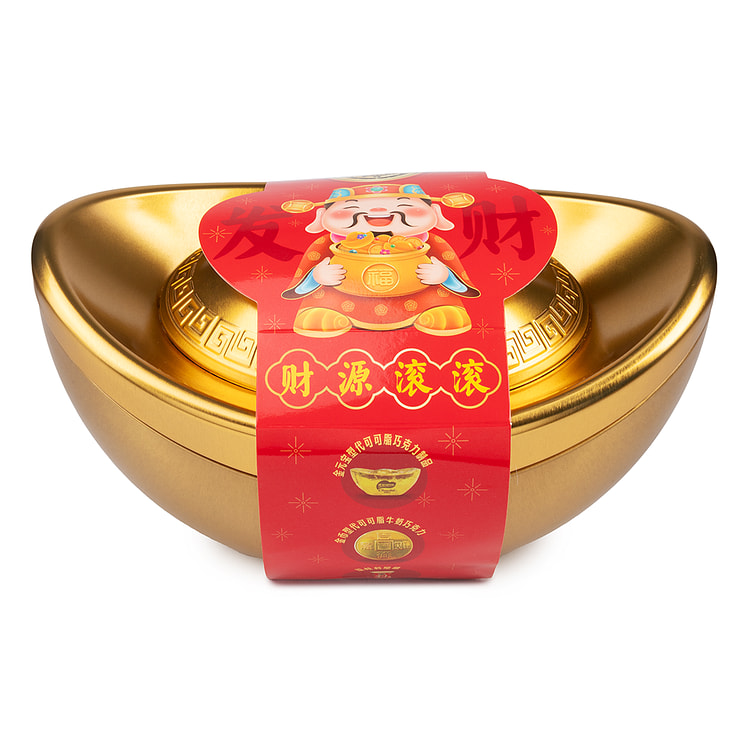 28% off$7.88 - $10.99XFJ Chocolate Flavor Confectionery 200 gHot dealsSNAP
 $8.99 - $15.49Bibigo Sliced Kimchi 907 g 1K+ Sold weeklySNAP
 $5.88 - $7.49Meet Fresh Signature Grass Jelly Soup with Starch Balls Frozen 500 gEVERYDAY VALUESNAP
 27% off$3.98 - $5.49LQQM Puff Paratha Chive Onion Flatbread 10pc, FrozenHot dealsEVERYDAY VALUESNAP
 34% off$2.49 - $3.79Gai Lan Mieu 1 lb 1K+ Sold weeklySNAP
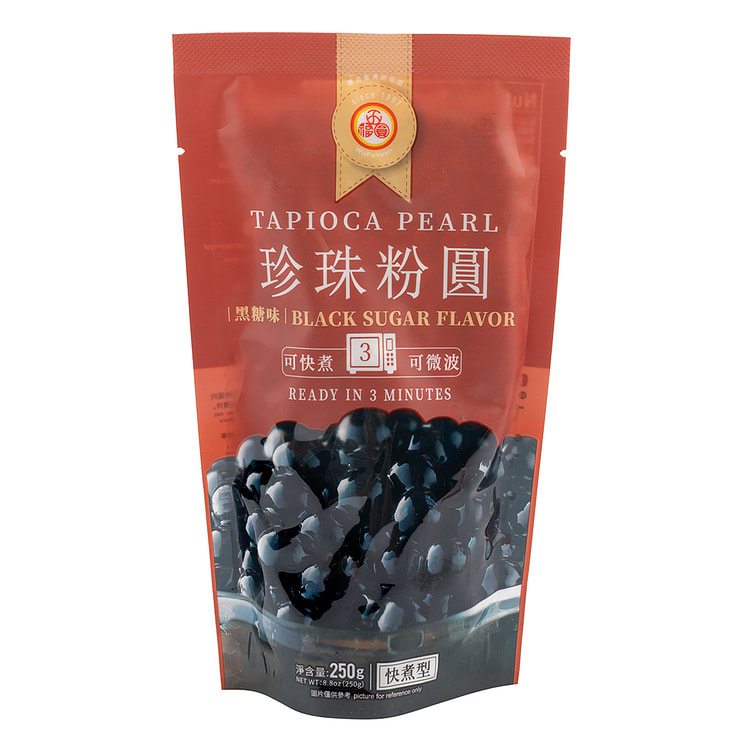 $2.69 - $3.79WuFuYan Tapioca Pearls, Black Sugar Flavor 250 g 1K+ Sold weeklySNAP
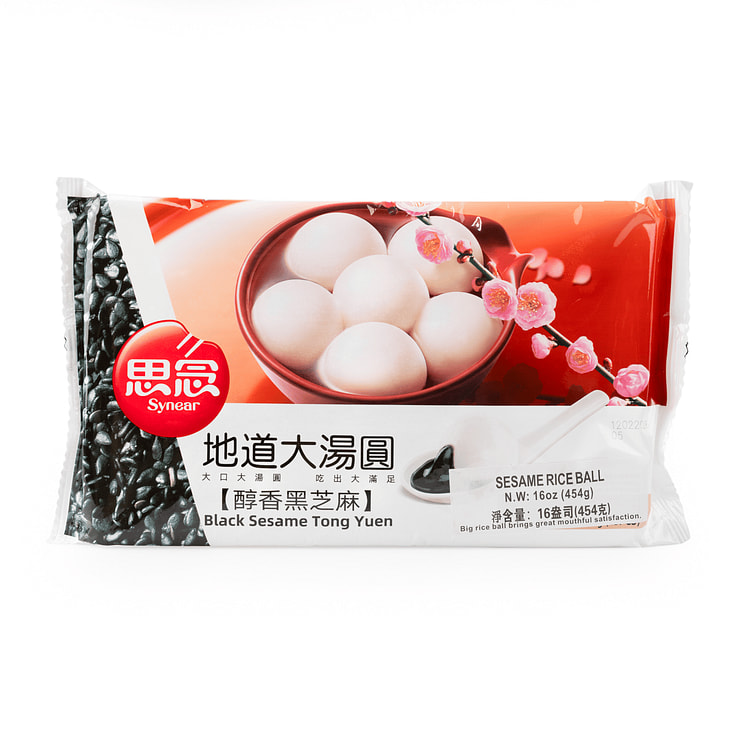 $4.89 - $6.79Synear Black Sesame Glutinous Rice Ball, Frozen 1K+ Sold weeklySNAP
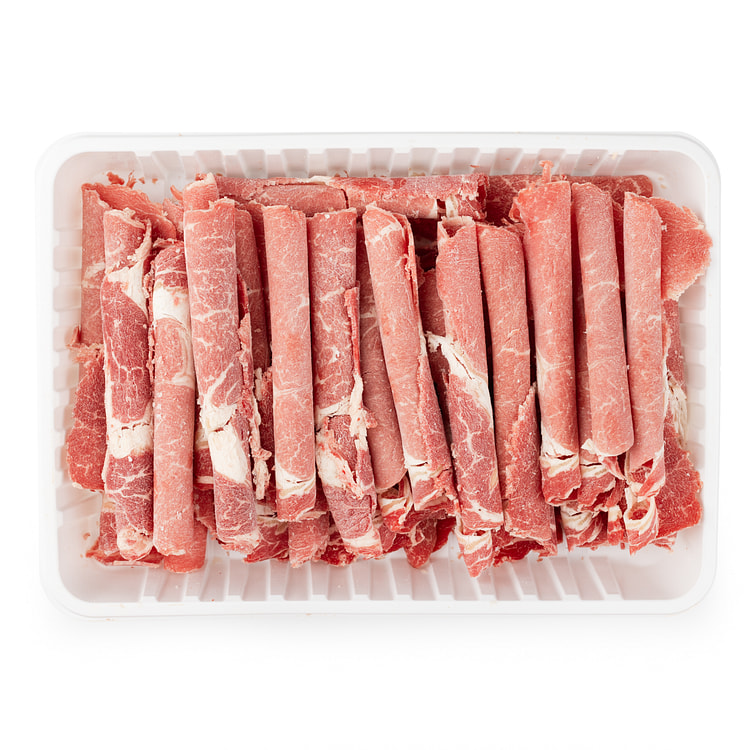 18% off$12.99 - $15.99Beef Ribeye Sliced Roll, Frozen 1 lb 1K+ Sold weeklySNAP
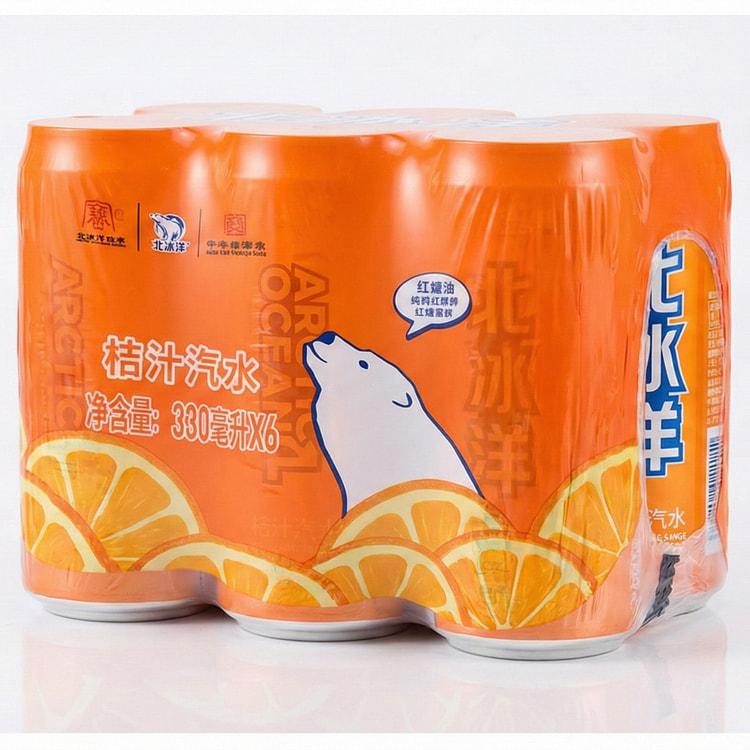 $7.19 - $8.79Arctic Ocean Mandarin Flavored Soda 330 ml*6 cans 500+ Sold weeklySNAP
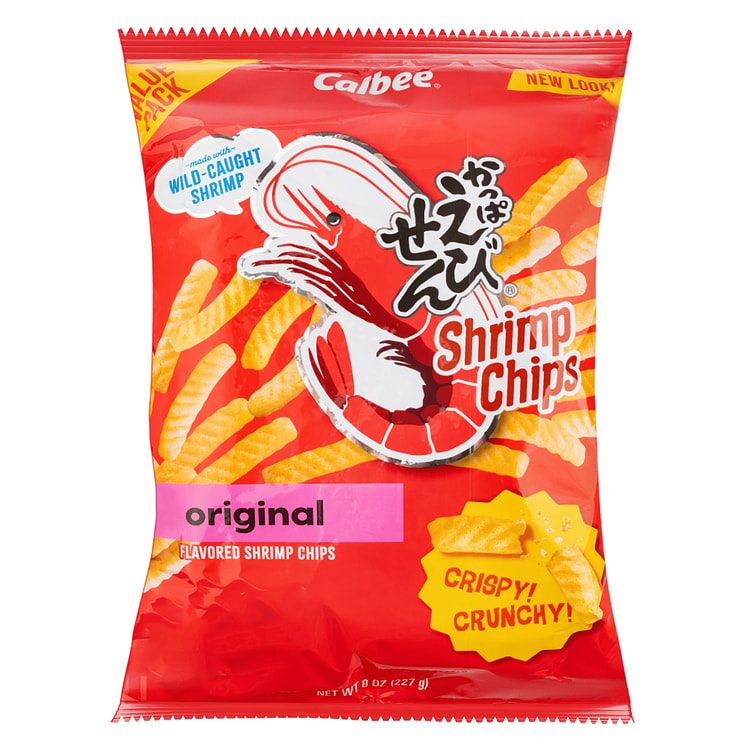 $1.89 - $6.49Calbee Shrimp Chips Value Pack 226 g 400+ Sold weeklySNAP
 $3.09 - $4.49Indomie Mi Goreng Fried Instant Noodles 85g*5 425 g 1K+ Sold weeklySNAP
 $2.99 - $3.79Yon Ho Soy Milk Powder Classic Original Flavor 1.02 oz*12 packEVERYDAY VALUESNAP
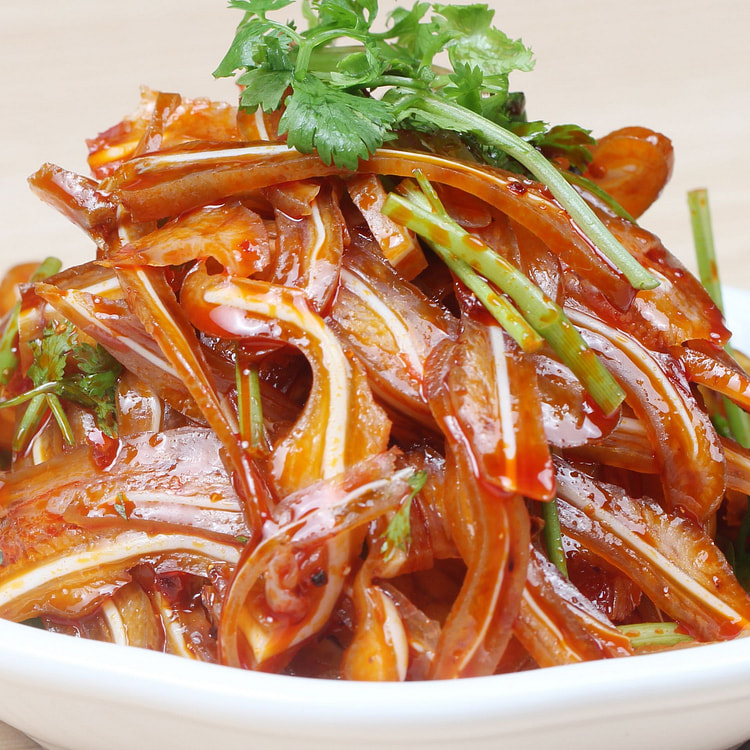 $7.98Chili oil Chaoshan Marinated Pork Ear about 0.5LB 200+ Sold weekly
 29% off$2.69 - $3.79Ginger 0.95-1.05 lb 1K+ Sold weeklySNAP
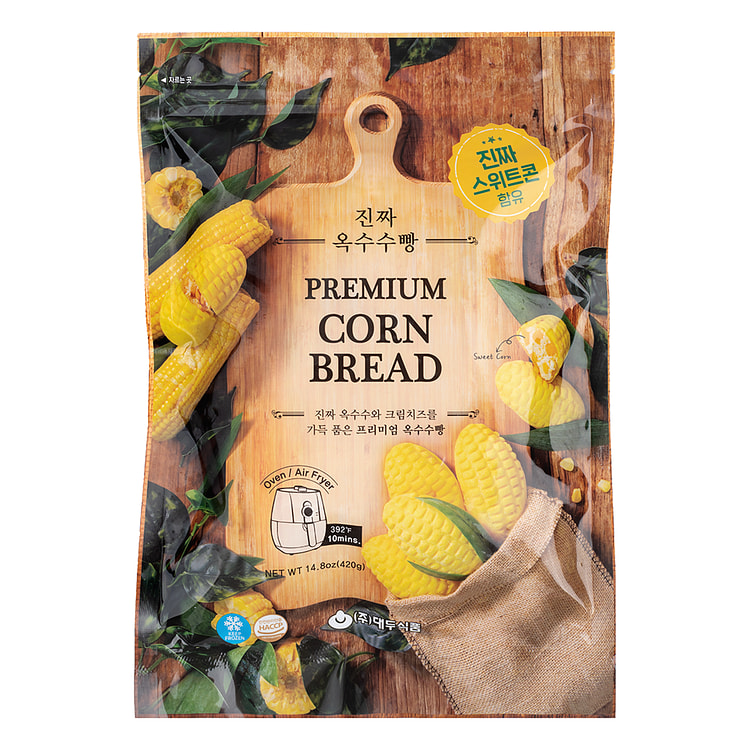 20% off$7.99 - $9.99DAEDOO Real Corn Bread 420 g 500+ Sold weeklySNAP
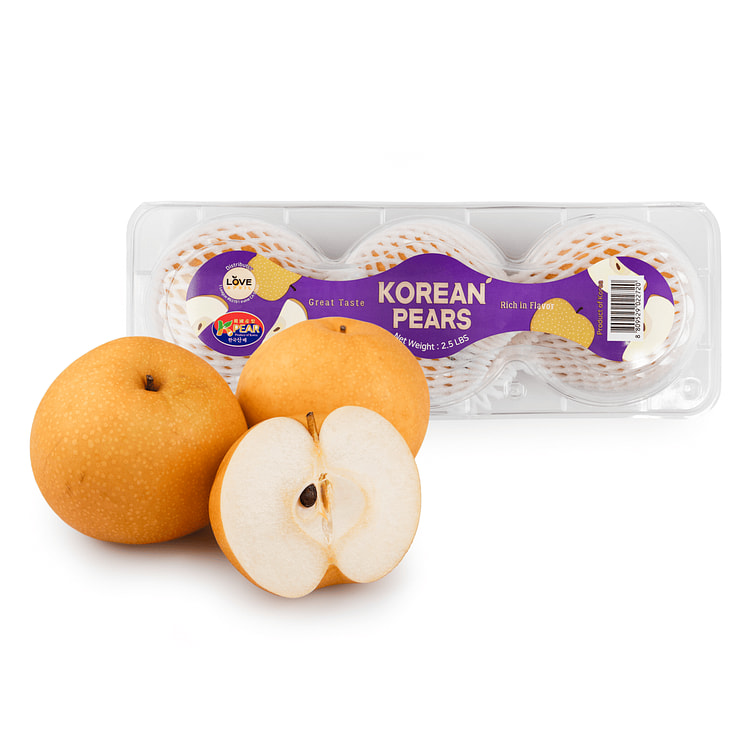 27% off$6.88 - $9.49Korean Singo Pears 3 count 2.5-3 lbHot dealsSNAP
 $2.39Golden Bun
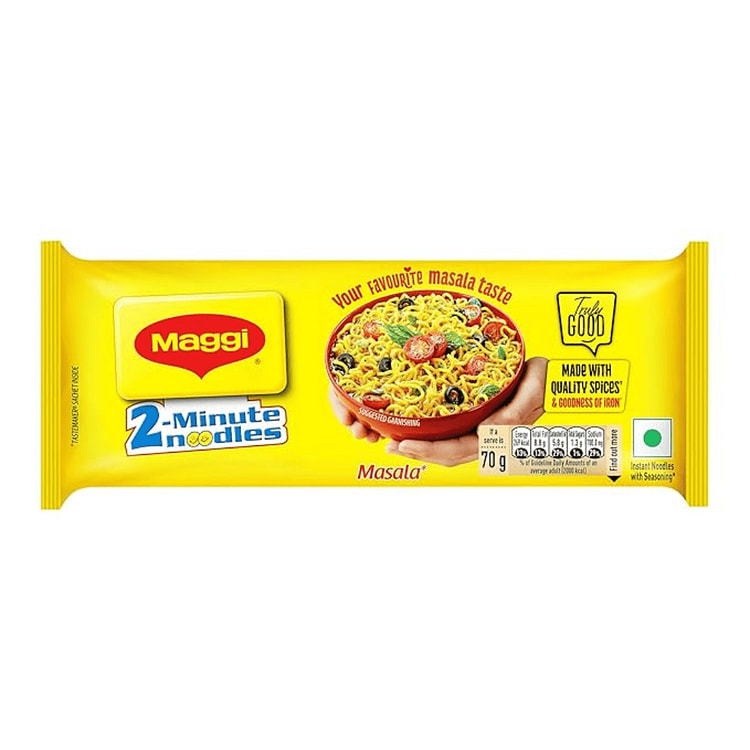 $2.69 - $3.79Maggi Masala Instant Noodles 9.8 oz 1K+ Sold weeklySNAP
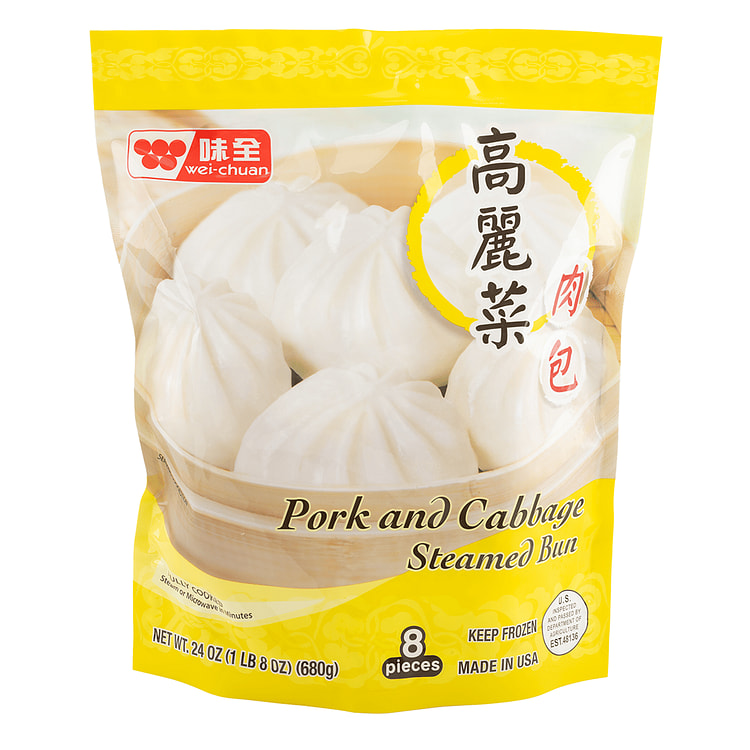 $7.99 - $11.99Wei-Chuan Cabbage and Pork Bun Steamed Bun 8ct, Frozen 1K+ Sold weeklySNAP
 13% off$12.09 - $13.99Nin Jiom Pei Pa Koa Herbal Honey Loquat Syrup 10 oz
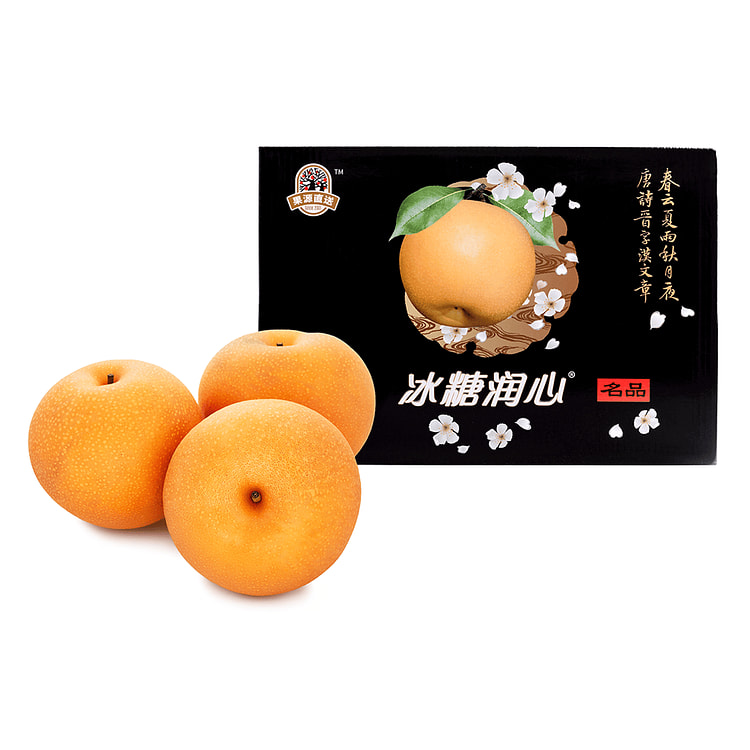 21% off$22.88 - $28.99Premium Large Size Qiuyue Pear Box 8 lbHot dealsSNAP
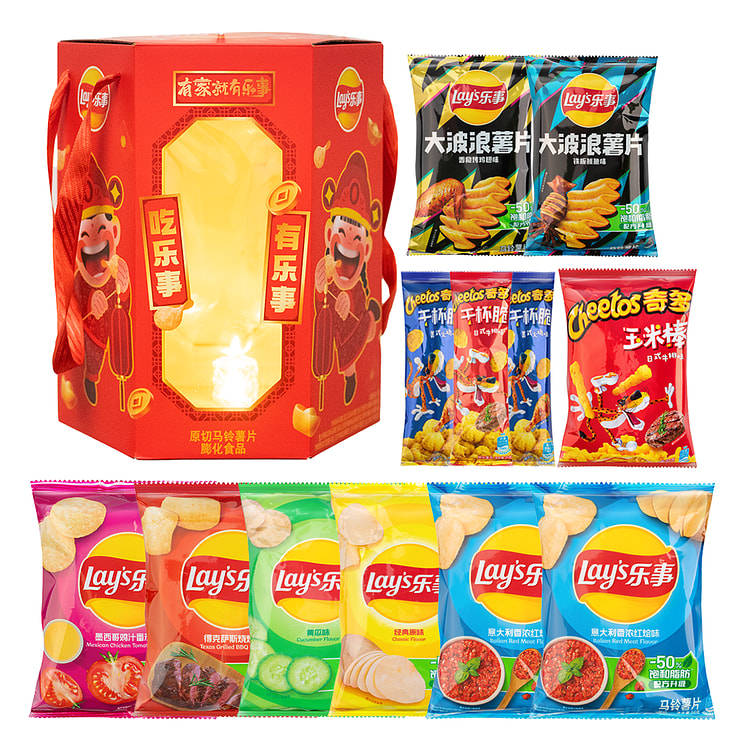 25% off$14.99 - $19.99Lay's Variety Snack Box 478 g 400+ Sold weeklySNAP
 $5.39 - $7.79Bulldog Worcestershire Sauce 500 ml 100+ Sold weeklySNAP
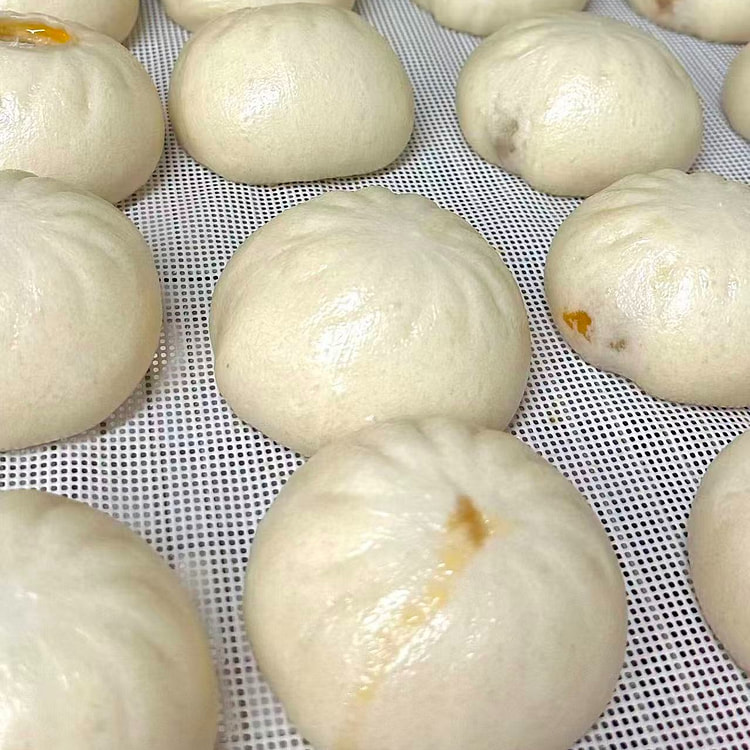 40% off$8.28 - $13.99Fresh pork Sour dough Bao 6 pack 390g 1 box 200+ Sold weekly
 $3.79 - $5.79Fresh Way Brined Lava Tofu Frozen 1K+ Sold weeklySNAP
 $9.49 - $9.99GS25 OMORI Kimchi Stew Ramen 5.64 oz*4 packSNAP
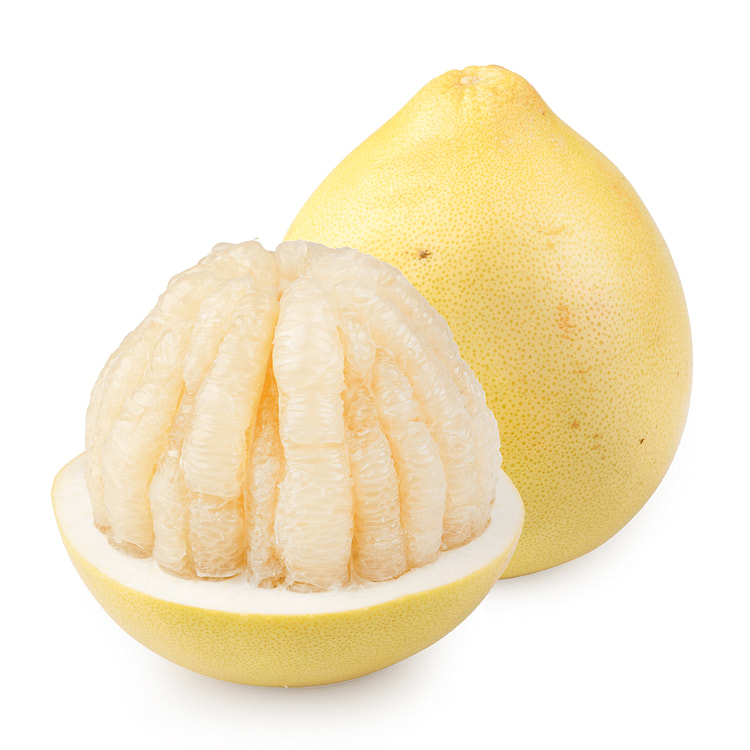 34% off$3.49 - $5.29Lao Shu Honey Pomelo 1 count 1K+ Sold weeklySNAP
 $1.99 - $5.79Jufran Banana Sauce Regular 19.76 oz 500+ Sold weeklySNAP
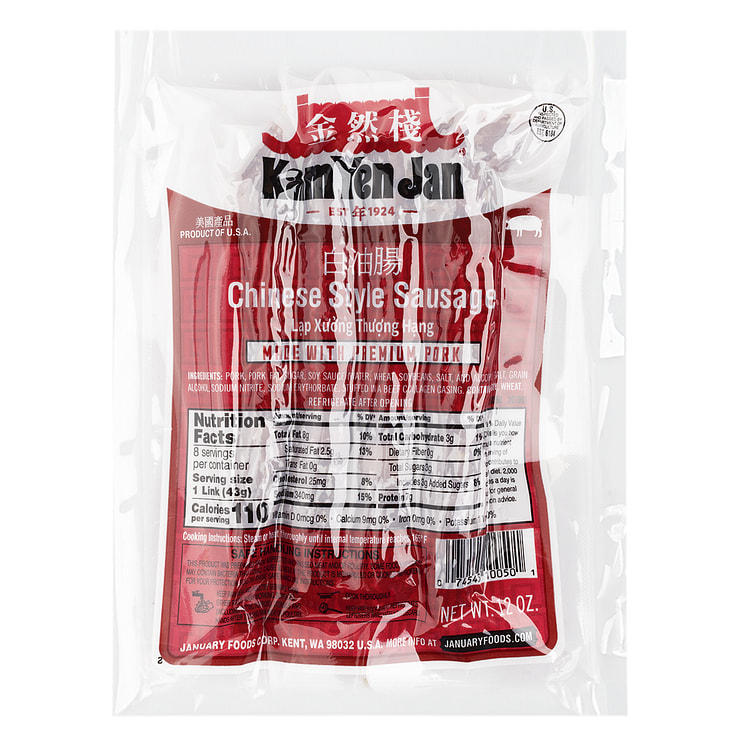 32% off$5.28 - $7.79KamYenJan Chinese Sausages 12 ozHot dealsSNAP
 $5.39 - $7.79Shirakiku Sanukiya Udon, Frozen 1K+ Sold weeklySNAP
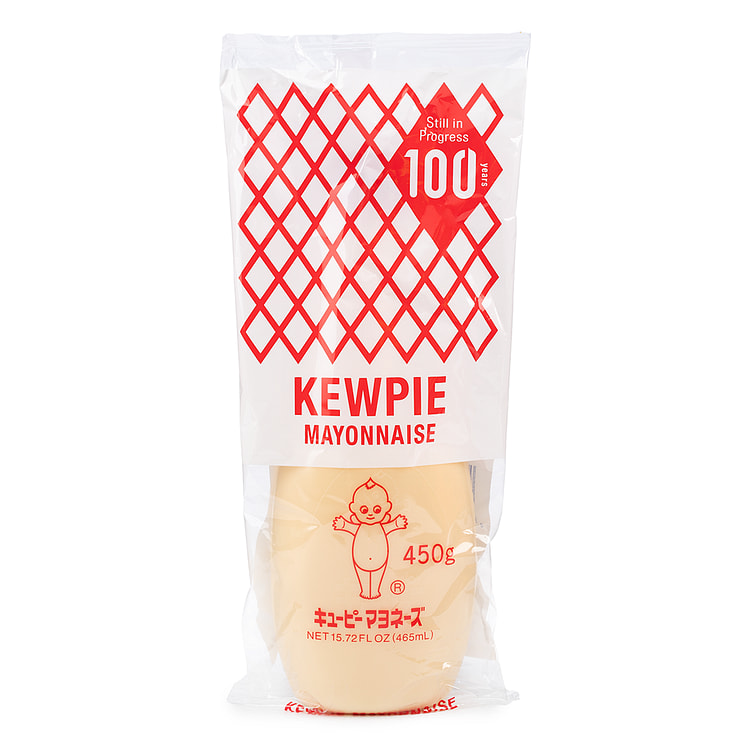 $4.89 - $7.49Kewpie Mayonnaise Tube 450 g 1K+ Sold weeklySNAP
 $6.29 - $9.29Sempio Korean Soy Sauce, Rich and Delicate 400+ Sold weeklySNAP
 $23.99 - $28.49Shinmei Imported Japanese Koshihikari Rice 11 lbEVERYDAY VALUESNAP
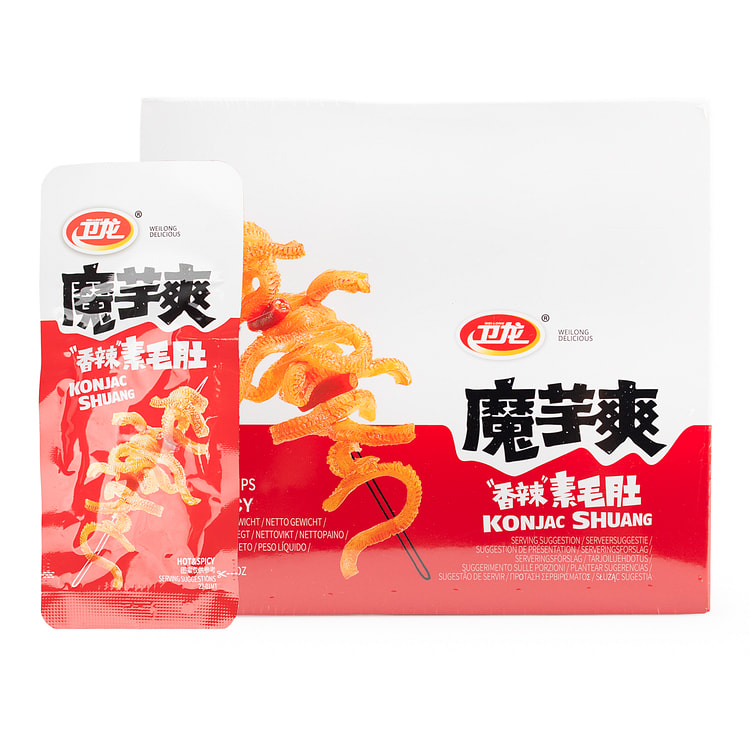 $5.19 - $6.99Weilong Hot and Spicy Konjac Snack 1K+ Sold weeklySNAP
 $1.79 - $3.29Deep Jeera Khakhara 7 oz (min 2) 100+ Sold weeklySNAP
 $6.99 - $7.79Pork Belly Skin On, Boneless,Frozen 1.5 lb 800+ Sold weeklySNAP
 9% off$19.99 - $21.99MTT Brand Whole Chicken Confucius Style Pack of 2, Frozen (Unprocessed Chicken) 6.9-9.5 lb 1K+ Sold weeklySNAP
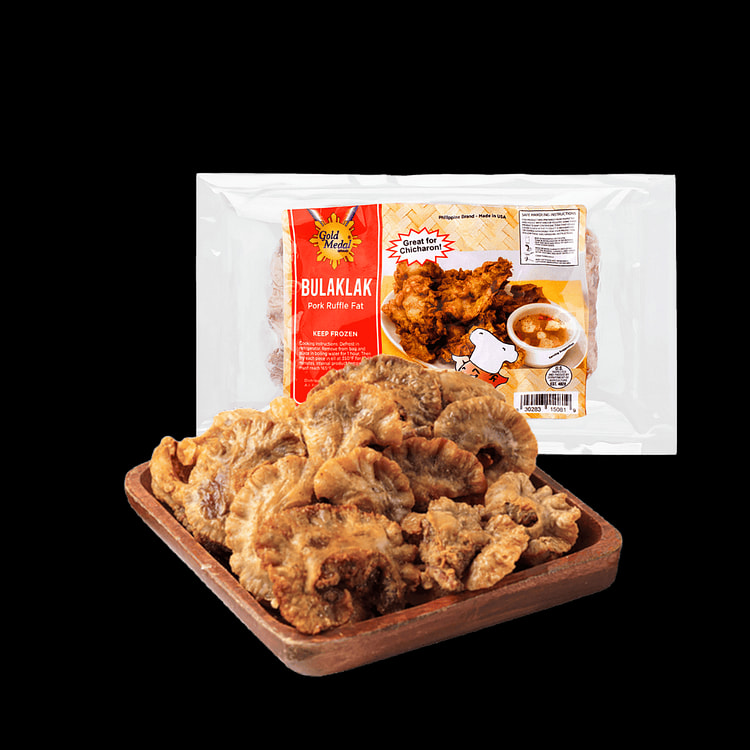 $6.99 - $11.99Gold Medal Chicharon Bulaklak, Pork Ruffle Fat, Frozen 32 oz 500+ Sold weeklySNAP
 $4.99 - $9.29HRJ Spicy Hot Pot Soup Base 100+ Sold weeklySNAP
 5% off$5.39 - $5.69Deep Raw Paneer 340 g 1K+ Sold weeklySNAP
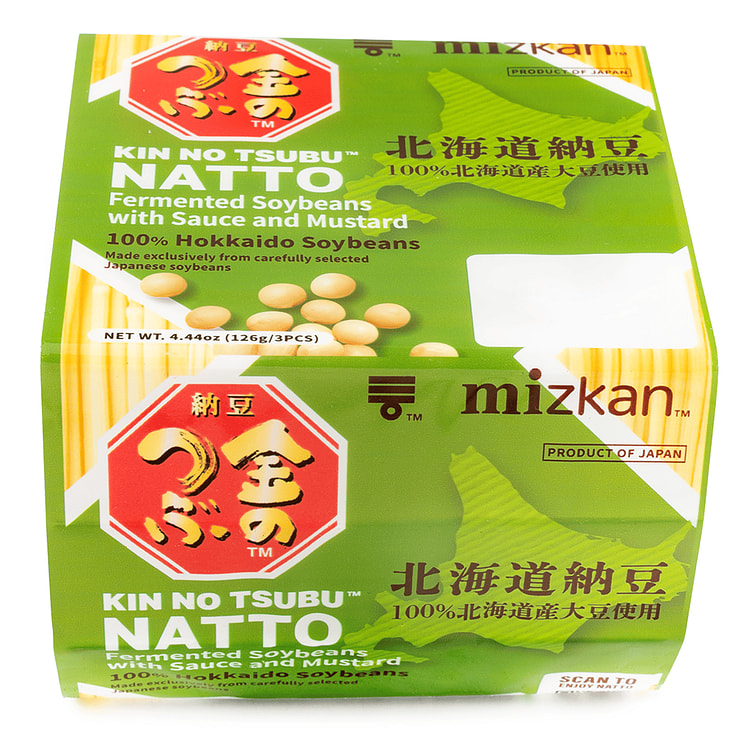 $1.59 - $2.99Mizkan Kume Hokkaido Natto 3pk 4.44 oz 1K+ Sold weeklySNAP
 $12.59 - $19.49Rhee Chun New Variety Extra Fancy Rice 15 lb 1K+ Sold weeklySNAP
 $18.99 - $21.29CHEF SHUO Braised Pork Chitterling(FRZ) 14.01 ozSNAP
 $8.29 - $9.99Butterfly Santol 850 g 700+ Sold weeklySNAP
 $9.89 - $14.99Dongwon Light Standard Canned Tuna in Oil 150 g*4 cans 1K+ Sold weeklySNAP
 $5.99 - $8.29Morinaga Pancake Mix 700+ Sold weeklySNAP
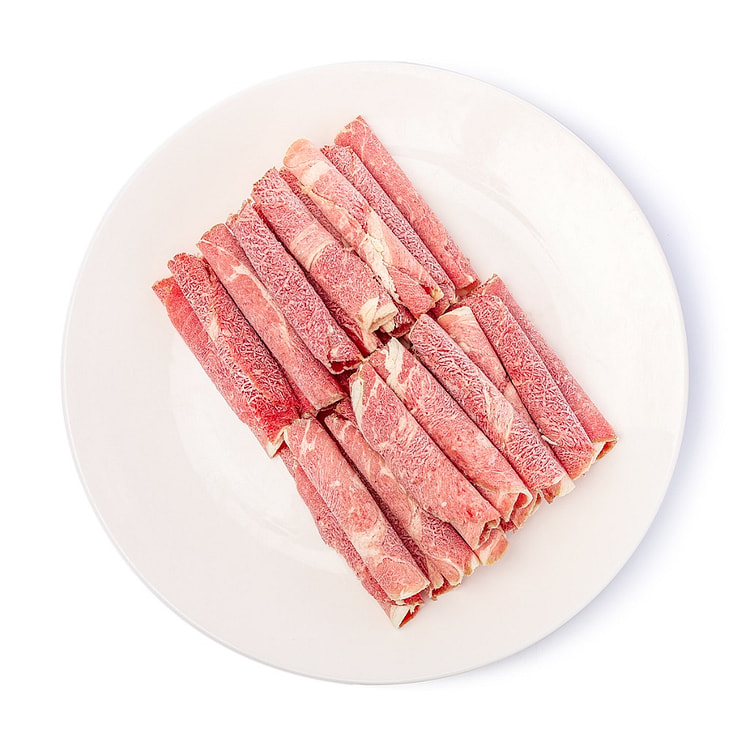 7% off$11.99 - $12.99Beef Brisket Sliced Roll 1 lb 1K+ Sold weeklySNAP














 Customer since 2018
 Phoenix, AZCustomer since 2020Connecticut, CTCustomer since 2023Washington DCCustomer since 2020Los Angeles, CA
Frequently asked questions
What is Makgeolli?
Makgeolli is a traditional Korean rice wine, made from fermented rice and water. It has a milky, creamy texture and a slightly sweet, tangy finish.
How is Makgeolli typically served?
Makgeolli is typically served chilled in a bowl, and it's usually consumed straight from the bowl itself.
Can I use Makgeolli in cooking?
Yes. Makgeolli can be used in various recipes like savory pancakes, soups or marinades for an added depth of flavor.
Is Makgeolli gluten-free?
Since Makgeolli is made from rice, it is naturally gluten-free.
Is Makgeolli vegan-friendly?
Yes, typically Makgeolli is vegan-friendly as it is made from rice and water.
How is Makgeolli made?
Makgeolli is traditionally made by fermenting a mixture of boiled rice, water, and a Korean fermentation starter called nuruk.
What does Makgeolli taste like?
Makgeolli has a unique taste that blends sweetness, tanginess, and bitterness with a creamy mouthfeel and powerful fizzy sensation.
What is the traditional way of consuming Makgeolli?
Makgeolli is traditionally consumed from bowls, often communally, and is usually shaken or stirred before serving.
What is the alcohol content in Makgeolli?
Makgeolli generally has an alcohol content of between 6 and 8%.
Does Makgeolli have any health benefits?
Makgeolli is known for its probiotics, which can aid digestion. It also contains dietary fibers, proteins, and vitamins.
What is the shelf life of Makgeolli?
Unopened makgeolli can last up to a year, but once opened it is best consumed within a week and should be kept refrigerated.
What dishes pair well with Makgeolli?
Makgeolli pairs well with spicy Korean dishes, such as Kimchi, or savory pancakes known as Pajeon.
Is Makgeolli the same as Sake?
No, while both are rice wines, Sake is Japanese and typically has a higher alcohol content. Makgeolli is Korean and has a milky texture.
Can I make my own Makgeolli at home?
Yes, it is possible to brew your own Makgeolli at home, though it can be a complex process.
Does Makgeolli contain added sugar?
While some versions of Makgeolli may have added sugar, traditionally it gets its sweetness from the natural sugars in the rice during fermentation.
Where can I buy Makgeolli?
You can buy it at Weee! Asian Market, www.sayweee.com.

Asian Groceries
Get the App


Trending Topics
- Lunar New Year 2026
- KEWPIE Japanese Egg Yolks Mayonnaise
- Propitious Mango Ice Cream Viral Tiktok
- Kimchi
- Paneer
- Basmati rice
- Jasmine rice
- Bok choy
- Baby bok choy
- Gochujang
- Miso paste
- Matcha powder
- Fish sauce
- Oyster sauce
- Hoisin sauce
- Red curry paste
- Green curry paste
- Yellow curry paste
- Massaman curry paste
- Garam masala
- Sesame oil
- Curry leaves
- Ghee
- Tamarind paste
- Shaoxing wine
- Mirin
- Dark soy sauce
- Soy sauce
- Rice vinegar
- Jackfruit
- Nori seaweed
- Udon noodles
- Soba noodles
- Rice vermicelli
- Spring roll wrappers
- Rice paper
- Silken tofu
- Tofu
- Tofu (all varieties)
- Saffron
- Panko breadcrumbs
- Bitter melon
- Lychee
- Durian
- Lemongrass
- Kaffir lime leaves
- Galangal
- Gochugaru
- Chili crisp
- Chili oil
- Thai basil
- Holy basil
- Mochi
- Sambal oelek
- Ponzu sauce
- Kecap manis
- Agar agar
- Doenjang
- Shrimp paste
- Tamari
- Black bean sauce
- Black vinegar
- Doubanjiang
- Dried shiitake mushrooms
- Enoki mushrooms
- King oyster mushroom
- Wood ear mushrooms
- Kombu
- Bonito flakes
- Pickled ginger
- Wasabi paste
- Chinese five spice
- Five-spice powder
- Shirataki noodles
- Thai bird chili
- Bamboo shoots
- Daikon radish
- Napa cabbage
- Taro root
- Fresh herbs
- Fresh mushrooms
- Dried mushrooms


© 2015 - 2026 Weee!, Inc.